When late blight conditions persist, shortening fungicide intervals and rotating modes of action remains the backbone of control — resistance management depends on it.
British researchers have started work on a four-year, £3.72 million project to prepare the country's farmers for two bacterial crop diseases that are already spreading through mainland Europe and attack potatoes, sugar beet, carrots and grapes. The…
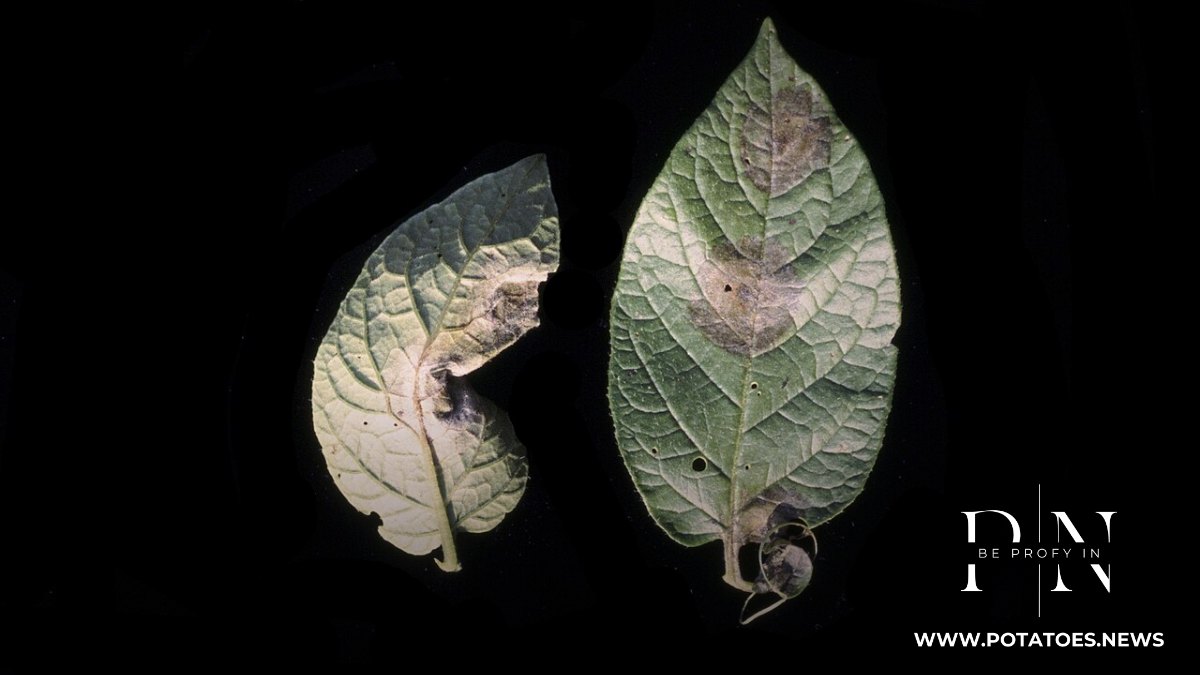
About 98% of Norway's commercial potato area is sprayed against late blight, up to 16 times a season, as resistance and the EU_41 strain spread, NIBIO says.
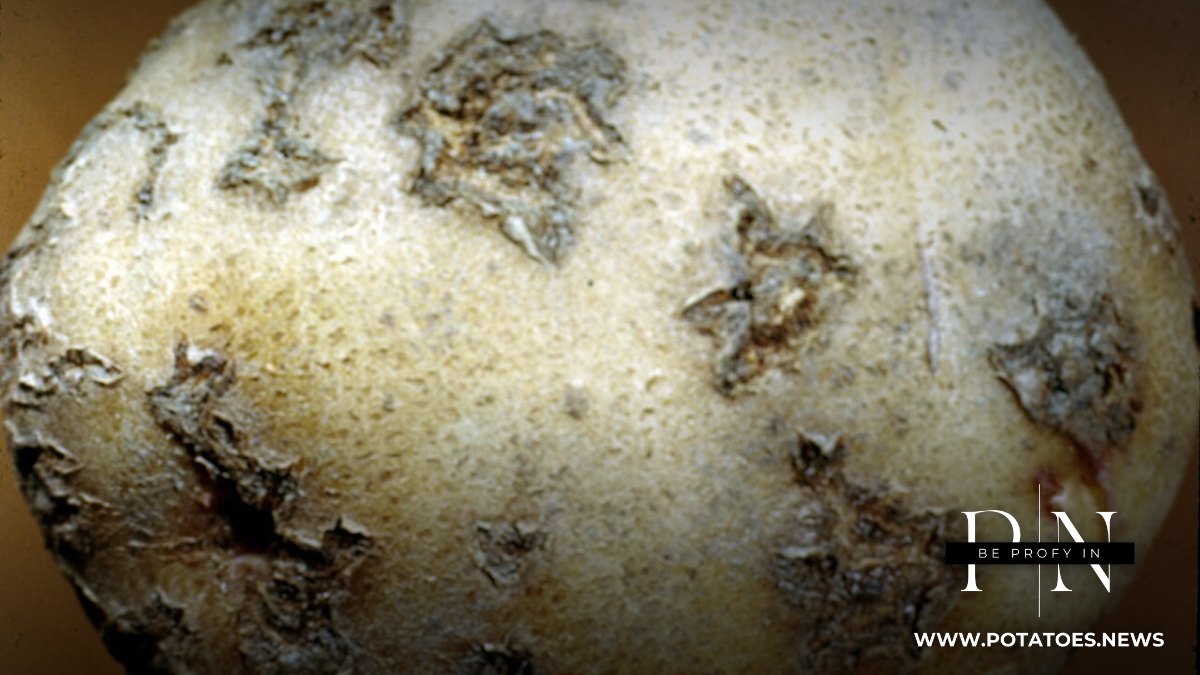
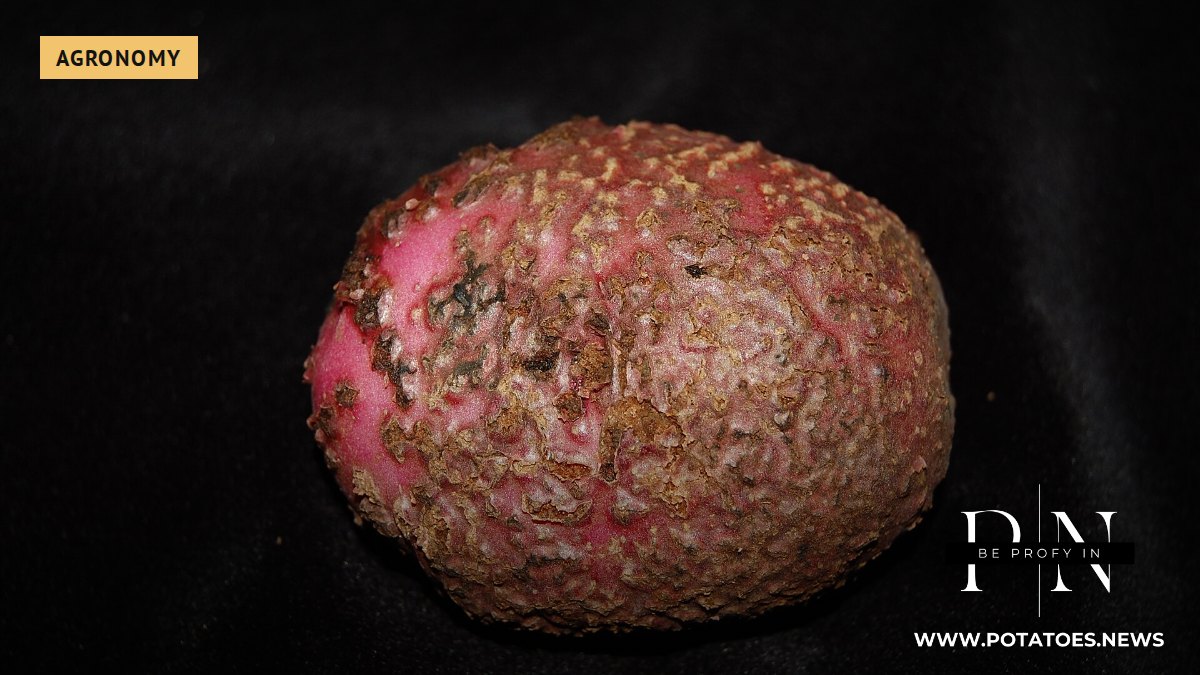
Keeping soil near field capacity for 2–6 weeks after tuber initiation suppresses common scab; manure and undecomposed organic matter can make it worse.
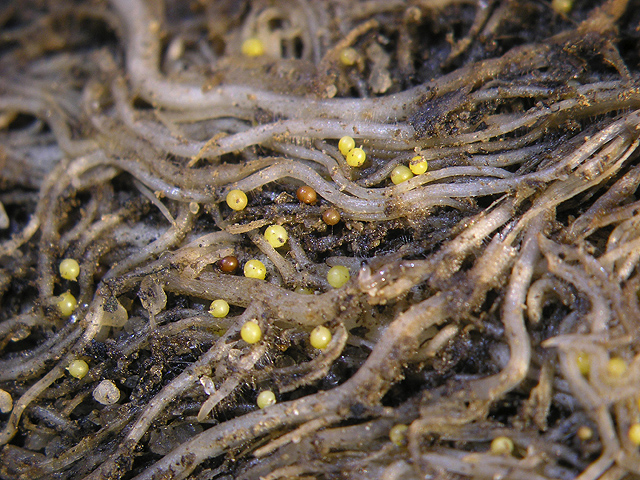
Rosselkhoznadzor abolished the quarantine phytosanitary zone in the Yelizovsky district on 2 October after six years of annual testing found no Globodera rostochiensis on the 80-hectare surveyed area.
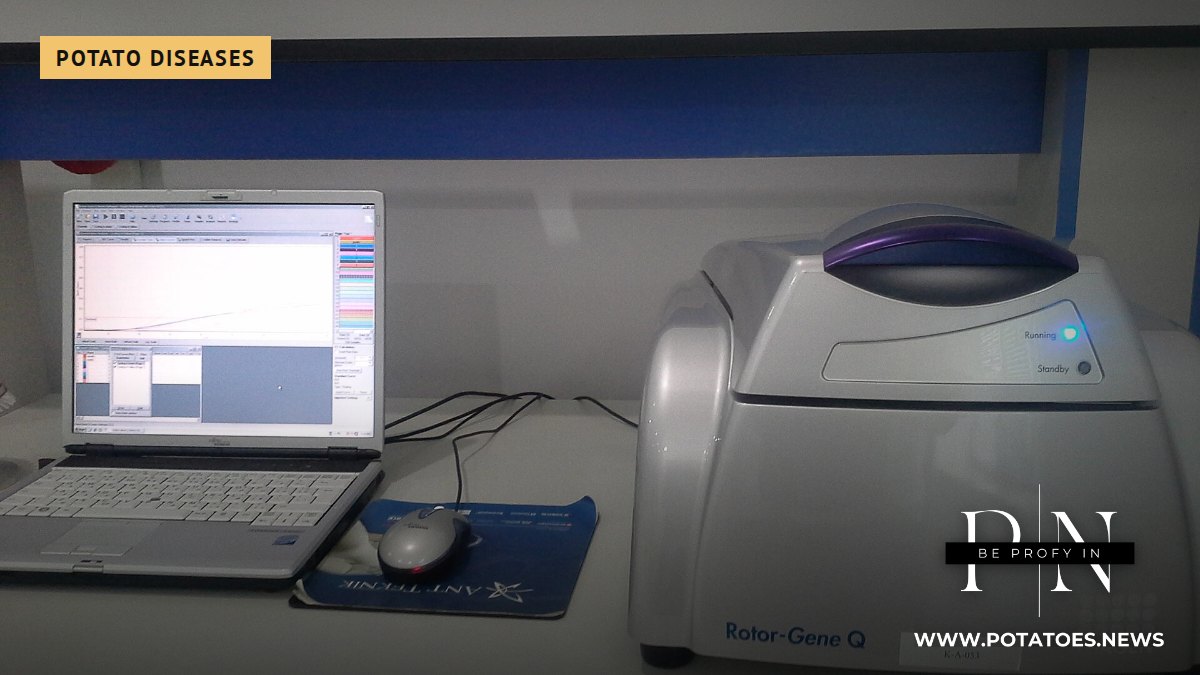
Switzerland tests dormant seed tubers for PVY by RT-qPCR, and Idaho is developing the same approach to replace its winter grow-out in Hawaii. Results come months sooner, but uneven virus in tubers limits agreement with older tests.
Greece's potato sector is at a critical juncture, with the deadly pathogen Synchytrium endobioticum—commonly known as potato chytrid—threatening the country's most prestigious Protected Geographical Indication (PGI) crop, the Kato Nevrokopi potato. The pathogen was first detected in…
An AHDB guide and Oregon State University Extension show that brassica cover crops can suppress potato cyst nematodes, but only with high biomass, flowering-stage chopping and fast incorporation.
AHDB, the University of Maine and the PNW handbook show why powdery scab and potato mop-top virus stay in soil for a decade or more, and why clean seed is the main defence.
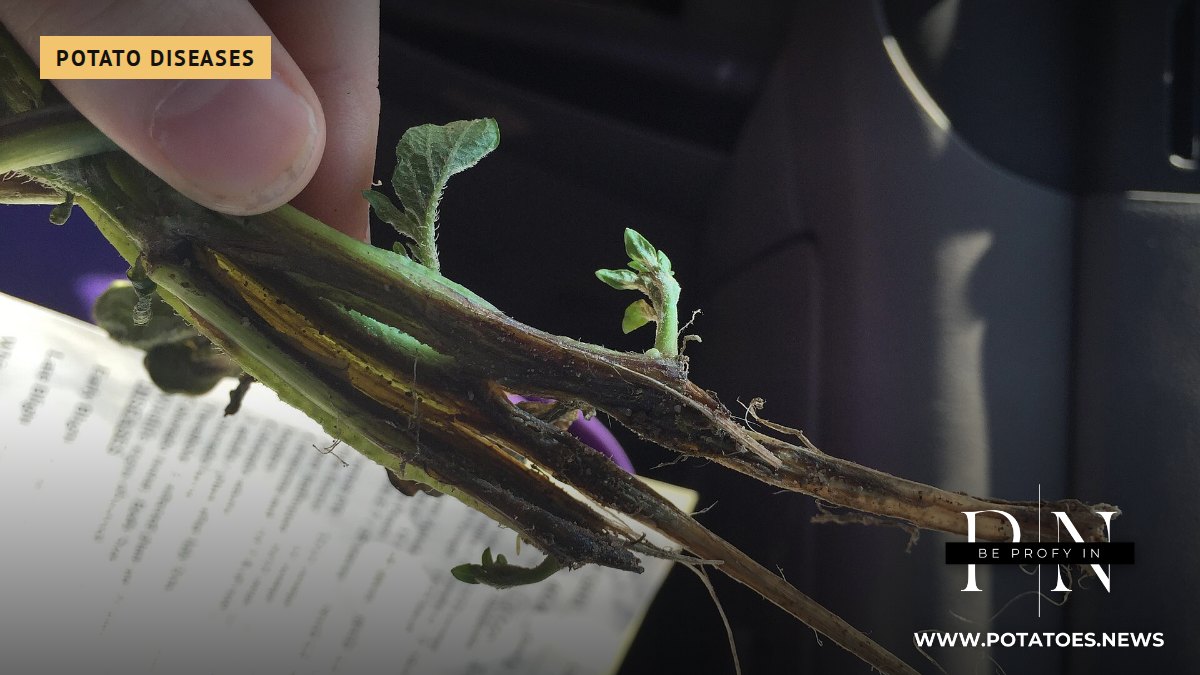
Extension services in the US and the UK show why hot summers favour Dickeya blackleg over Pectobacterium, and why seed testing with 400 or more tubers per lot is the main defence.