- Latest
- Trending


The 1840s Irish potato famine stands as a stark reminder of the devastating impact plant diseases can have on food security. The blight that ravaged Ireland’s potato crops, caused by...
Read moreDetails
Epitrix tuberis and E. cucumeris are major pests of potatoes in North America. E. tuberis causes the most serious damage because the larval feeding can cause superficial serpentine tunnelling on the surface of tubers as...
Read moreDetails
Haulm destruction in potatoes can be achieved by mechanical or chemical methods or using a combination of the two. Bed formation and machinery set-up If considering a combined mechanical and...
Read moreDetails
Potatoes (Solanum tuberosum L.) are an important global food since they are rich incarbohydrates and offer significant amounts of protein, vitamins, and dietary fiber . Although potatoes thrive best in temperate...
Read moreDetails
Potatoes are a cornerstone of Emilia-Romagna's agricultural economy, particularly notable for the production of the Protected Designation of Origin (PDO) Patata di Bologna. To support this essential sector, the regional...
Read moreDetails
The tuber flea beetle species Epitrix papa Orlova-Bienkowskaja (Coleoptera: Chrysomelidae: Alticinae) is a new exotic pest of potato in Europe, present in Portugal and Spain. In Portugal, E. papa was probably introduced around 2004...
Read moreDetails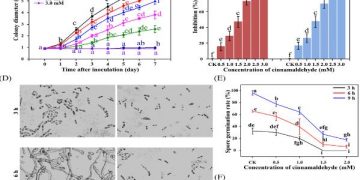
Potatoes, a major economic crop, are significantly impacted by Fusarium dry rot, a prevalent postharvest disease. Despite the broad-spectrum antimicrobial properties of cinnamaldehyde, a naturally-derived plant substance, its efficacy against the causal...
Read moreDetails
Black dot (Colletotrichum coccodes) has become an economically significant potato tuber disease due to its capacity to cause early foliage death. The disease named black dot relates to the numerous...
Read moreDetails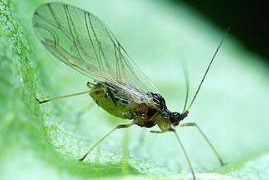
Deciphering the mechanisms underlying insecticide resistance is key to devising appropriate strategies against this economically important trait. Myzus persicae, the green peach-potato aphid, is a major pest that has evolved resistance...
Read moreDetails
The future of potato crop production is a hot topic at Potatoes in Practice (PiP), the UK’s largest field-based potato event on Thursday 8 August in Dundee. Hosted by the James...
Read moreDetails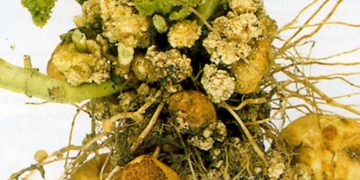
Synchytrium endobioticum is an A2 pest for many regions, and details of its biology, distribution and economic importance can be found in the EPPO Global Database. In the EPPO National Regulatory...
Read moreDetails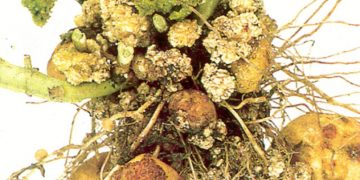
Synchytrium endobioticum causes potato wart disease. Synchytrium endobioticum is an obligate parasite which does not produce hyphae but sporangia, which contain motile zoospores. Summer sporangia are thin-walled and short-lived. They...
Read moreDetails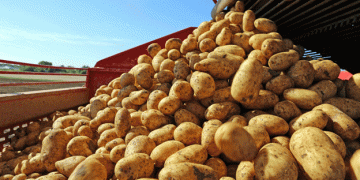
Global Potato Production: China Leads, U.S. Holds Fifth Place In the world of agriculture, potatoes are a staple crop, essential for food security and economic stability. The Food and Agriculture...
Read moreDetails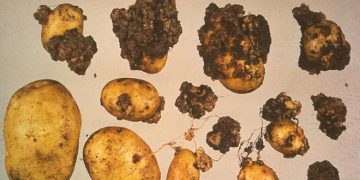
Potato wart disease is one of the most important quarantine diseases of potato in the world. The disease is caused by Synchytrium endobioticum, which after infection causes tumour-like outgrowths near a meristematic...
Read moreDetails
Climate Challenges and Their Impact on Global Potato Production The potato market across the globe is experiencing significant fluctuations due to varying climatic conditions. Countries from Europe to South Africa...
Read moreDetails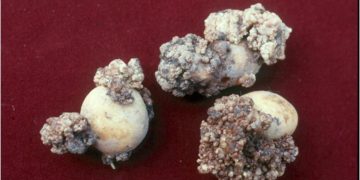
Synchytrium endobioticum is a quarantine potato disease in many countries. Potato is the only cultivated host, but wild Solanum spp. are also infected in Mexico. A number of solanaceous plants, including tomatoes,...
Read moreDetails
Alternaria spp. cause different diseases in potato and tomato crops. Early blight caused by Alternaria solani and brown spot caused by Alternaria alternata are most common, but the disease complex is far more diverse. Alternaria species...
Read moreDetails
The Rising Threat of Late Blight Late blight is the most serious disease affecting potatoes, capable of destroying entire crops within days. This fungus attacks both the foliage and tubers,...
Read moreDetails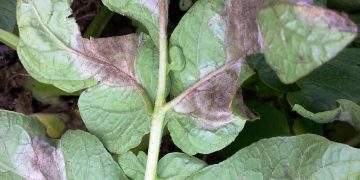
Late blight, caused by Phytophthora infestans, is the most devastating disease of potato worldwide that can cause up to 100% crop loss under disease conducive conditions. The present study was carried...
Read moreDetails
The threat of emerging plant diseases has become more frequent as global warming and international trade are increasing. Blackleg and soft rot of potatoes caused by the group of bacteria...
Read moreDetails
Plant-parasitic nematodes cause significant economic losses in crop production, with root-knot nematodes (RKN; Meloidogyne spp.)) and potato cyst nematodes (PCN; Globodera spp.) being the top two in terms of agronomic...
Read moreDetails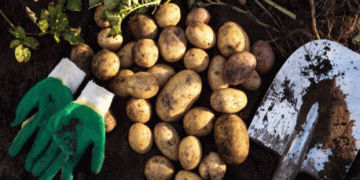
Weather Challenges and Crop Delays in Northwest Europe The fresh potato crop in northwest Europe, particularly in Belgium and the Netherlands, is facing significant delays due to persistent rainy weather...
Read moreDetails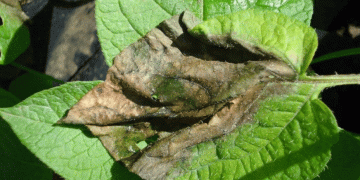
The Spread and Impact of Late Blight in Ontario Late blight, caused by the pathogen Phytophthora infestans, is a devastating disease affecting both potatoes and tomatoes. Recently, outbreaks have been...
Read moreDetails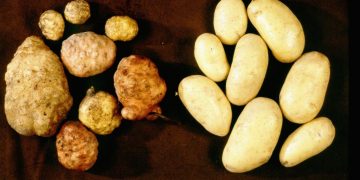
Meloidogyne chitwoodi and M. fallax belong to the root-knot nematodes, which is a polyphagous group of highly adapted obligate plant pathogens of about 100 species. Root-knot nematodes are distributed world-wide...
Read moreDetails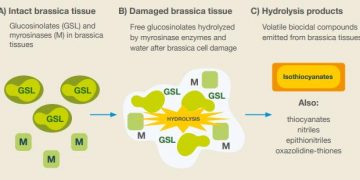
Biofumigation is the use of green manures crops which release biocidal molecules into the soil after their incorporation. This best practice was developed in several countries to cope with the...
Read moreDetails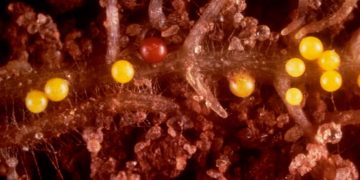
Globodera rostochiensis and Globodera pallida (potato cyst nematodes, PCNs) cause major losses in Solanumtuberosum . The main route of spread of these nematodes is movement of infested soil (e.g. on...
Read moreDetails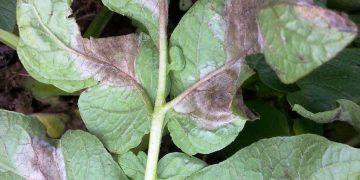
The pathogen can grow at a very rapid rate after infection and visible symptoms can appear in a matter of days. If infected tubers enter a store the disease can...
Read moreDetails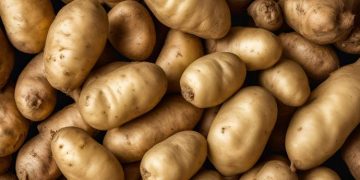
Controlling disease is a fundamental component of storage management. Few diseases originate in store. They mostly come from two primary sources: the seedor the soil. However, many of the disease...
Read moreDetails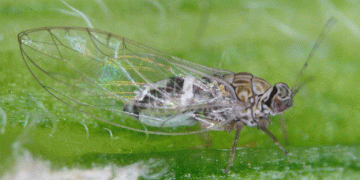
As the monitoring season for potato psyllids in Idaho begins, early data indicate a potentially higher risk of zebra chip disease (ZC) this year. Farmers and agricultural professionals must stay...
Read moreDetails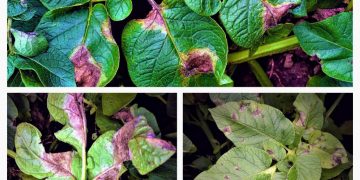
Late blight caused by Phytophthora infestans is the leading killer in potato production, which can cause the death of leaves and stems and tubers to rot, seriously threatening potato yield...
Read moreDetails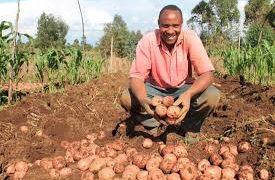
Kenyan Farmers Embrace Late Blight Resistant Potatoes for Sustainable Agriculture and Enhanced Food Security Farmers and stakeholders gathered at the Agricultural Training Center (ATC) in Soilo, Kenya, on July 3,...
Read moreDetails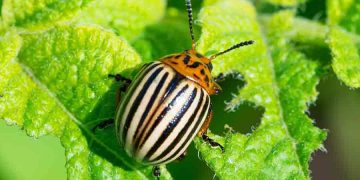
A genetically tailored pesticide has emerged as a game-changer in pest control, effectively eradicating the notorious Colorado potato beetle while sparing other insects, including its kin. The innovative RNA interference...
Read moreDetails
Plant pathogens (phytopathogens) of food crops are a major constraint on agricultural production worldwide. These phytopathogens are responsible for huge yield losses during pre-harvest, storage and the transportation of crops....
Read moreDetails
Black dot is a tuber blemish disease of potatoes, caused by Colletotrichum coccodes. Nowadays this is becoming severe constraint for potato production worldwide. Black dot takes its name from the...
Read moreDetails
Powdery scab (Spongospora subterranea) is a fungal blemish disease of potatoes (https://gd.eppo.int/taxon/SPONSU). The “powder” is comprised of spore balls (cystosori) that are released into the soil and can survive up...
Read moreDetails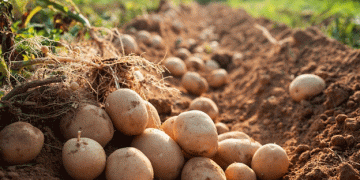
As the potato harvest season kicks off in northern Spain, the agricultural sector is facing a mix of promising market conditions and variable yields. Despite normal yields in the Duero...
Read moreDetails
There are some online databases on resistance cases across the world. The European and Mediterranean Plant Protection Organization (EPPO) also developed such a database. This includes information on approved cases...
Read moreDetails
Potato late blight is one of the most devastating diseases of potato. In conventional potato production, this mainly controls through a lot of applications of chemical fungicides. Overuse of such...
Read moreDetails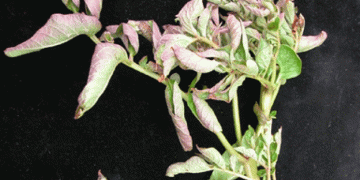
Coordinated Efforts to Safeguard Antioquia's Potato Crops In a proactive move to protect the potato crops of Antioquia, various government and agricultural organizations are joining forces to prevent the spread...
Read moreDetails
The main virus species in many potato growing regions is Potato Virus Y (PVY). Primary infection of PVY occurs in the growing season and is aphid-borne. The Peach-potato aphid, Myzus...
Read moreDetails
We at POTATOES NEWS are thrilled to announce the release of our revamped application, now faster and more user-friendly than ever before. Our commitment to delivering the best experience for...
Read moreDetails
The expert session "The effectiveness of the use of modern plant protection products in the conditions of the Tomsk region" brought together agronomists, heads of agricultural enterprises and representatives of...
Read moreDetails
Clavibacter sepedonicus, causing potato ring rot, (https://gd.eppo.int/taxon/CORBSE) is a major bacterial pathogen of potato in many potato-growing areas. This forms biofilms on different types of surfaces. Biofilm formation enhances the...
Read moreDetails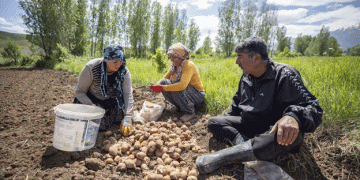
In the fertile landscapes of Ovacik and Khozat Tunceli districts, local farmers have begun a promising potato growing venture. This year's potato farming, coordinated by the Provincial Department of Agriculture...
Read moreDetailsMisuse and overuse of plant protection products (PPPs) have a high risk of developing the resistance to many PPPs. Researchers compile information regarding resistance cases and maintain the database on...
Read moreDetailsLate blight is a disease, caused by an oomycete, Phytophthora infestans. This is a growing concern in many regions, growing potatoes. For decades, potato growers widely used conventional strategy to control...
Read moreDetailsLate blight is caused by Phytophthora infestans, an oomycete and a threat to potato production worldwide. In the EU, it is recognised a regulated non-quarantine pest for the seed potato...
Read moreDetails
Ohalo's revolutionary Boosted Breeding™ technology promises to transform agriculture by significantly improving crop productivity and sustainability. This breakthrough could help meet growing global food demands while making crops more adaptable...
Read moreDetails
There are some seed-borne diseases that are a concern for many potato growers worldwide, in particular in the European countries. In a recent decade, the most devastating potato disease is recognised potato...
Read moreDetails
Potatoes have shown to provide increased protection against aphid attacks, especially concerning the management of non-persistent aphid-vectored viruses. In response to the prevalence of mosaic virus potato virus Y (PVY)...
Read moreDetails

Copyright © 2010-2026 POTATOES NEWS.