
Late Blight Outbreak Hits Southwestern Ontario: Implications for Potato and Tomato Crops
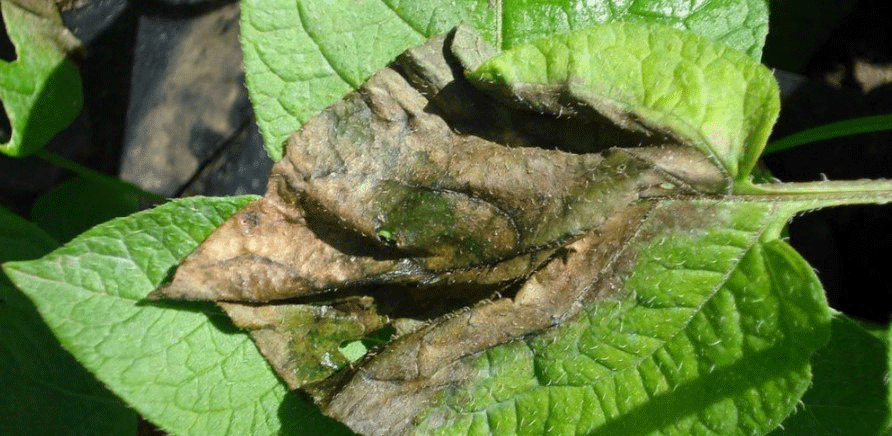
The Spread and Impact of Late Blight in Ontario
Late blight, caused by the pathogen Phytophthora infestans, is a devastating disease affecting both potatoes and tomatoes. Recently, outbreaks have been confirmed in Elgin County and Kent County, Ontario, threatening the local agriculture industry. Dr. Kutay Ozturk, an Extension potato pathologist with the University of Maine, has identified the strain involved as US-23, which is particularly aggressive on tomato foliage and fruit as well as potato tubers.
Characteristics of the US-23 Strain
Weekdays. Unsubscribe in one click.
The US-23 strain of Phytophthora infestans is known for its virulence and rapid spread. It produces a large number of sporangia on tomatoes, which are easily dispersed by wind, increasing the risk of widespread infection. While it is less aggressive on potato foliage, it still poses a significant threat to potato tubers, leading to potential yield losses and quality degradation.
Current Situation and Management Strategies
The confirmation of late blight in these regions has prompted immediate action from local farmers and agronomists. Effective management of late blight involves several strategies:
- Regular Monitoring: Frequent field inspections are crucial for early detection and rapid response to late blight outbreaks.
- Fungicide Applications: Timely and appropriate fungicide treatments can help manage the spread of the disease. Fungicides like chlorothalonil, mancozeb, and copper-based products are commonly used.
- Cultural Practices: Implementing crop rotation, removing infected plant debris, and avoiding overhead irrigation can reduce the risk of infection.
- Resistant Varieties: Planting late blight-resistant potato and tomato varieties can offer some protection against the disease.
Economic and Agricultural Implications
The economic impact of late blight can be severe, as it affects both yield and quality. Potatoes and tomatoes are vital crops in southwestern Ontario, and outbreaks can lead to significant financial losses for farmers. Additionally, the increased need for fungicide applications raises production costs and can have environmental implications.
The confirmation of late blight in Elgin and Kent Counties underscores the importance of vigilant disease management in agriculture. The aggressive US-23 strain poses a serious threat to potato and tomato crops, necessitating immediate and effective control measures. By combining regular monitoring, fungicide use, cultural practices, and resistant varieties, farmers can mitigate the impact of this destructive disease.