Slovenia grew only 41% of the potatoes it used in 2024, SURS data show. In 2025, the harvest fell by about 19% to 60,820 tonnes, and imports again exceeded domestic output.
Croatia harvested 111,691 tonnes of potatoes in 2025, 16.6% less than in 2024, while imports rose 22.6% to 86,340 tonnes. Self-sufficiency may fall below 40%.
Serbia harvested 648,930 tonnes of potatoes in 2025 on 23,160 hectares at a record 28 t/ha, Eurostat data show. The area is 59% smaller than in 2007, and EU exports to Serbia reached 54,453 tonnes.
North Macedonia grew potatoes on 11,780 hectares in 2025, 14% less than in 2015. Output stayed between 174,000 and 204,000 tonnes, depending on the source, and EU exports to the country tripled.
Germany’s potato trade urged a measured view of supply at the 73rd Autumn Potato Get-together in Hamburg, as the 2026 crop is forecast at 10.4 million tonnes.
Bulgaria harvested 94,000 tonnes of potatoes in 2025, down 17% on 2024 and from 196,000 tonnes in 2021, MZH data show. Imports of 48,321 tonnes now equal about half of the domestic crop.
Cyprus exported 62,903 tonnes of potatoes in 2025, while the harvest was 80,000 tonnes on 3,800 hectares, Eurostat data show. CYSTAT valued potato exports at €47.4 million in 2024.
Lithuania harvested 276,960 tonnes of potatoes on 14,360 hectares in 2025, Eurostat data show. The area is 87% smaller than in 2000, but the yield was the best since at least 2010.
Finland grew 546,000 tonnes of potatoes in 2025. In 2026 the area rose back above 20,000 hectares, driven by starch potatoes, and Luke expects more than 620 million kg.
Estonia harvested 60,170 tonnes of potatoes in 2025 on 2,910 hectares, Eurostat data show. In 1991, the country grew 592,000 tonnes on 52,000 hectares.
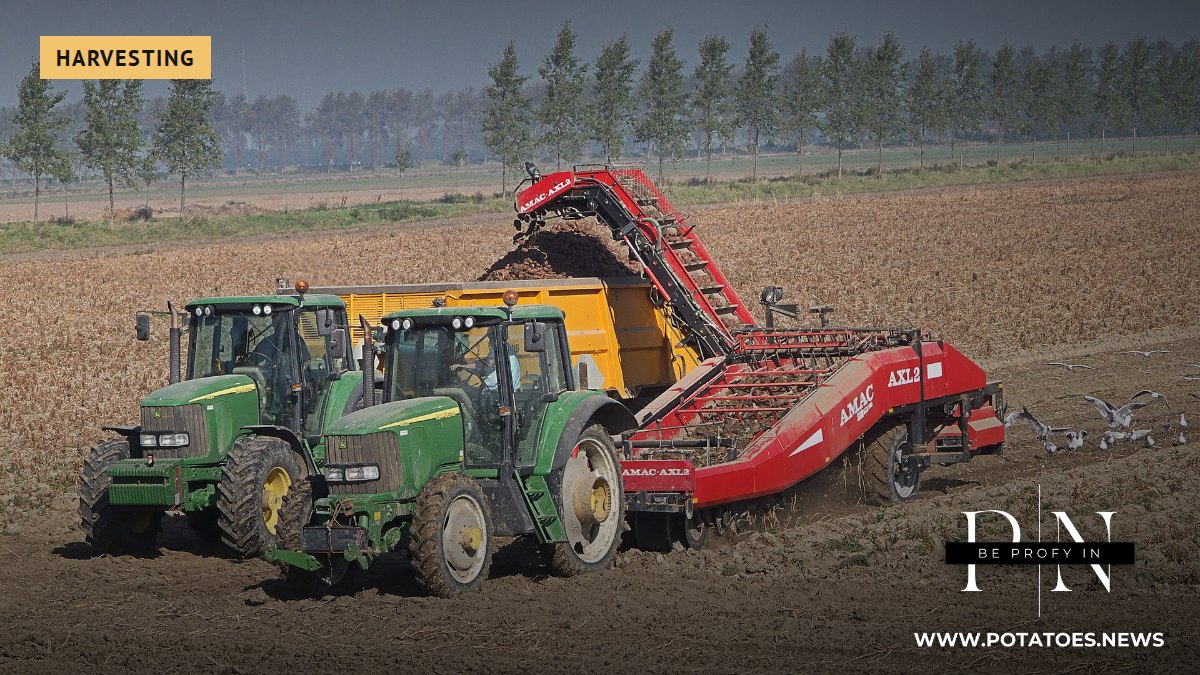
Latvian potato growers report a good crop but a slow, wet harvest. Farmers in Zemgale say lifting is about 12 days late, and some fields are too wet for machines.