IPT
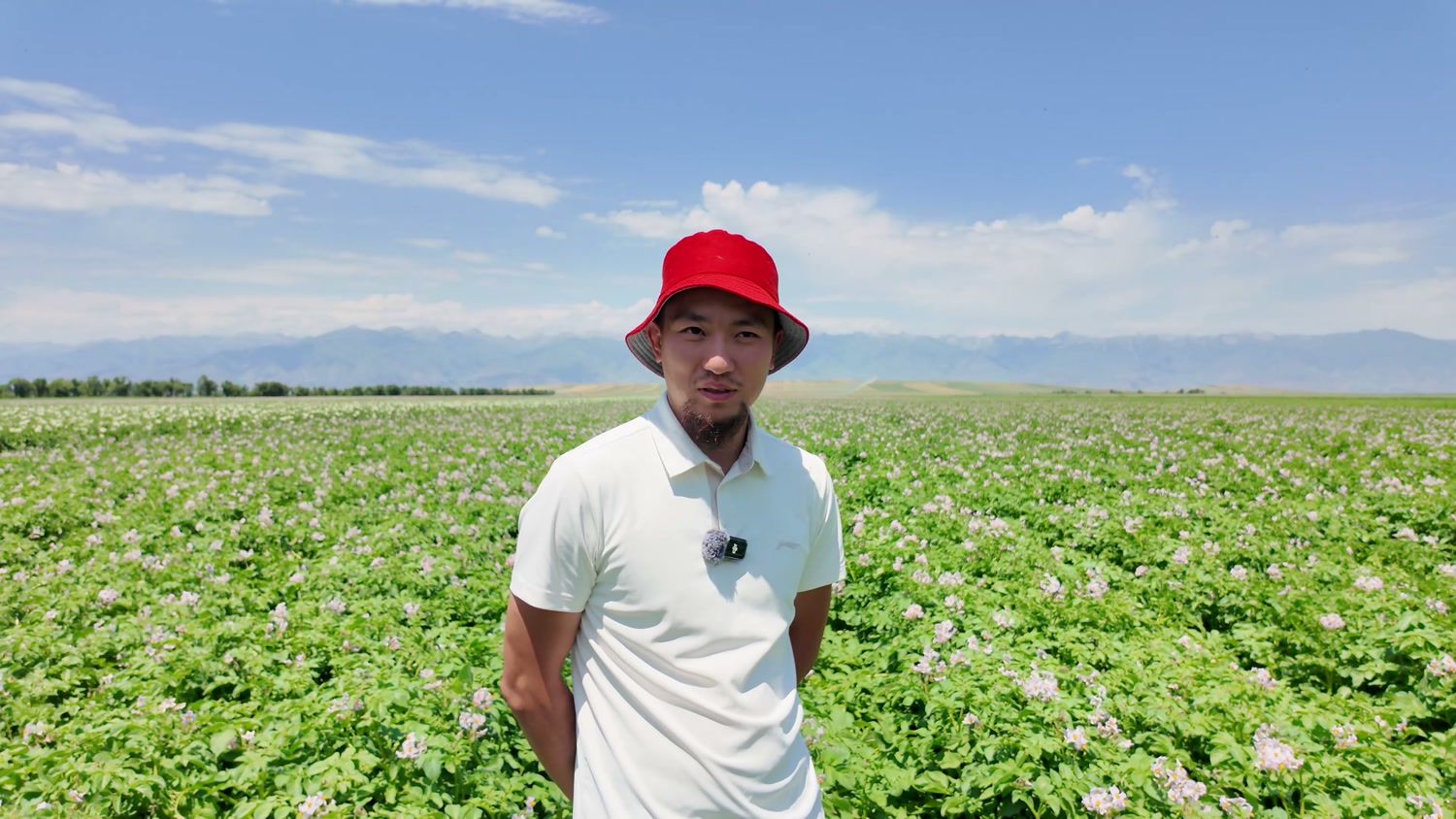
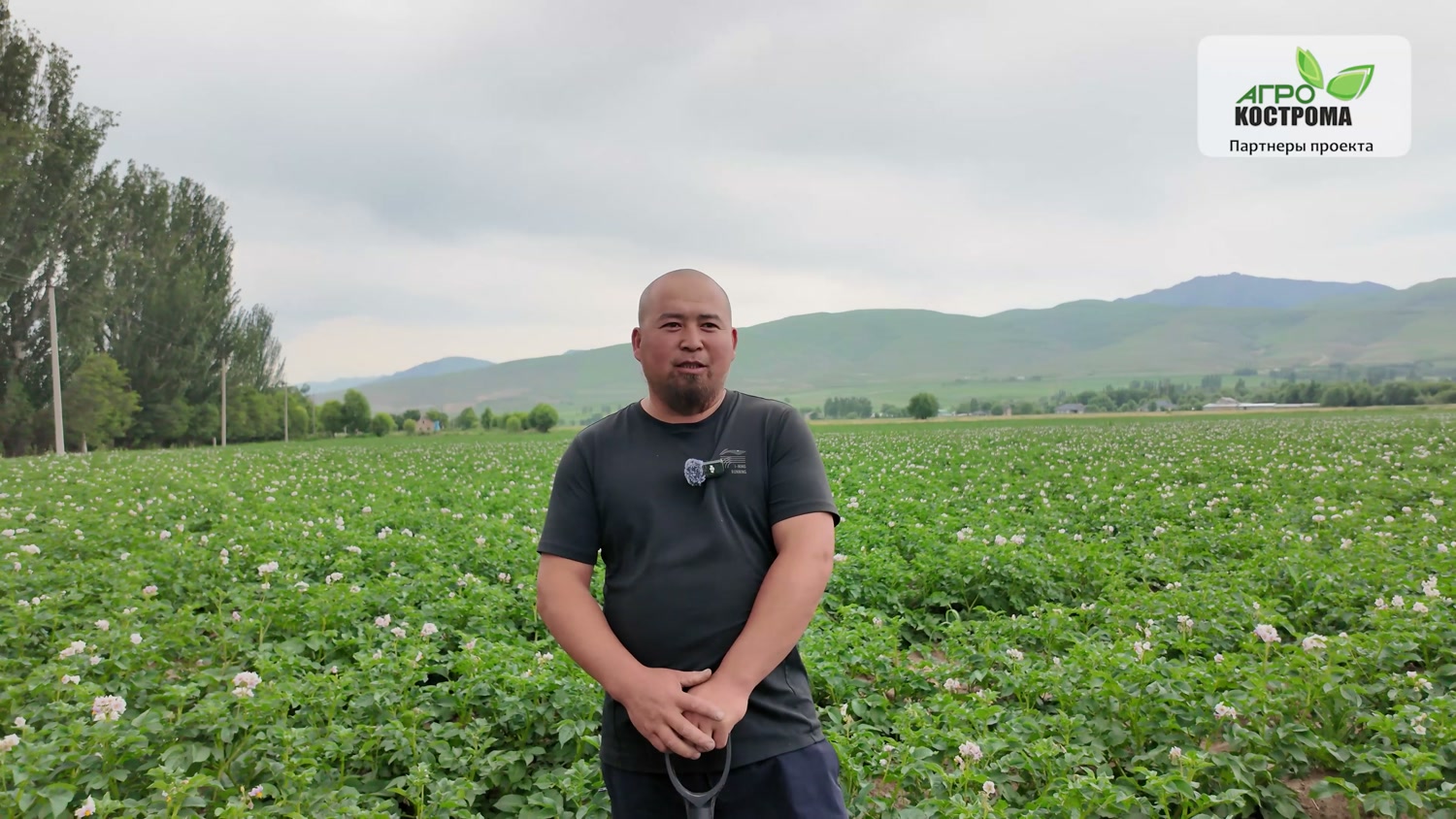
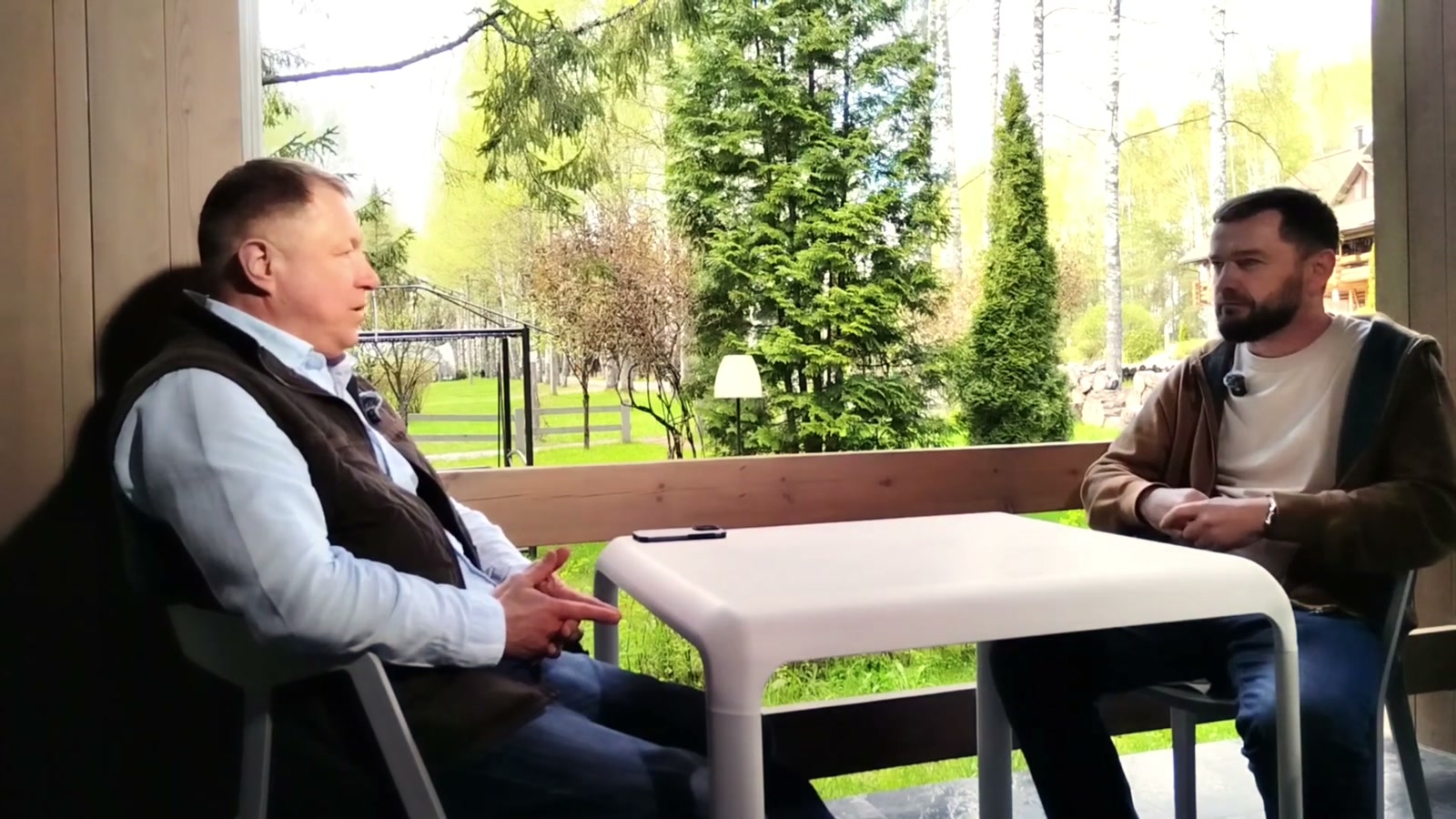
How Nam grows potatoes for chips in Kazakhstan’s Zhetysu Region
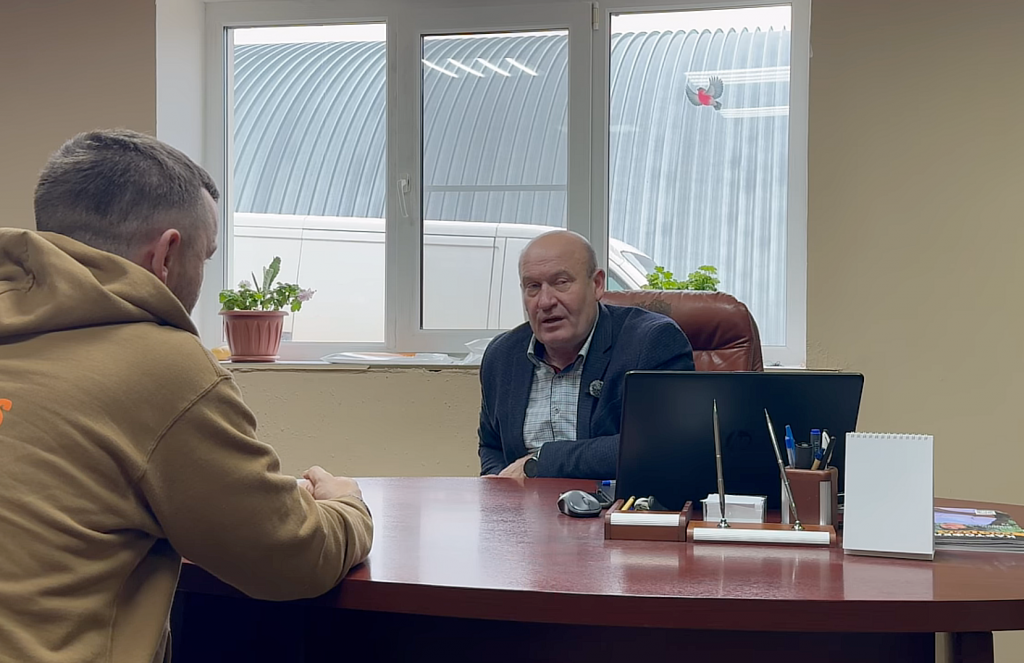
Viktor Nam describes how summer heat affected tuber growth. Reports from Zhetysu also document the farm’s sales outlets and the chipping varieties it grew in 2026.
 POTATOES.NEWSGlobal potato industry intelligence
166 stories
Viktor Nam describes how summer heat affected tuber growth. Reports from Zhetysu also document the farm’s sales outlets and the chipping varieties it grew in 2026.
At Kundyz in Kazakhstan’s Pavlodar Region, a mustard trial tested how to prepare irrigated fields for potatoes. The farm also outlined plans to equip its potato store with climate control.
Valentin Kozlov explains how he got into potato farming and shows the renovated store that Valmix uses for its own planting stock. A 2026 inspection at the company’s greenhouses offers a later look at the seed operation.
Two conversations on the International Potato Tour connect McPatel Foods’ factory in Gujarat with the founders’ account of starting a processing business and preparing products for overseas customers.
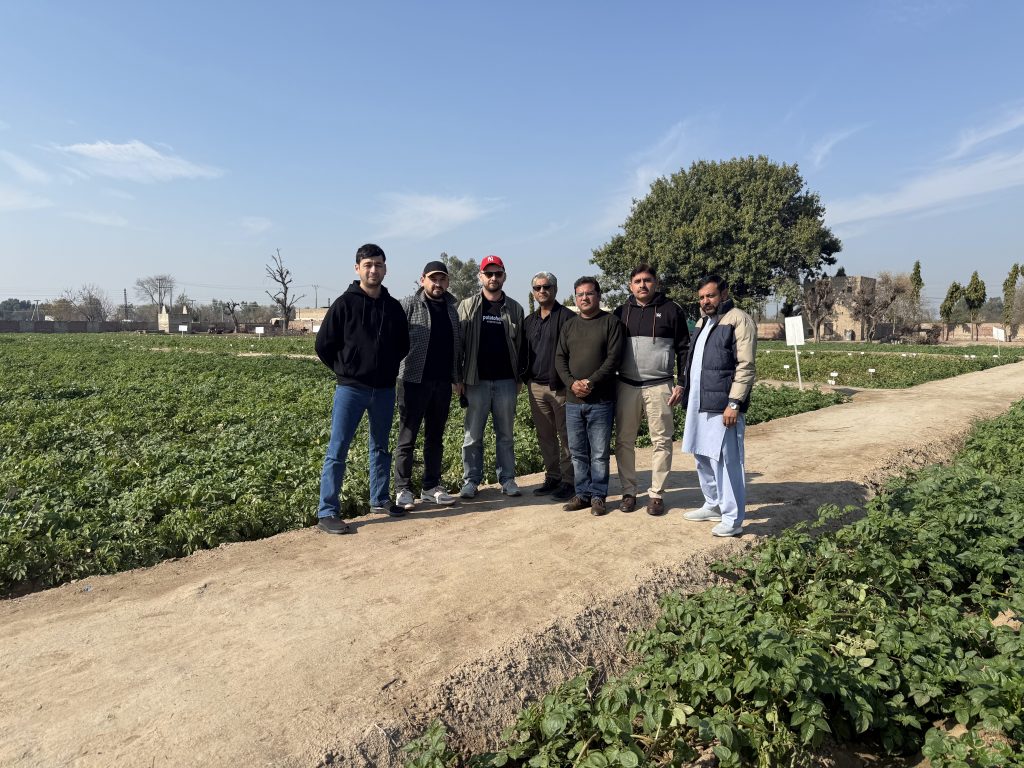
At the Potato Research Institute in Punjab, the International Potato Tour looked at how seed plots and quality tests can help growers choose potatoes for different markets.
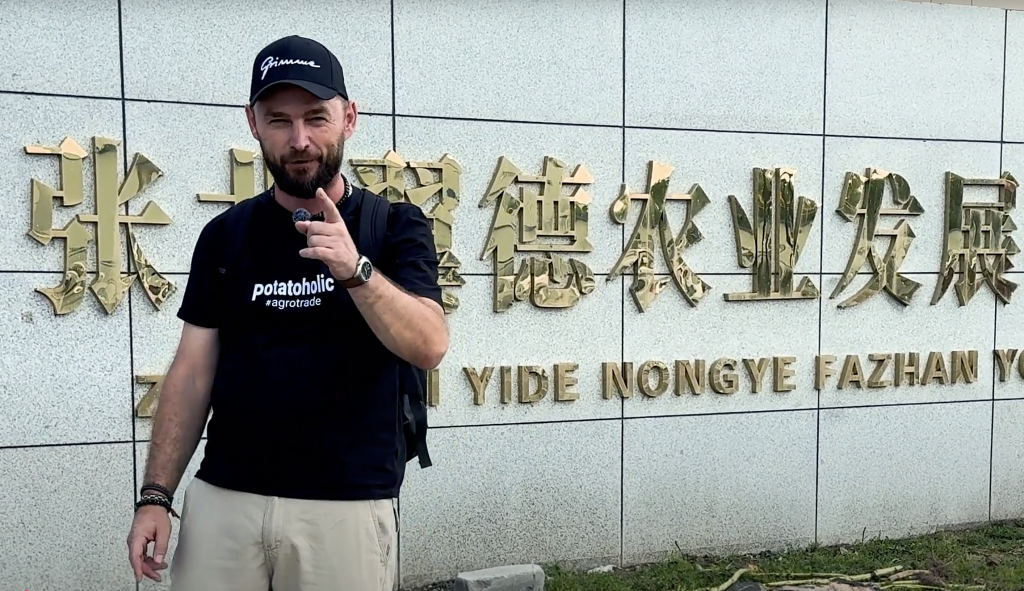
The International Potato Tour visited the plant in northern China to see how potatoes move from washing and inspection to drying, milling and packaging.
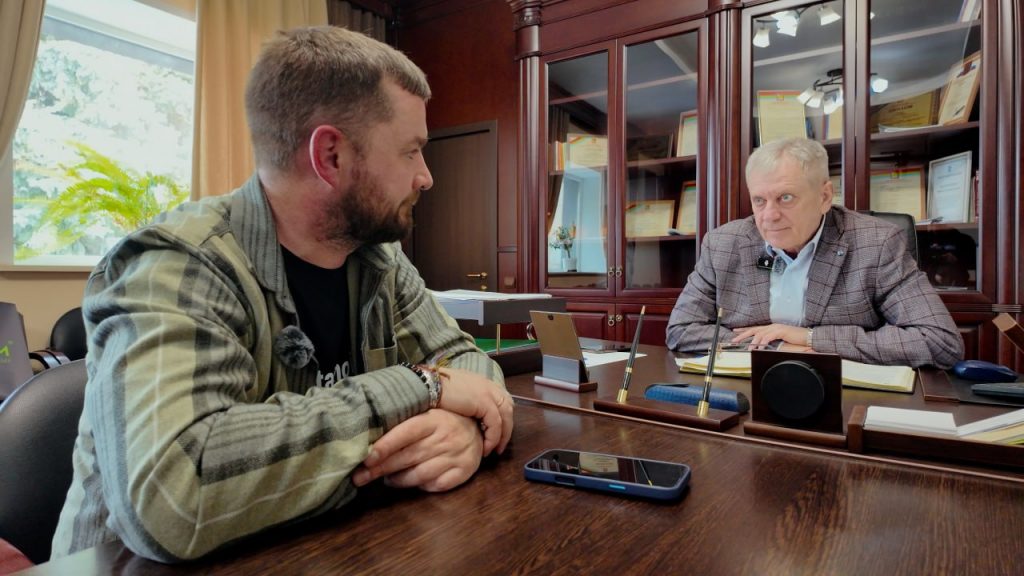
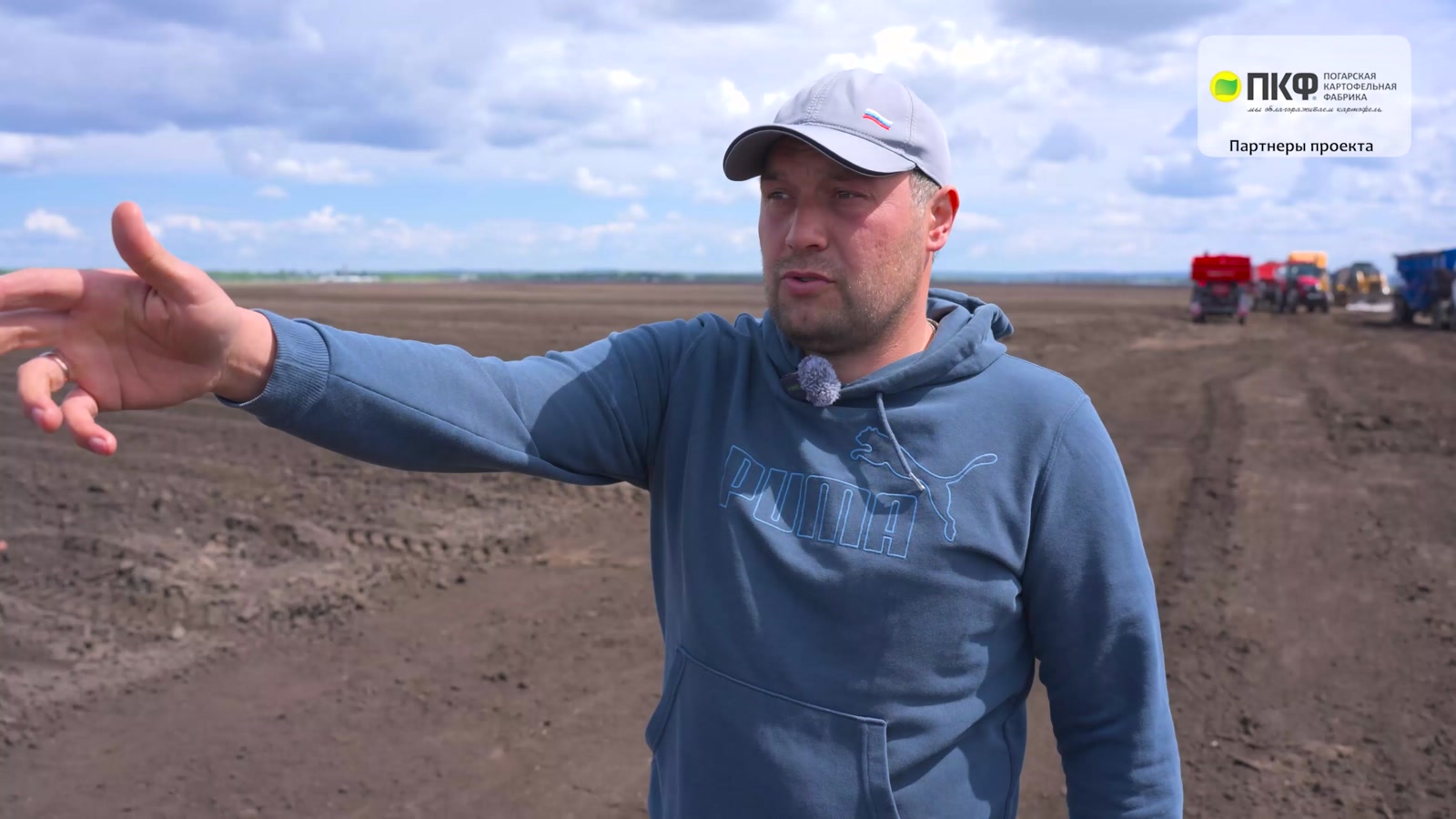
In an interview recorded in March 2026, Yuri Lesnichenko describes how the Tambov farm prepared its machinery, formed ridges on heavy black soil and stored potatoes for processors.
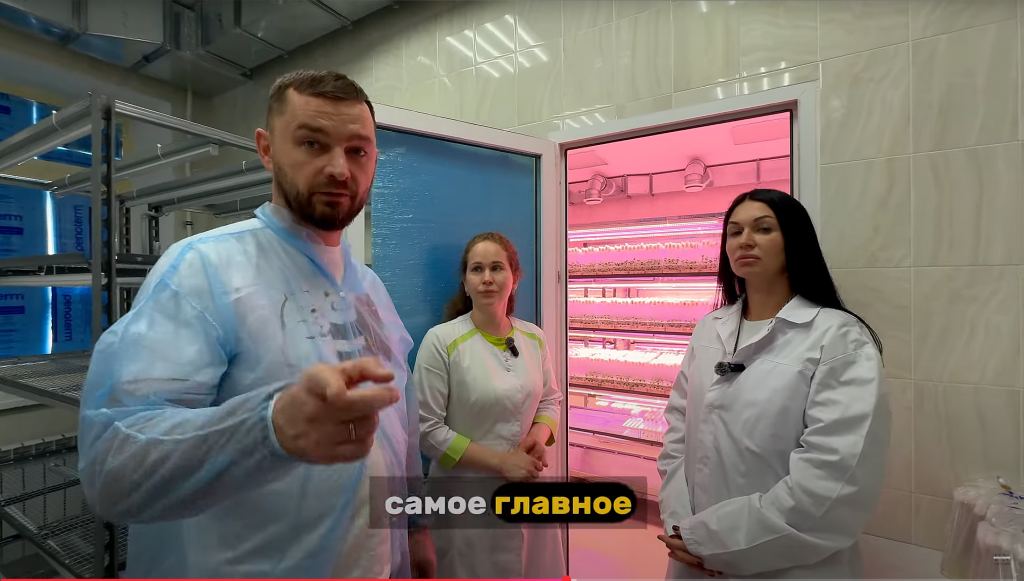
At the Vesna greenhouse complex in Russia’s Samara Region, Anna Denisova explains how the team moves potato plantlets from the lab to the greenhouse and tracks the first generations of seed potatoes in storage.
The Potato Enthusiast series opened in Kazakhstan’s Pavlodar Region. Archive footage revisits the launch at Aktogay Agro and a later conversation about storage at Shuyskoye.
Potato prices weakened at harvest in Kazakhstan in 2025, while growers reported export delays. Archive footage from Naidorovskoye shows the early crop and the farm’s preparations for storage.
At the July field day in Altai, researchers discussed Vostorg’s initial processing volumes. Archive footage of WE FRY development director Sergey Marchenko in Bunyatino shows how the company evaluates new French fry varieties.
At Tver Agroprom, Alexey Mityushkin of the Lorkh Potato Research Center described the varieties on display and called for direct comparisons between Russian and foreign selections.
IOTO AGRO joined the tour as its regional partner in Georgia and supported a potato crop protection seminar in Akhalkalaki during the March 2026 trip.
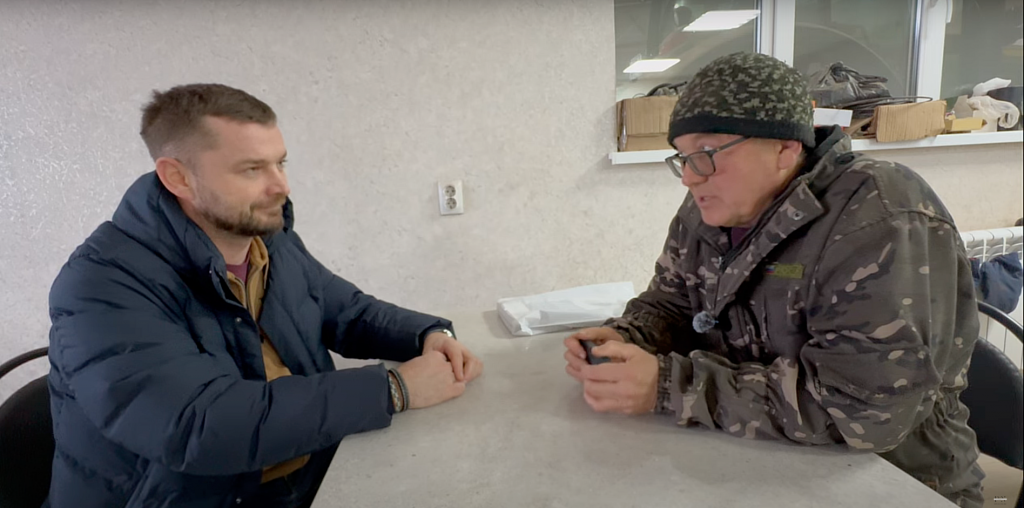
Sapsan Trade is the tour’s regional partner in Armenia. The March 2026 trip included a meeting with the company and visits to potato farms including Gamlet Tumanyan’s in Lori.
Andrey Babushkin’s family built a farm around cabbage, irrigation and seed potatoes. Tour archive footage shows how they organise the harvest and adapt their equipment and buildings as the farm changes.
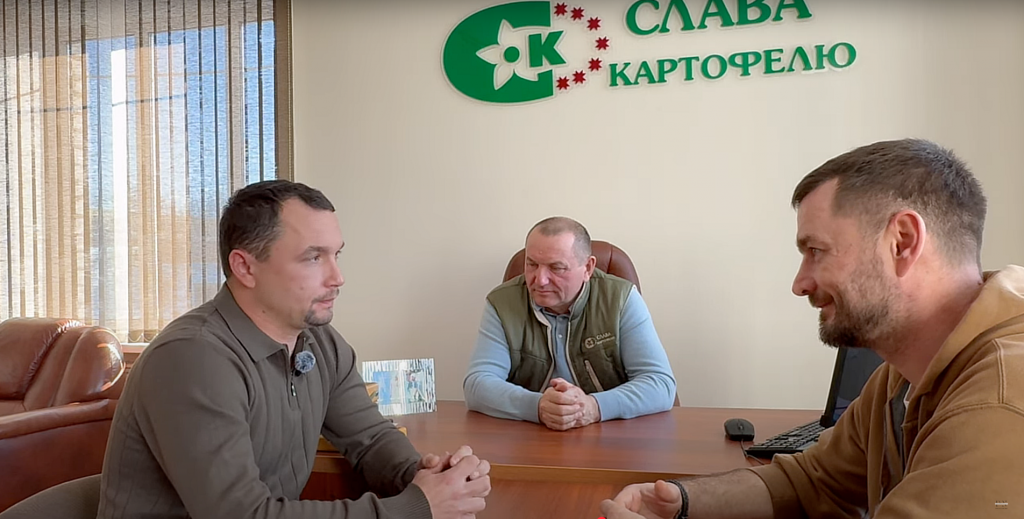
A July 2026 visit to Slava Kartofelyu showed how the farm inspects seed potato plants and helps a local kindergarten grow seedlings.
EMA Agro joined the International Potato Tour as its regional partner in Azerbaijan. This update adds a frame from the team’s visit to an EMA Agro outlet and links to the report from Jalilabad.
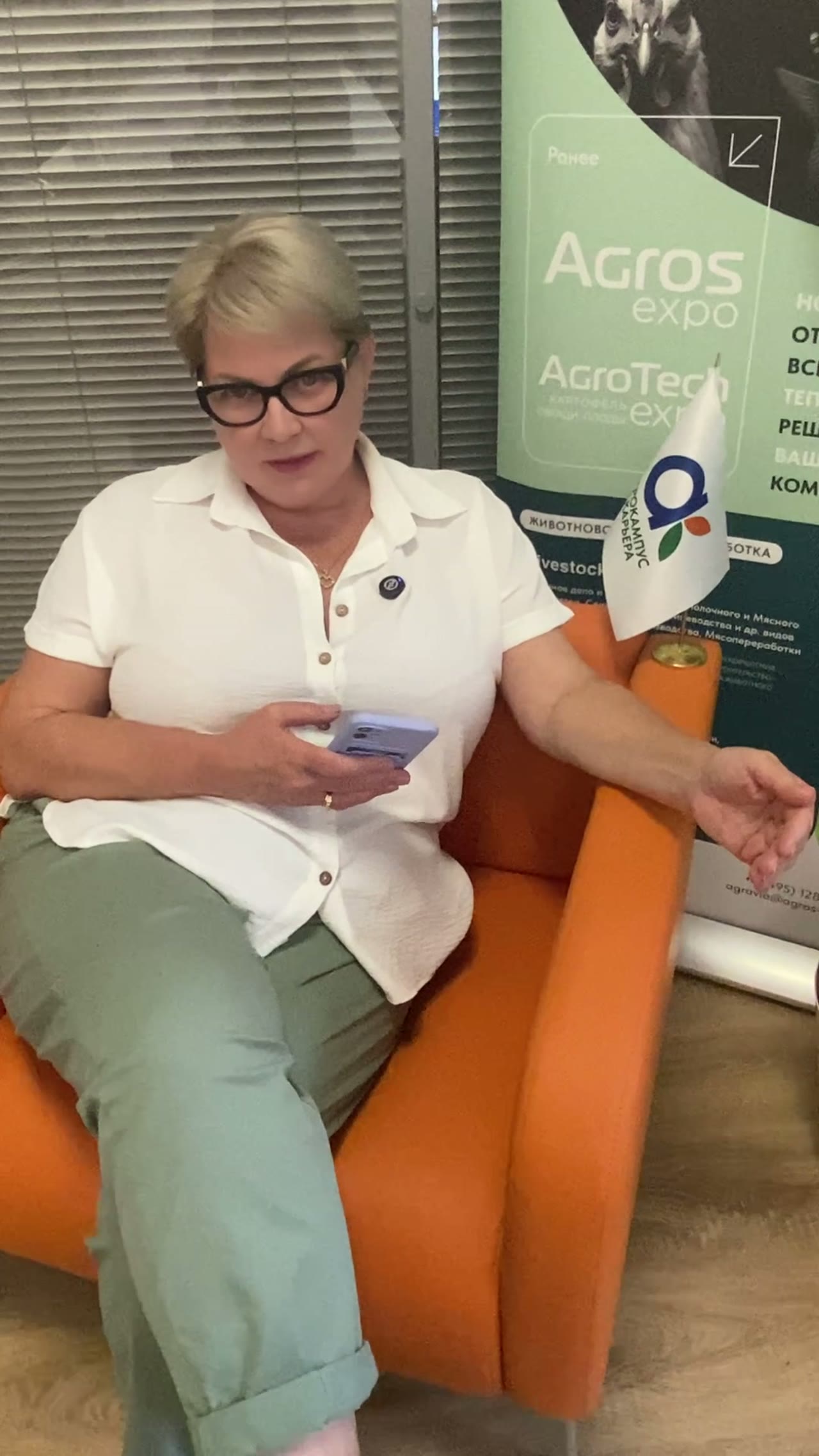
In an archive interview, Tatiana Artamonova explains why young people should try agricultural work before choosing a profession. AgroCampus puts the idea into practice through its school potato-growing competition.
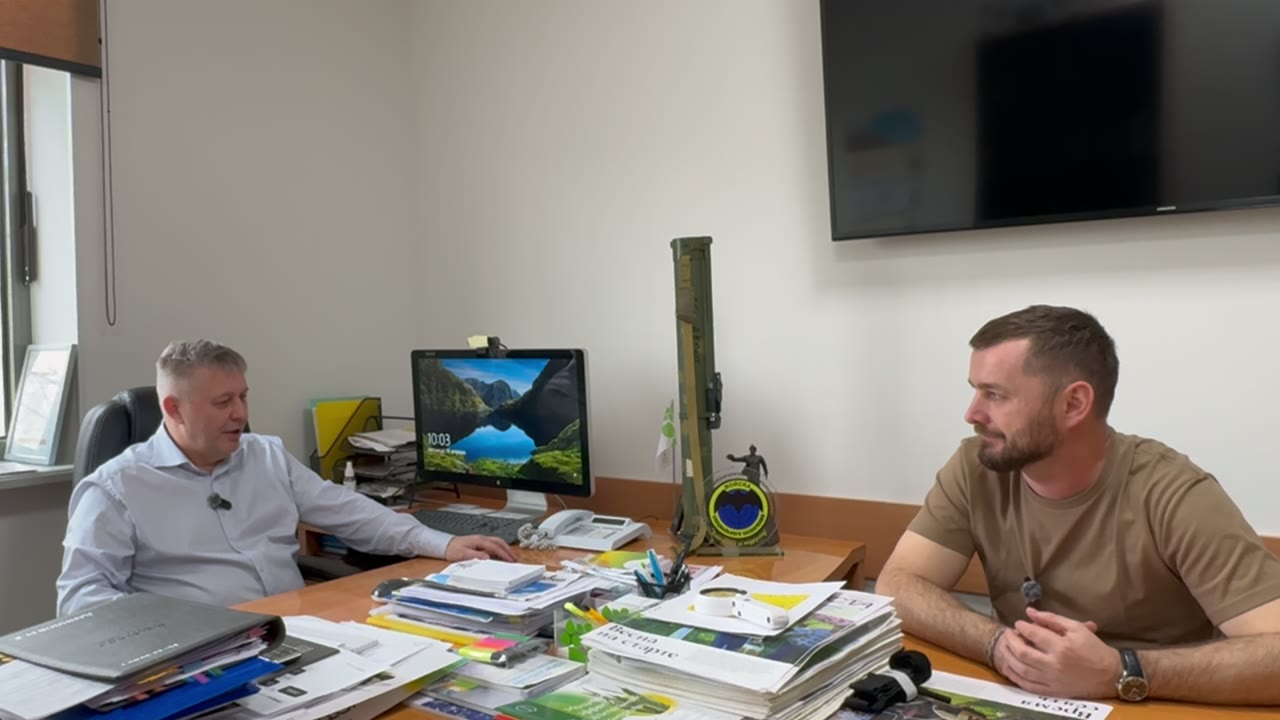
A Yiğitsan export representative discusses potato planting and harvesting equipment, stony fields and the challenge of finding workers at harvest.
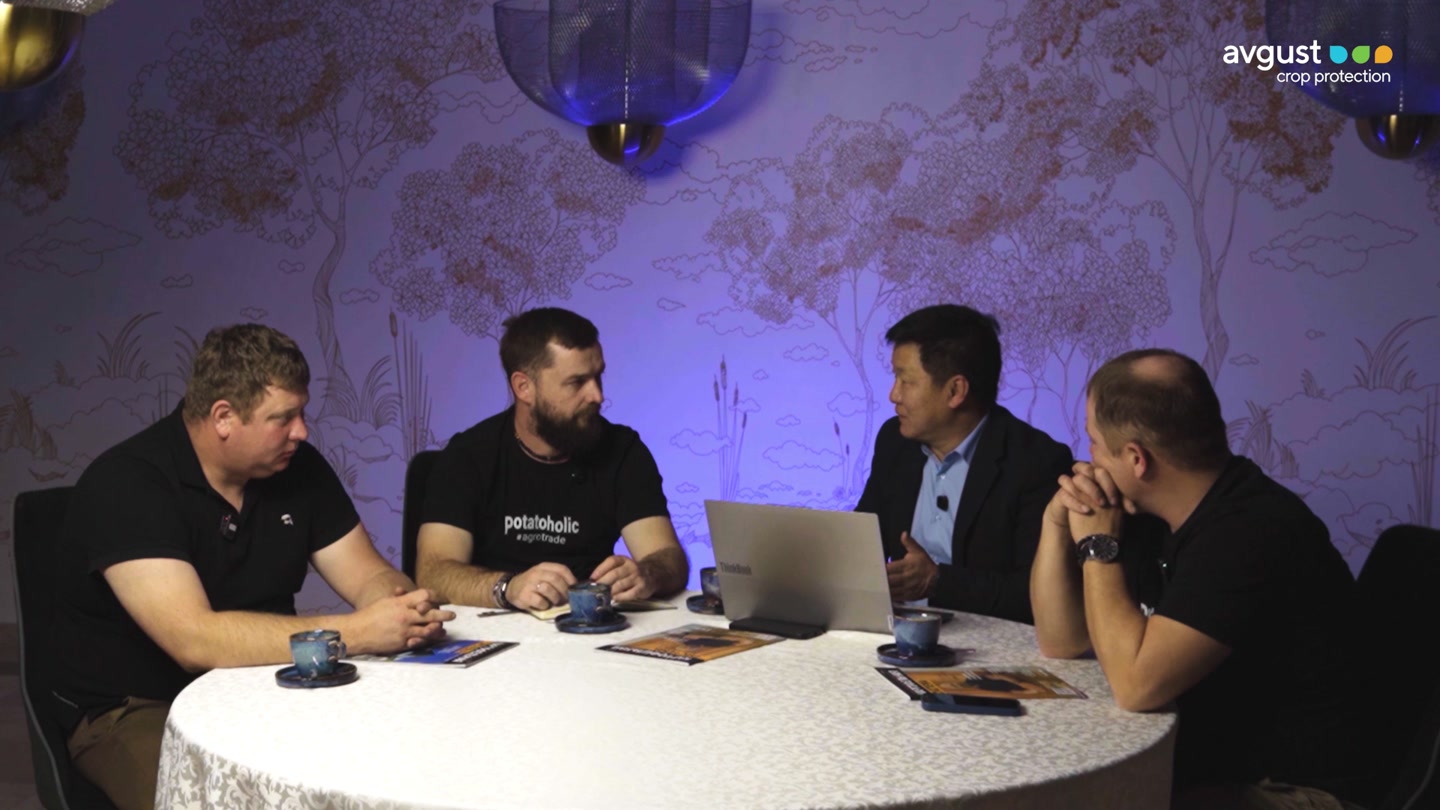
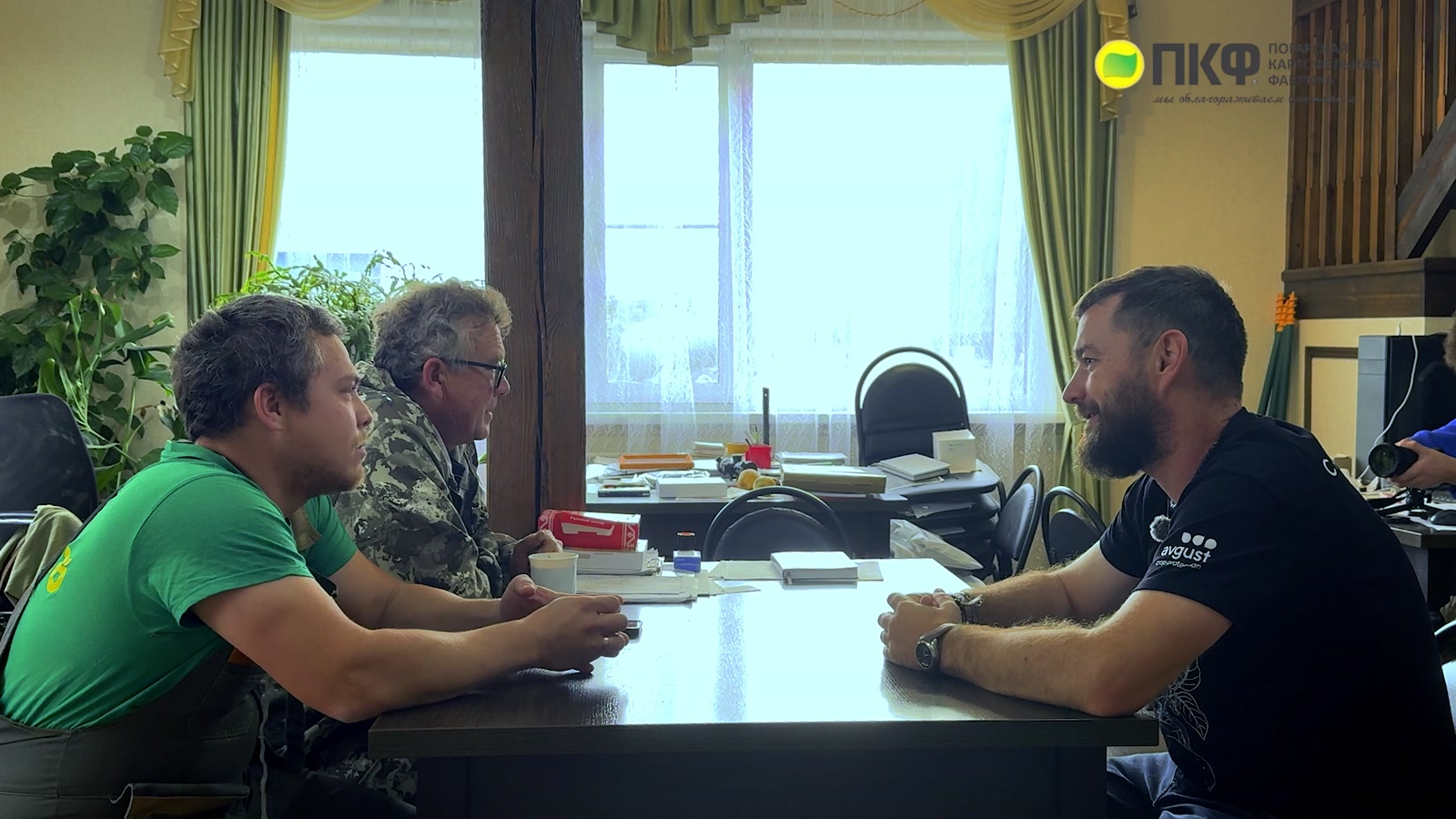
In a 2025 interview, Mikhail Danilov explains why Avgust supported the Russian route and why examples from potato farms can help growers make production decisions.
Metin Süt of Gözde Zirai explains how demand for processing varieties changed the family seed potato business in Türkiye, and why growers need to consider water use when choosing varieties.
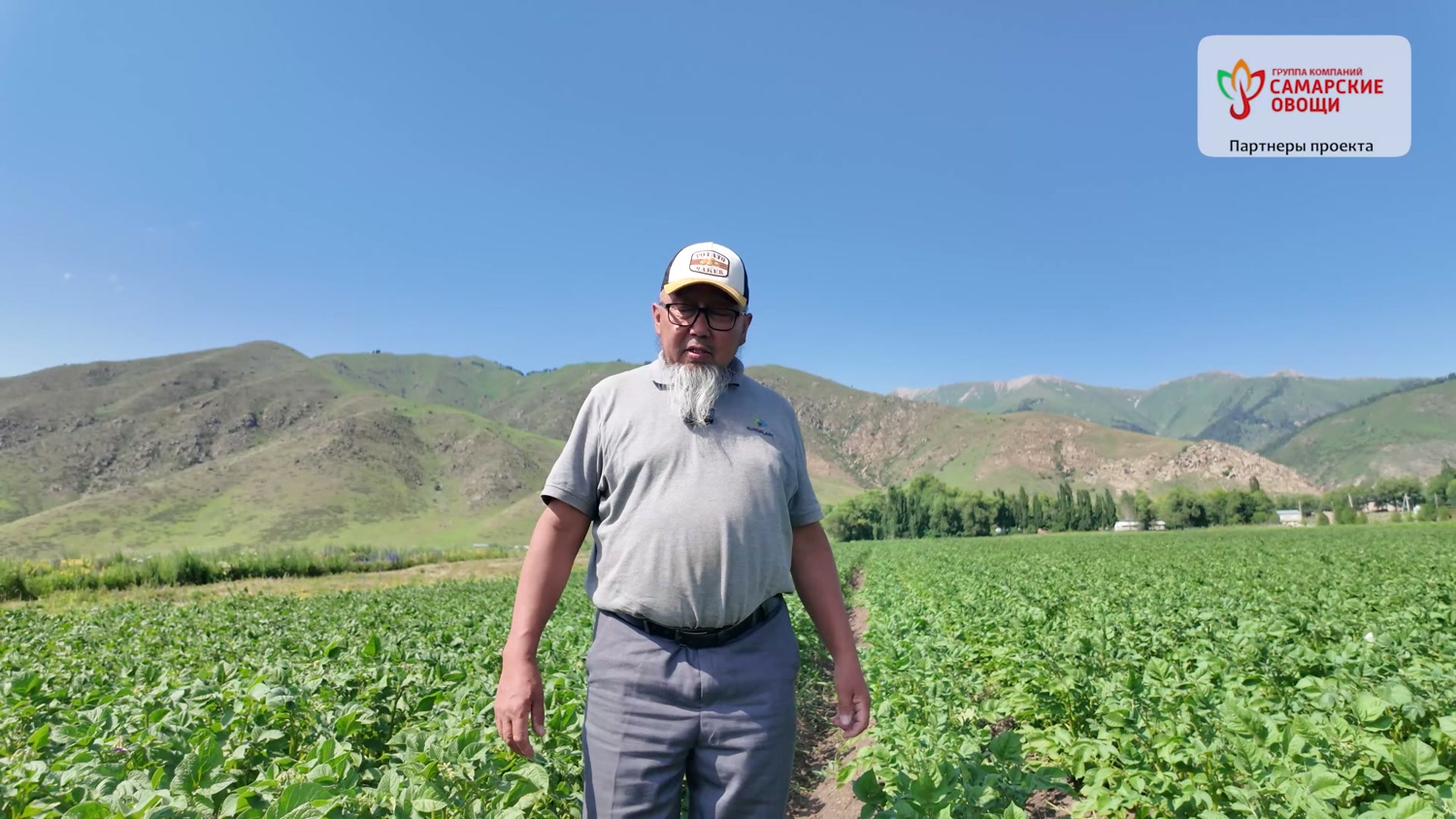
On a family farm in Kyrgyzstan, Musa Mukanmediev compares around ten potato varieties and explains why he plants elite-class seed potatoes.
In Kyrgyzstan’s Tyup district, Askarbek Sulaimanov explains how his cooperative tests potato varieties for growers and processors and shares seed potatoes with members.
At a March 2026 seminar in Azerbaijan’s Jalilabad district, potato growers discussed protecting the crop and shared their field experience with the International Potato Tour.
In Kyrgyzstan, farmer Sherba Sheshanlo talks about growing potatoes since 2016, working with elite seed potatoes and learning from his own mistakes.
The International Potato Tour visits Narmonka’s potato store and hears how the farm grades its crop and reserves supplies for the spring fairs.
In Shushenskoye district, farmer Anton Yudin explains how he began growing potatoes, added vegetables for retail chains and set priorities for storage and automation.
Vyacheslav Vinogradov explains how a Primorye seed-potato centre multiplies planting material, serves local buyers and works with a variable monsoon climate.
Sergey Lipovka describes early varieties, local buyers and the Colomba crop that reached 60 tonnes per hectare in one previous season.
At ANKAFAR in Ankara, the tour follows potato minitubers from the laboratory and heated greenhouses to grading and cold storage.
On Potato 2.0, EKSLi founder Maxim Lysenko explains how optical sorting divides a crop stream and why a farm should count marketable potatoes in the rejects.
A visit to Kyrgyzstan’s Kirbi links the company’s early crisp-making workshop to the planting, irrigation and harvest decisions its agronomists make in Tyup.
The tour visits farms in Kazakhstan’s Pavlodar Region to see how field shape, electricity and access to water affect potato production.
In Irkutsk Region, agronomist Leonid Kichigin shows how the farm combines two-row beds with circular planting and shared equipment tracks.
Recorded in Pavlodar, the two episodes follow the 2025 potato season from contracts and storage to seed supply, processing and freight costs.
A visit to Boguslavsky in the Sol-Iletsk area follows a family cooperative from night irrigation to grading, storage and the switch to 25 kg bags.
At Evgeny Tsirulev’s farm in Samara, soil maps help guide field decisions and laboratory staff test incoming seed material.
In Mari El, Andrey and Nikita Babushkin explain how cover crops, planting density, lot sampling and ventilation support their seed-potato operation.
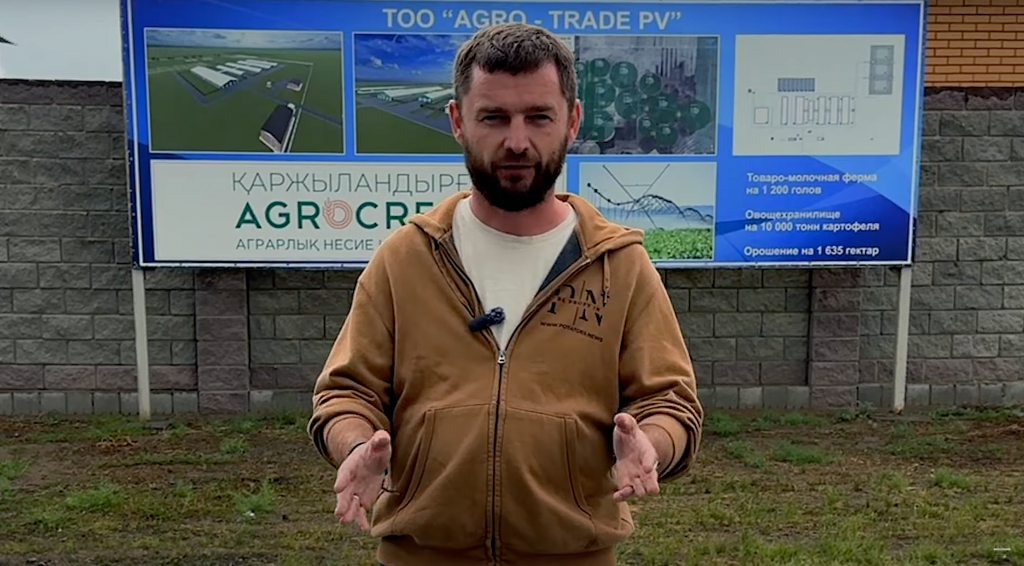
At Agro-Trade PV in Kazakhstan’s Pavlodar Region, Erkin Almagambetov explains seed grades, centre-pivot irrigation and the role of hand sorting.
Ilya Dudanov explains how the Bryansk factory balances the harvest with processing, chooses potatoes for dry matter and supplies potato flakes to kitchens.
Maxim Kislyakov explains how Samara–Solana stores seed lots, trains its staff and plans to improve working conditions in the packing area.
Alexander Pilipchuk explains how Kostroma Potato moved from imported seed to local multiplication and set targets for contracts and seed-grade tubers.
Alexey Shurygin explains how Niva mechanised harvesting, tried summer planting for chip potatoes and began to automate preparation for sale.
In a field interview from Kazakhstan’s Pavlodar Region, Viktor Ryambov explains his crop choices, seed isolation and how his son learned the work.
A February 2025 plant visit shows how Avgust–Alabuga prepares for spring demand and records the handover of samples to its quality-control laboratory.
The World Potato Markets editor explains who uses his data and why, ahead of the 2026 World Potato Congress, he wanted to visit Kenyan potato farms.
The Agrotrade founder explains the lead time for seed potato production and shows how Aksentis grades, stores and labels lots in Nizhny Novgorod Oblast.
Alexander Shilin explains why Raygorod keeps maize residues in its rotation, stores potatoes for deliveries into July and depends on affordable irrigation.
Kairat Abishev explains how Daneker logs truck weights, why processing potatoes need different storage and where the farm planned to extend irrigation.
At KazAgro in Astana, growers and seed suppliers discuss what it takes to deliver potatoes for crisps, from variety choice to bulk-bag specifications.