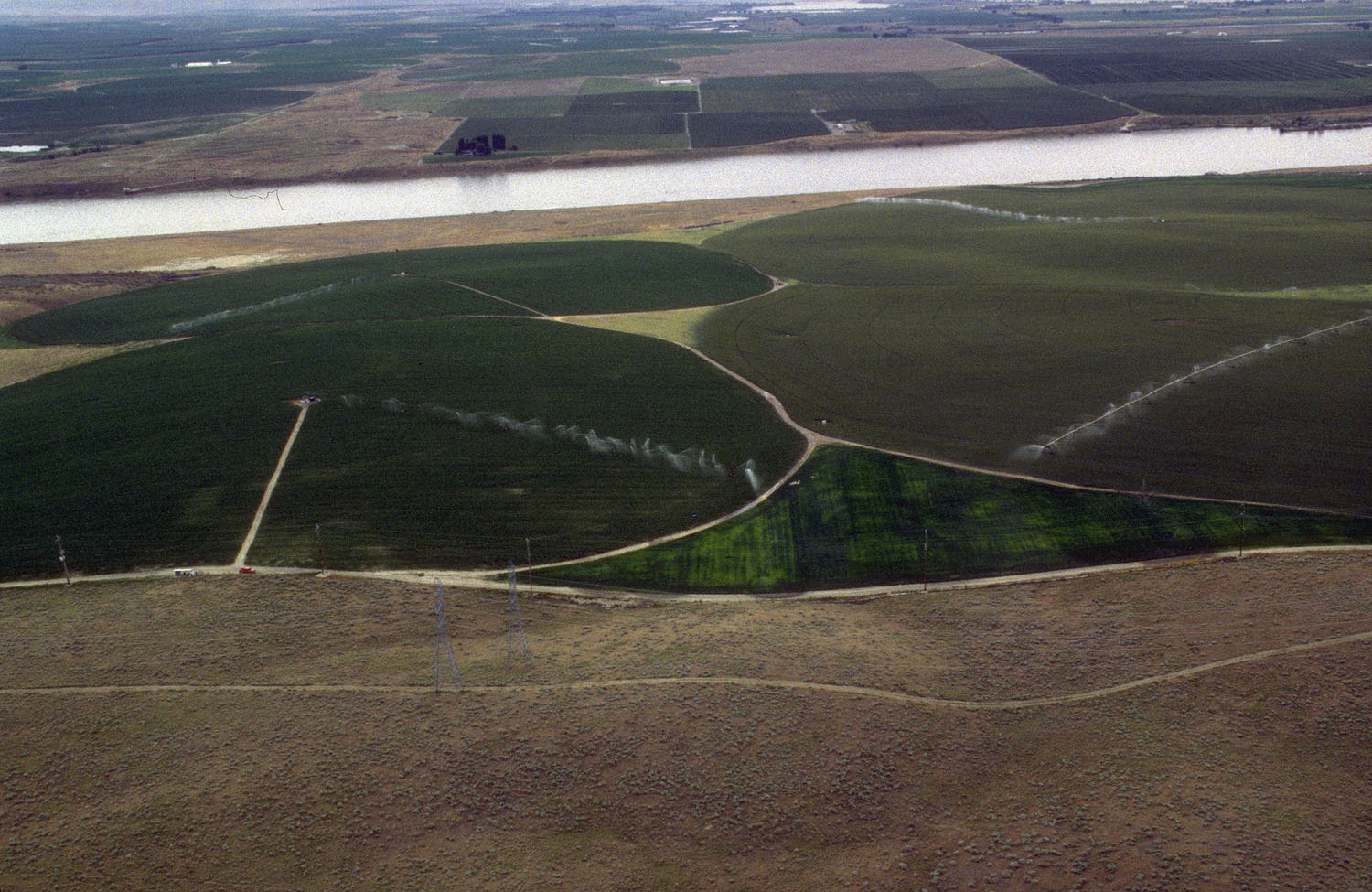
Potatoes lose yield when more than 30–50% of available soil water is used. Guides from FAO, UC IPM and Oregon State give thresholds and sensor readings for irrigation timing.
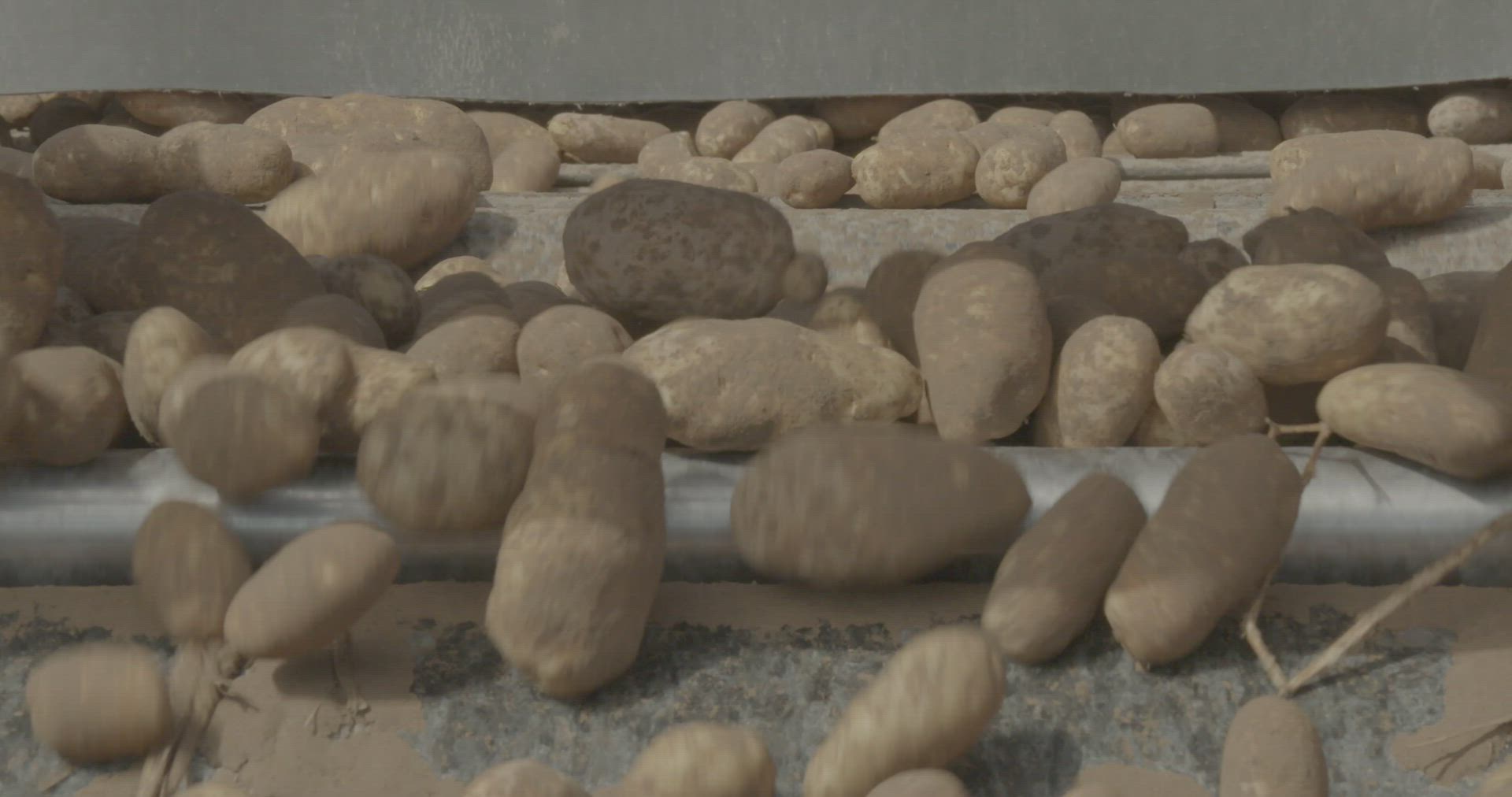
Specific gravity is the quickest farm test of dry matter in potatoes. Fry potatoes below 1.070 do not meet industry standards, and simple tests show growers where they stand.
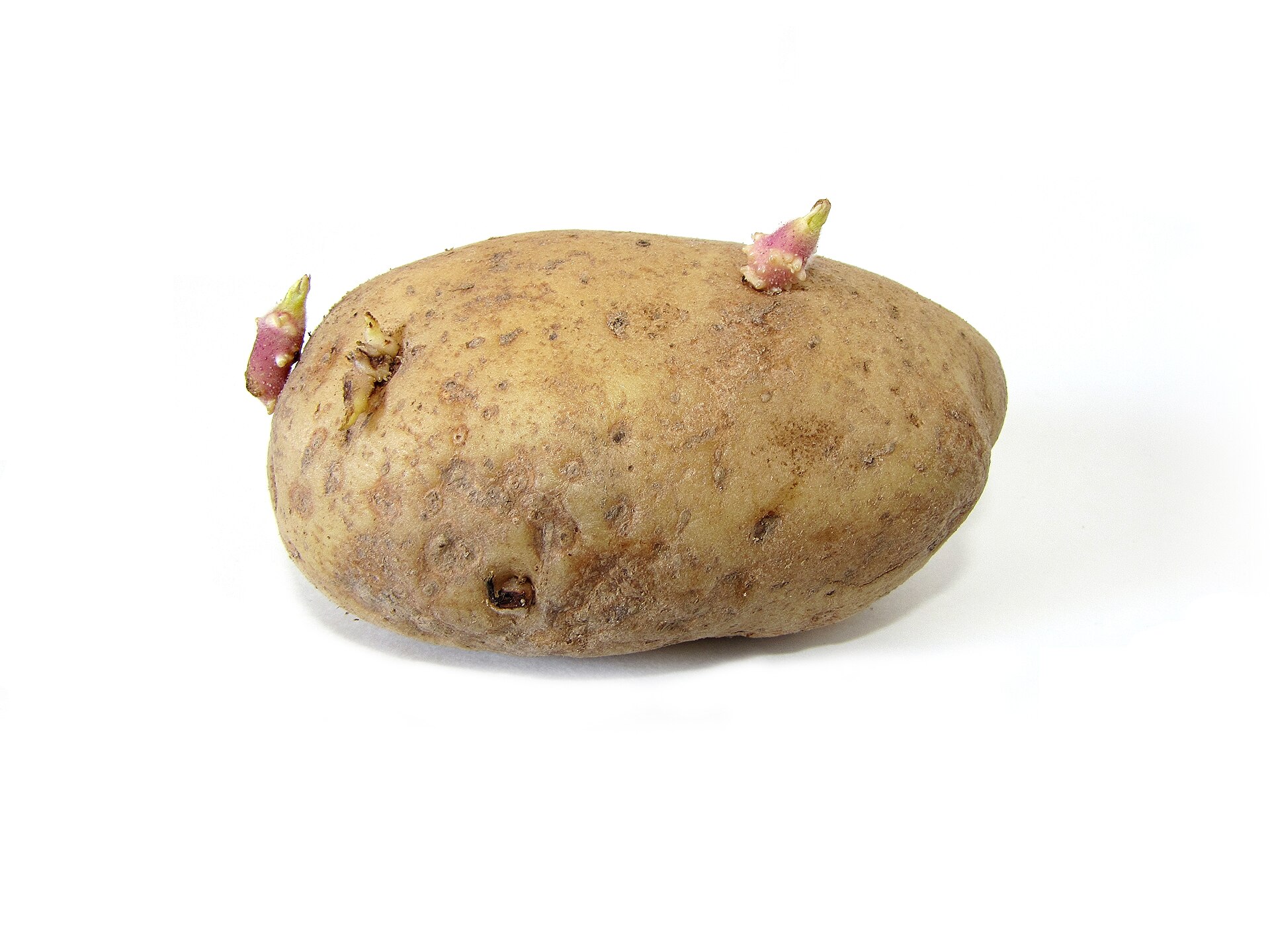
With CIPC gone, maleic hydrazide is a field-applied base for sprout control. It delivers 3 kg/ha in one application, ideally about five weeks before haulm destruction.
Globodera pallida populations fall only 10–30% a year without potatoes, while susceptible crops can multiply them 46–100 fold. Rotation alone takes at least eight years.
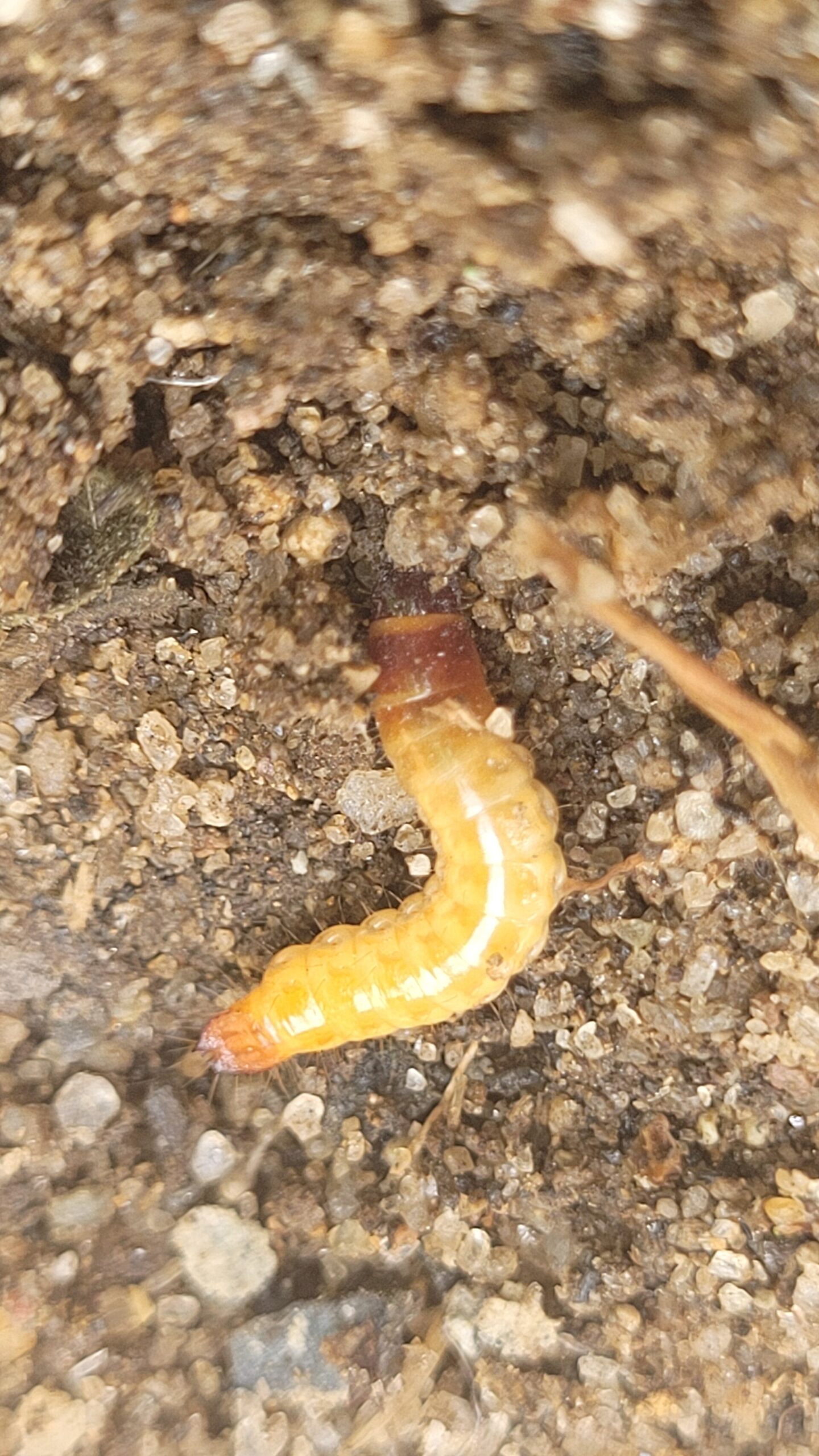
Extension services in the UK and California agree: fields within two years of grass carry the highest wireworm risk. One larva in 20 soil cores can signal about 60,000 per hectare.
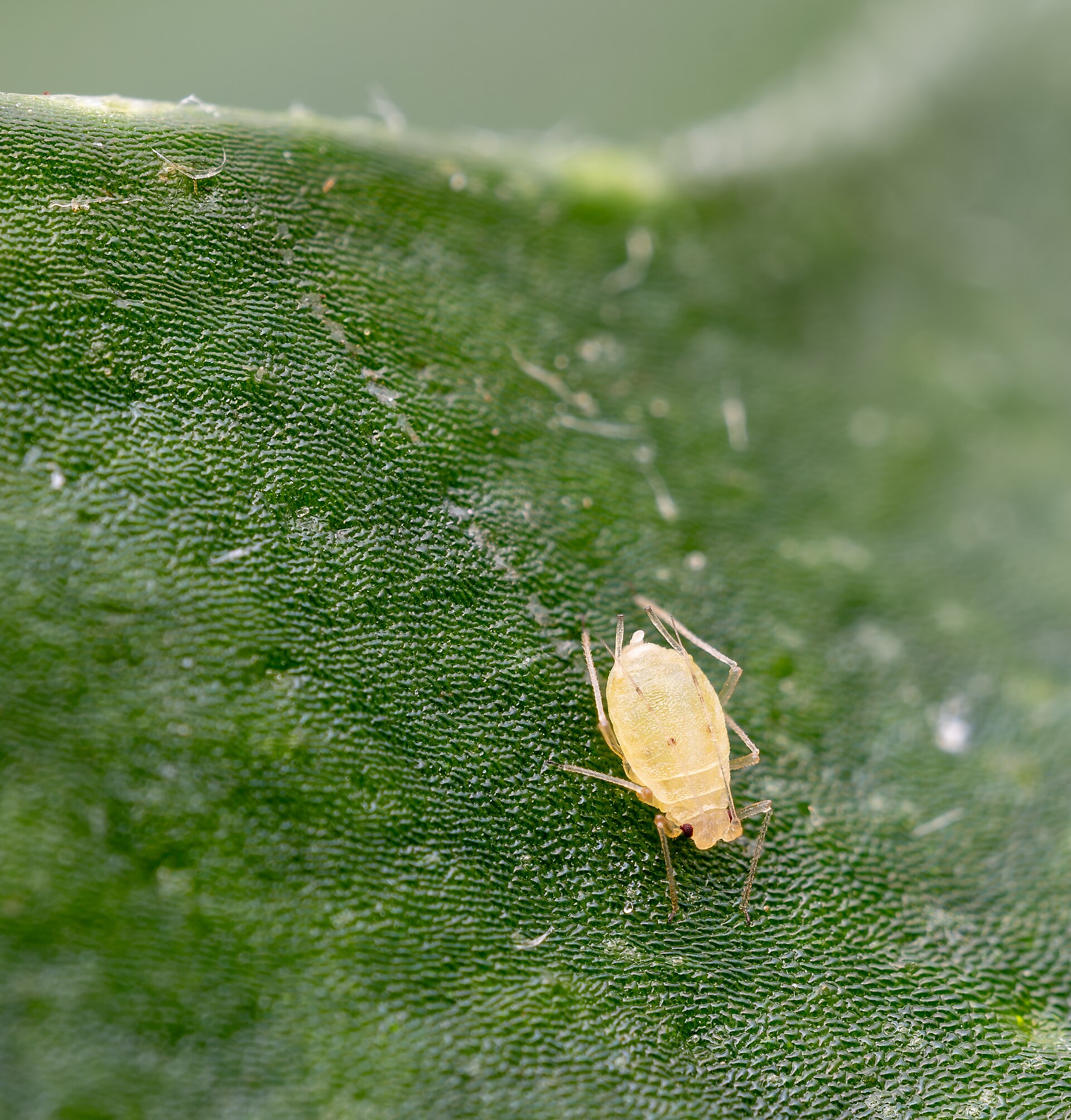
Field trials in Finland, Canada and Belgium show that mineral oil reduces potato virus Y spread in seed crops, but not fully. Straw mulch and oil-insecticide mixes add protection.
Final NASS data put the 2025 US potato crop at 418 million cwt, down 1%. The value of sales fell 9% to $4.21 billion as the average price dropped to $10.80 per cwt.
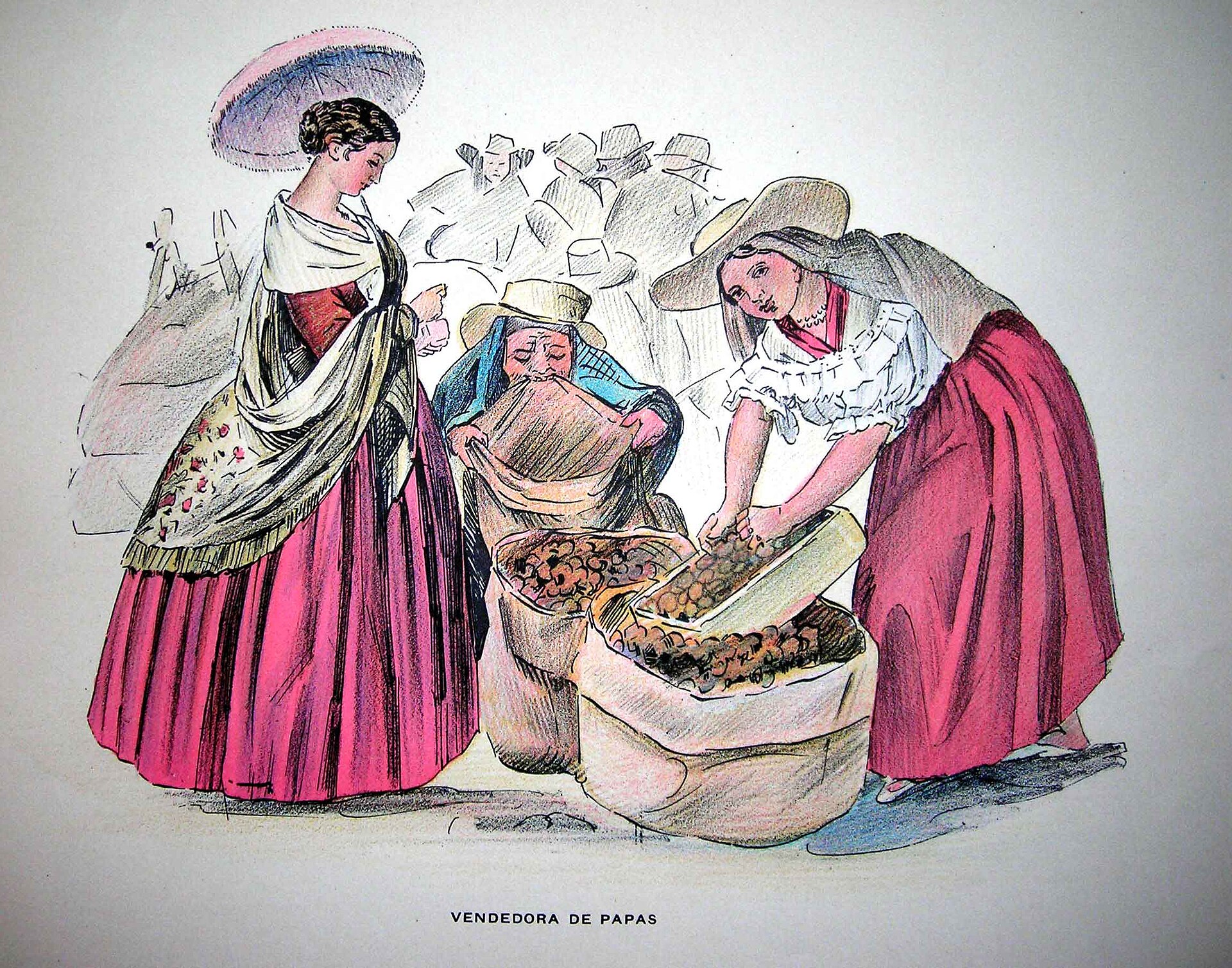
Potatoes at the Plaza Minorista in Medellín now cost about 3,500 pesos per kg, up from 2,000. DANE data for 19–25 September confirm higher potato prices as supply from Antioquia and Nariño falls.
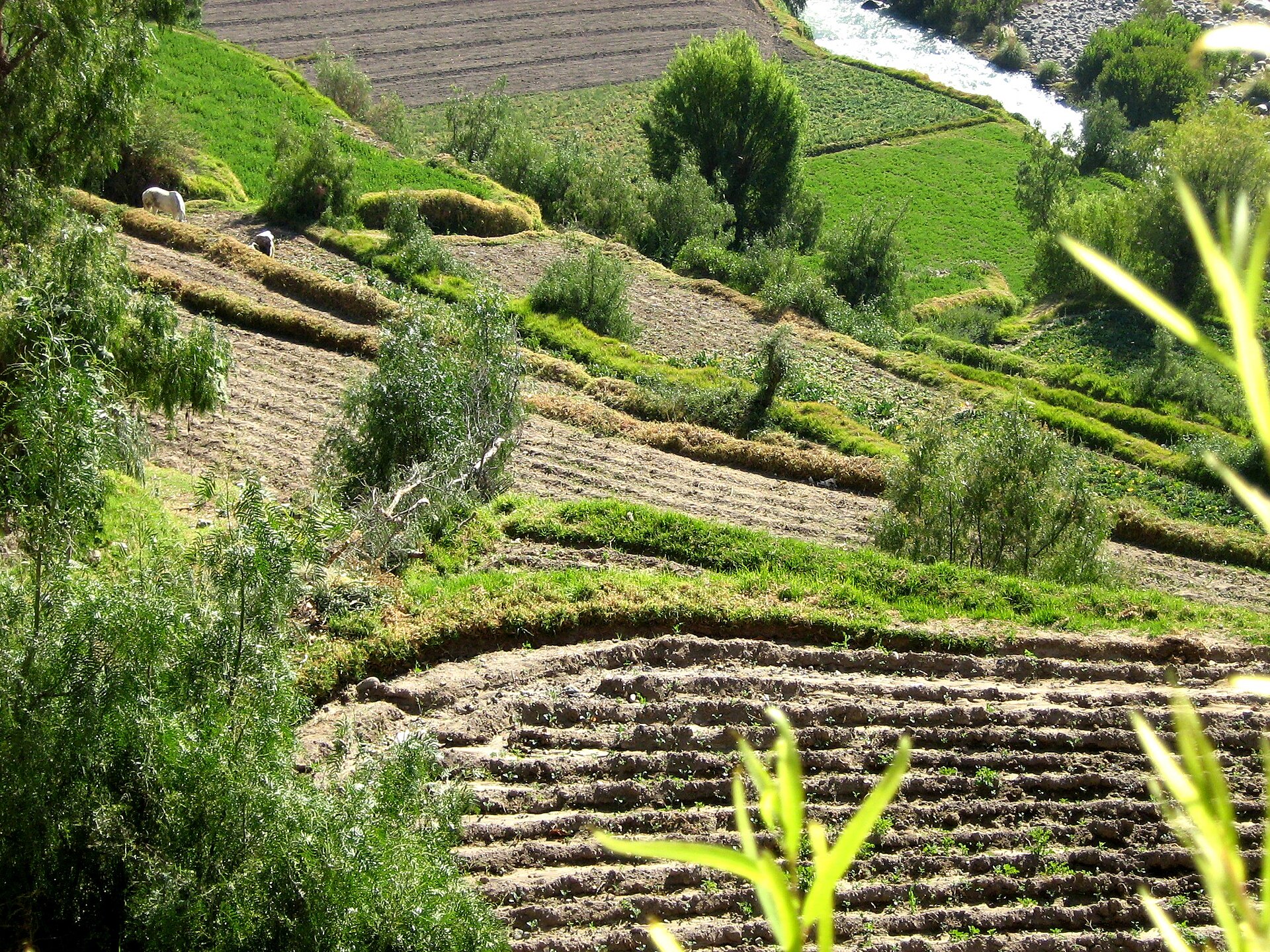
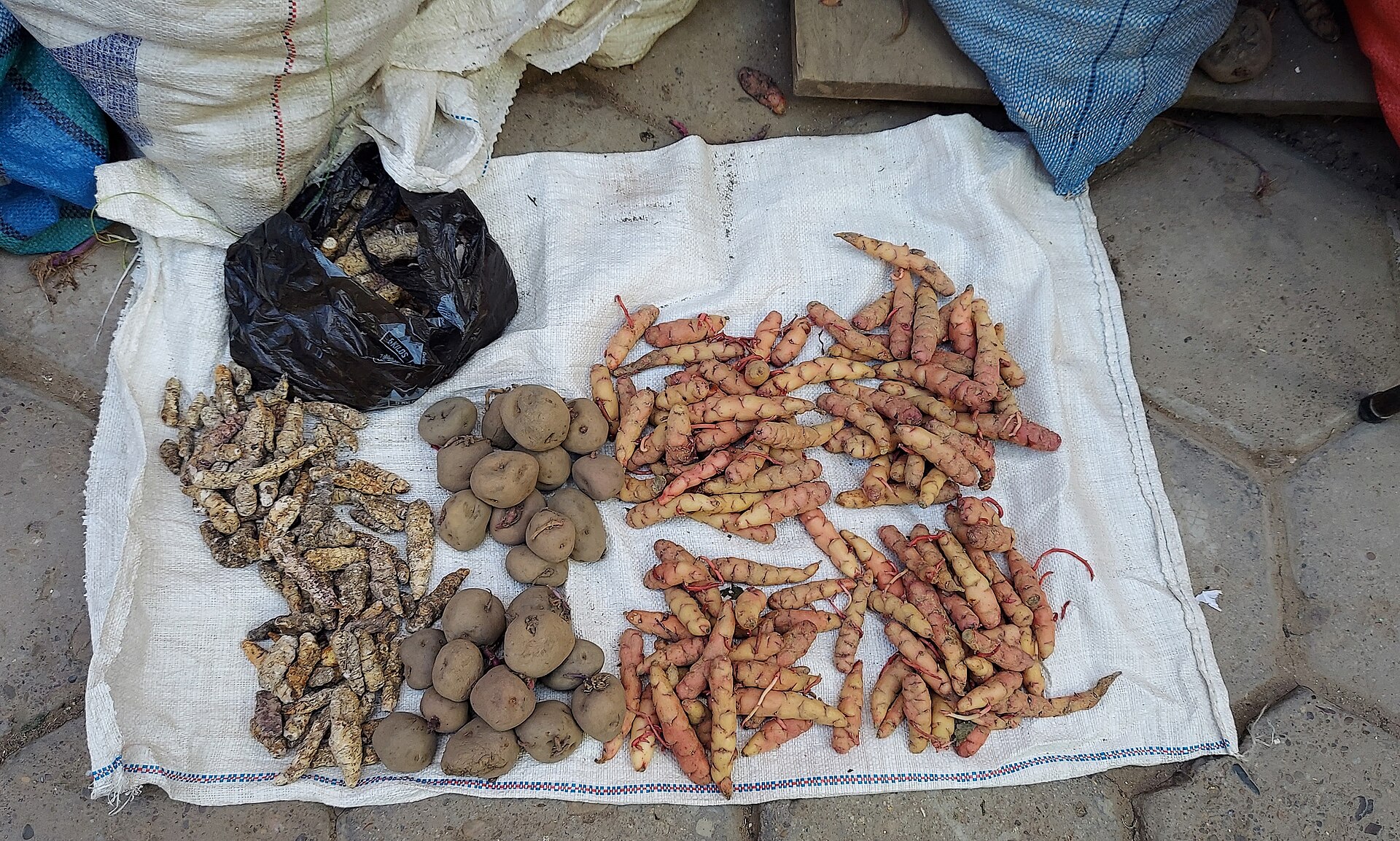
Peru harvested 6.58 million tonnes of potatoes in 2024, twice the 2000 level, as average yields rose to 19.5 t/ha. More than 710,000 families grow the crop.
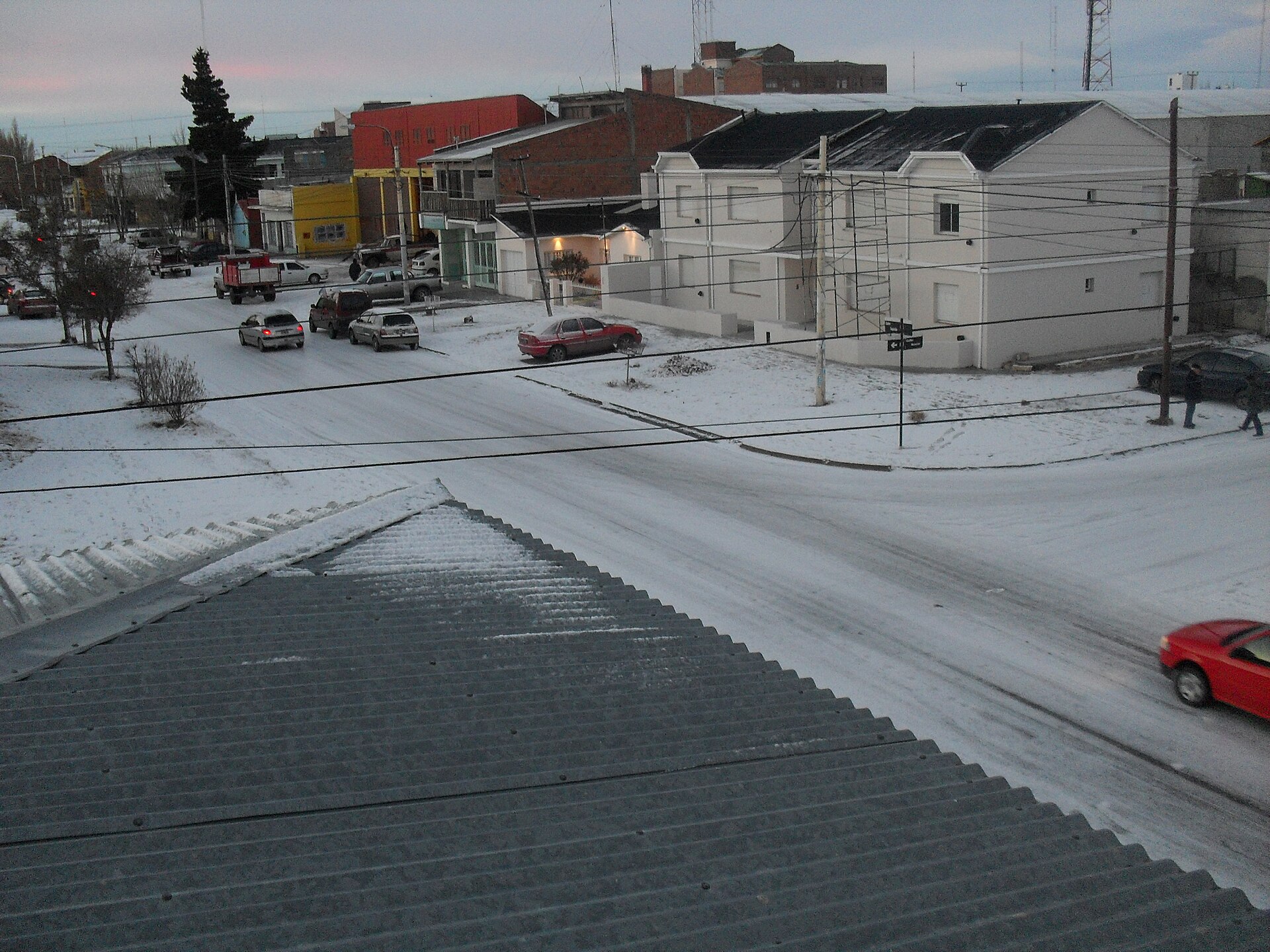
The Patagonian Central Market in Río Gallegos gives local growers free stalls to sell potatoes. A Santa Cruz venture sells fresh-cut potatoes in 5 kg packs for ARS 25,000.