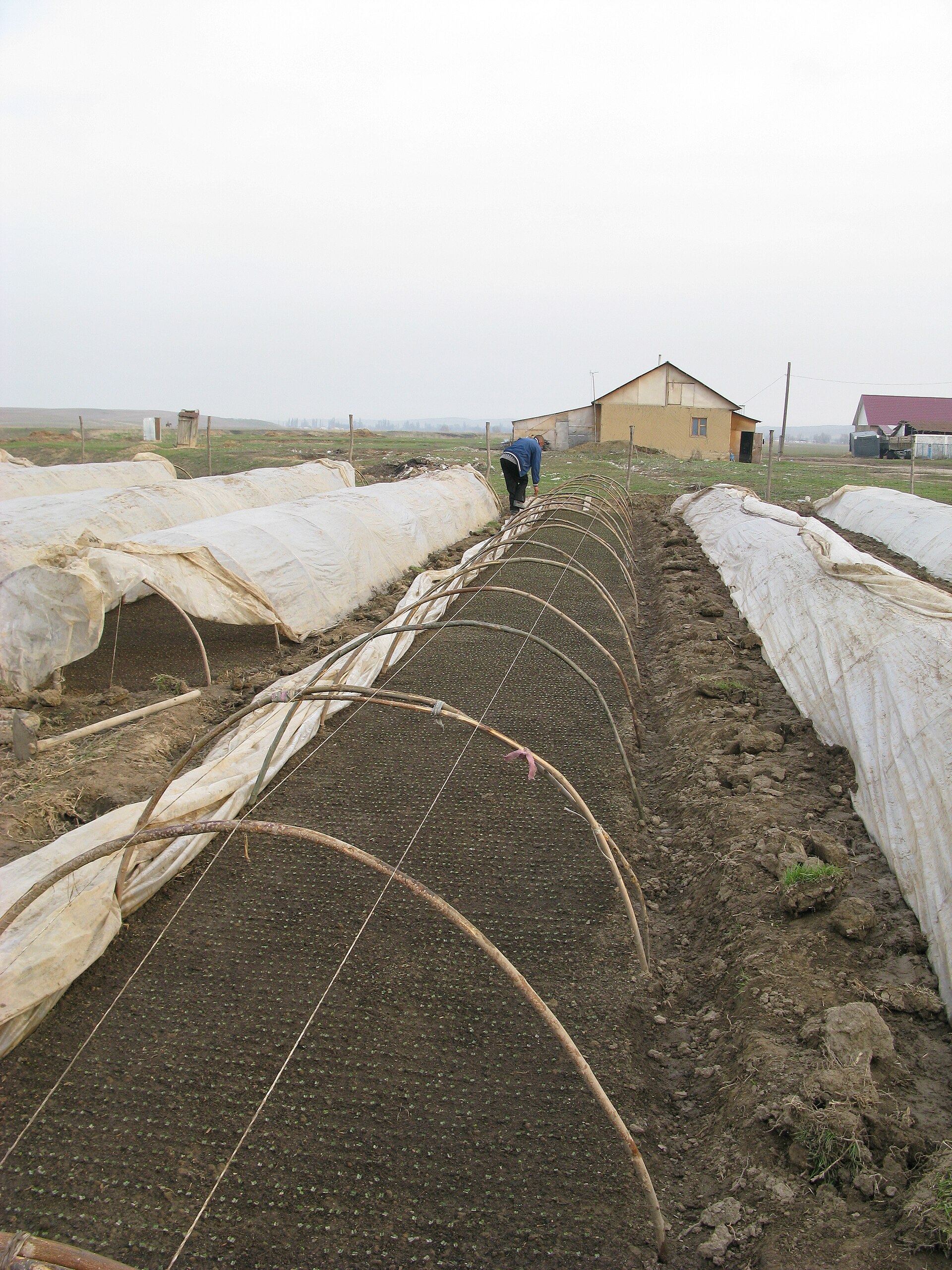
Uzbekistan and Tajikistan bought most of the Kazakh potatoes shipped in the first half of 2026. The growers union expects a crop well above last year, while the ministry is more cautious.
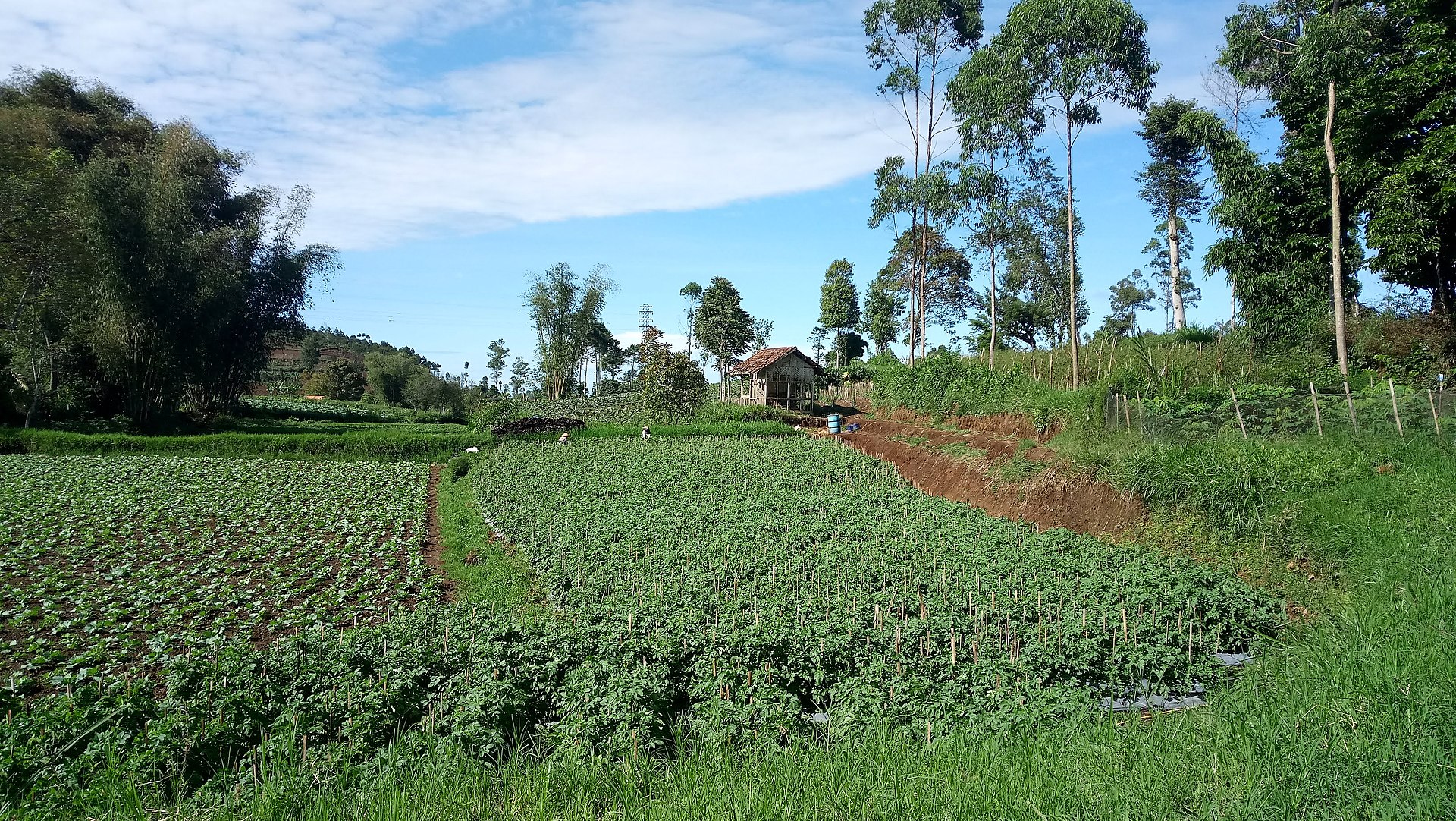
Potato output in Indonesia grew twentyfold after 1961 but has hardly moved in the last decade. Highland farms on Java still dominate, while processed imports supply the fast-food and snack market.
The largest potato producer in the world grows the crop on about 4.5 million hectares. The mountain provinces of the southwest now hold the largest areas, while the north leads in yield and processing.
Growers in the main crop province of Mongolia have harvested just over half of their potato area before the frost. Yields of about 11–15 tonnes per hectare show room for better seed and irrigation.
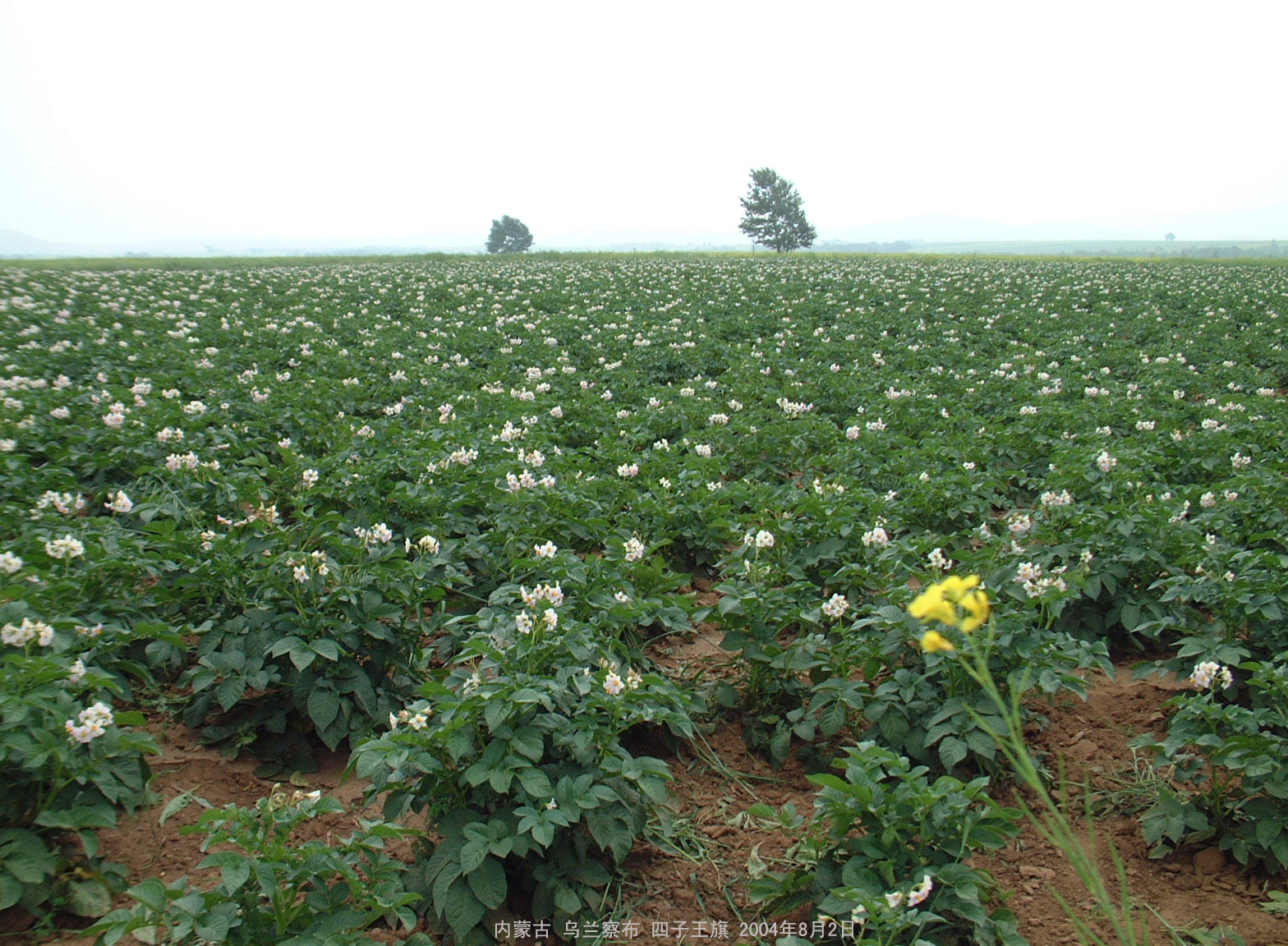
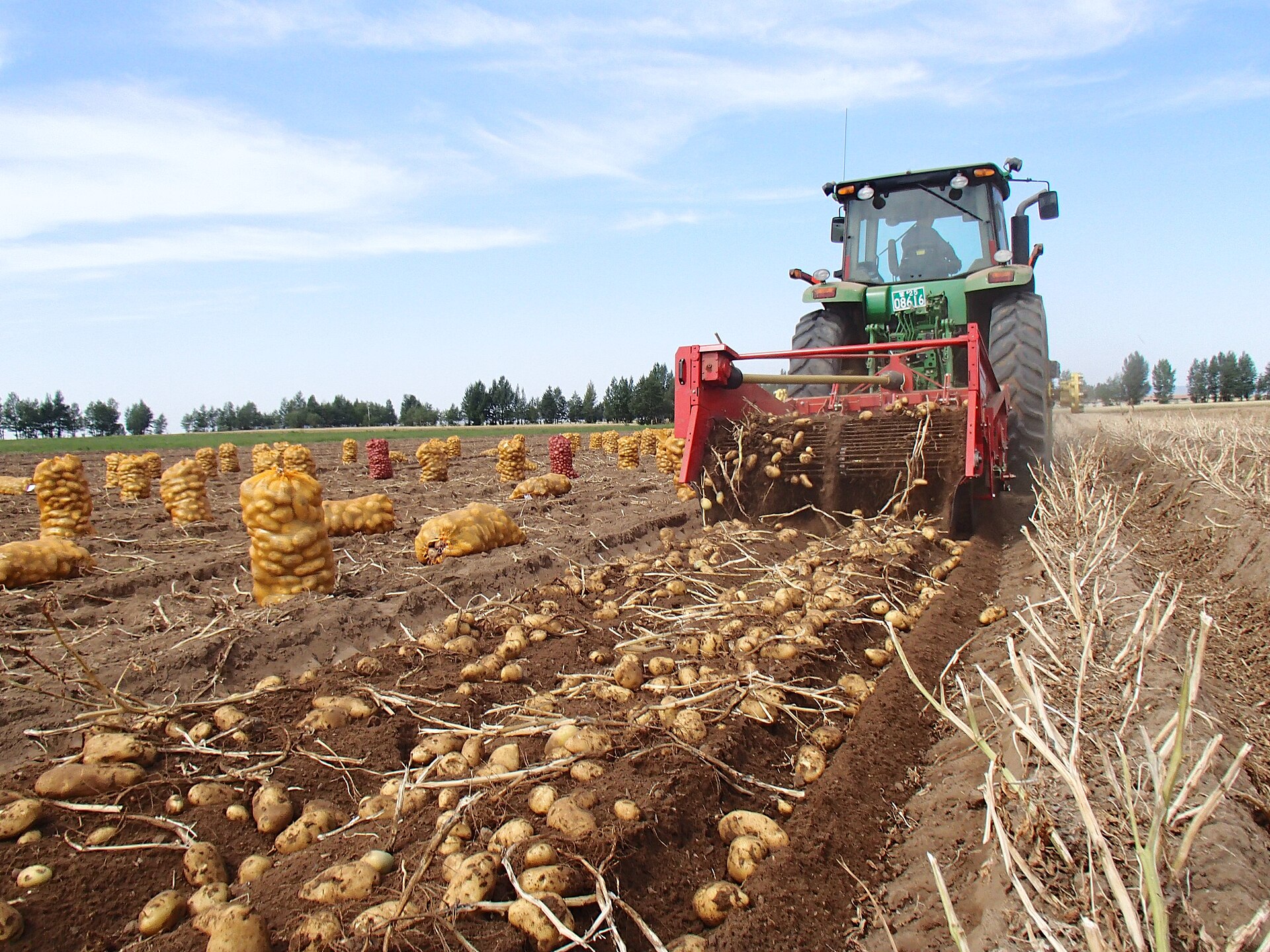
The county near Hohhot expects a bumper crop in 2026, with harvesters and migrant workers in the fields. Small tubers go to starch plants, and part of the crop is exported to Central Asia.
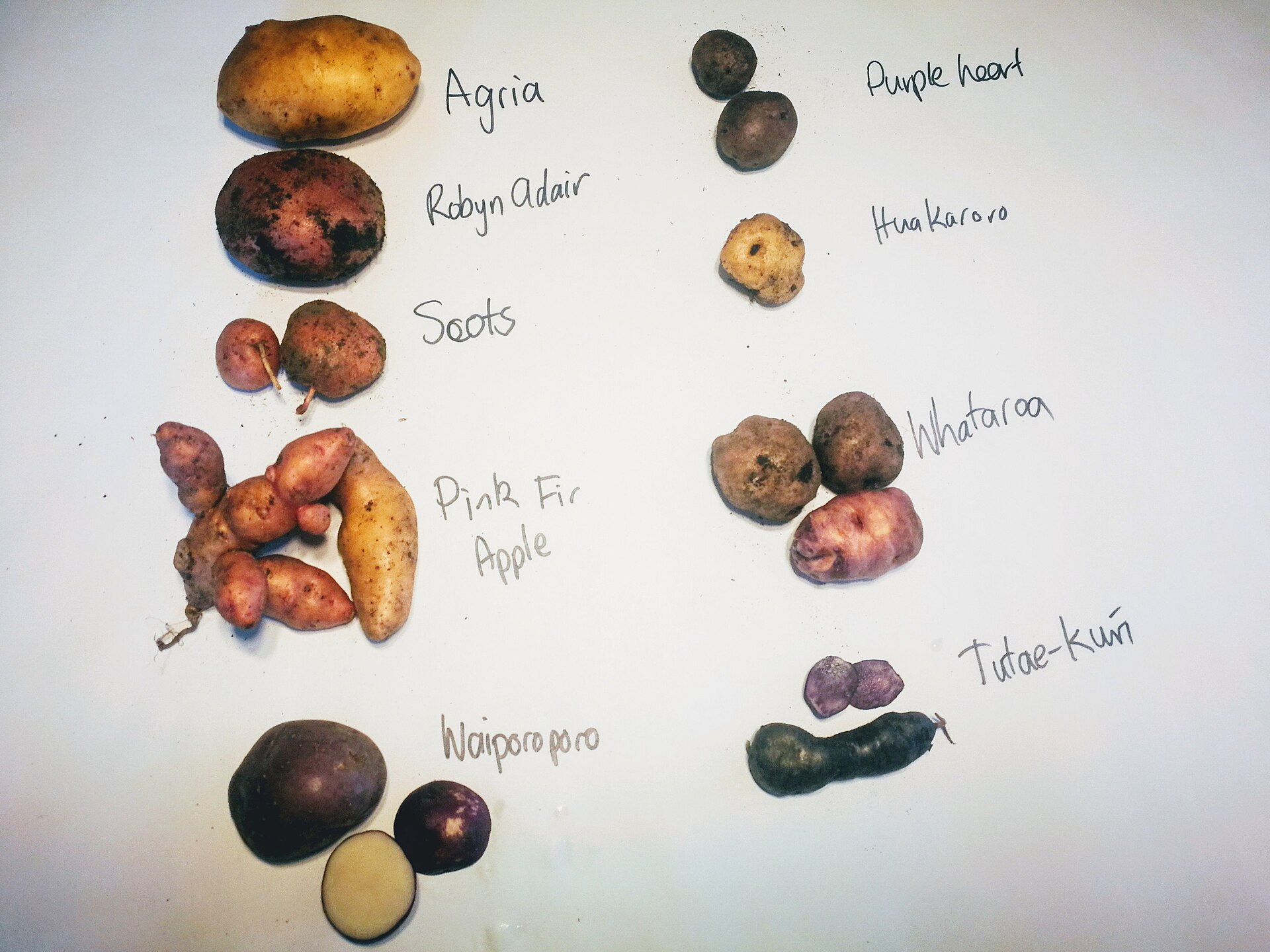
Processing takes more than half of the potato crop in New Zealand. As growers prepare for a drier El Niño spring and summer, irrigation, storage and market development are the main tests for the sector.
Anco van der Bos, a third-generation seed potato grower on the Wadden Sea coast, multiplies Annabelle from single plants and credits the method with few Erwinia problems even in the fifth generation.
A three-source review of potato prices in the week to September 27, 2026: Europe holds at EUR 200-360/t, while Russia, Kazakhstan and Pakistan keep falling.
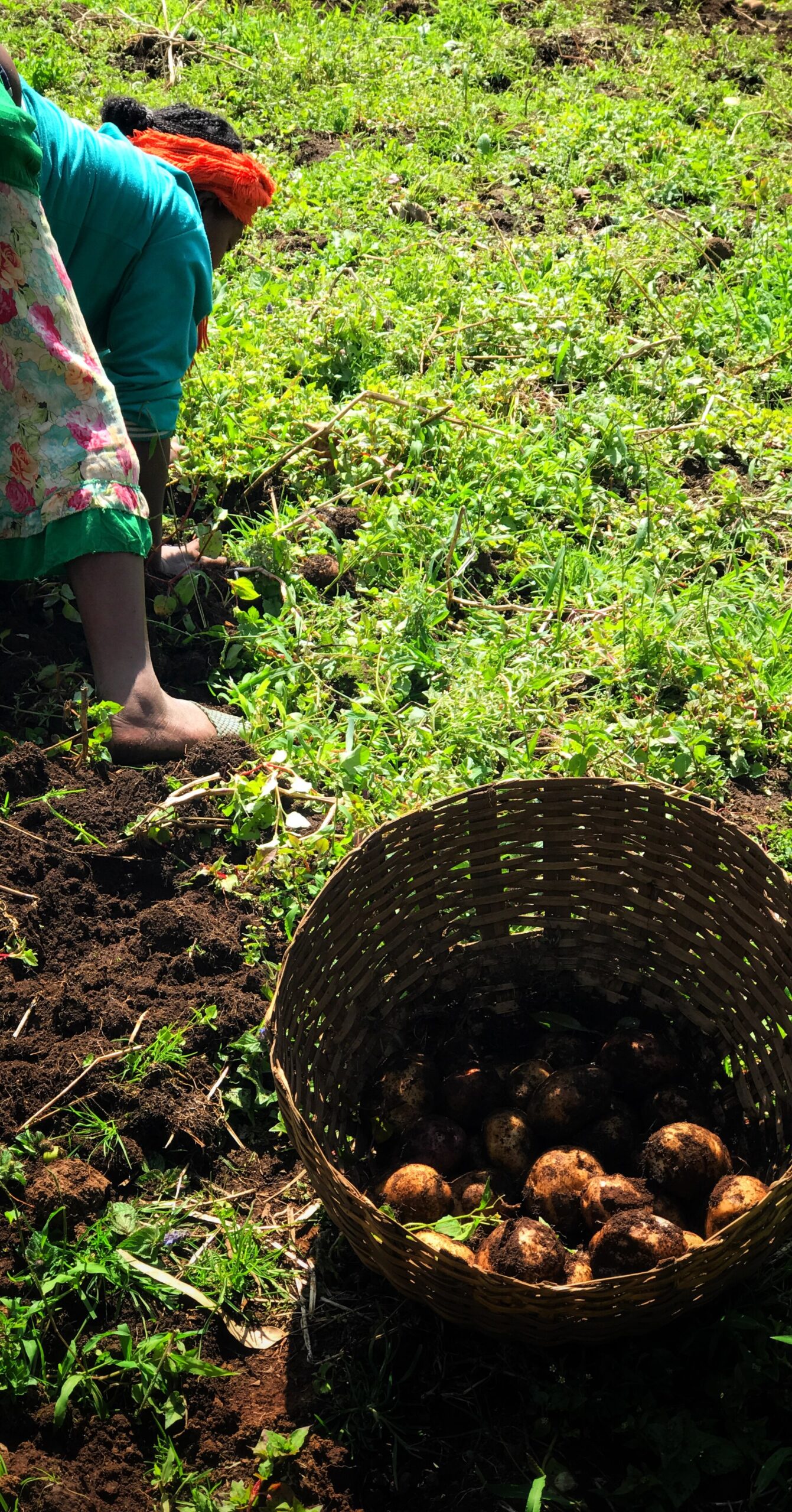
Ethiopia produced 4.09 million tonnes of potatoes in 2024, over ten times the 2000 level, FAOSTAT shows. Yields are about 12 t/ha and post-harvest losses reach 30–40%.
Night frosts often arrive before the harvest is over. Frozen tubers look normal at digging but can start rot in the whole store. Here is what specialists advise.
Seed pieces of 1.5–2.5 ounces (about 43–71 g) give the best returns, extension research shows. Undersized seed cost Idaho growers 50–60 cwt per acre on average.