Wholesale prices for packed potatoes in Emilia-Romagna did not change in late September. A three-year framework contract guarantees growers at least 80% of the seasonal reference price.
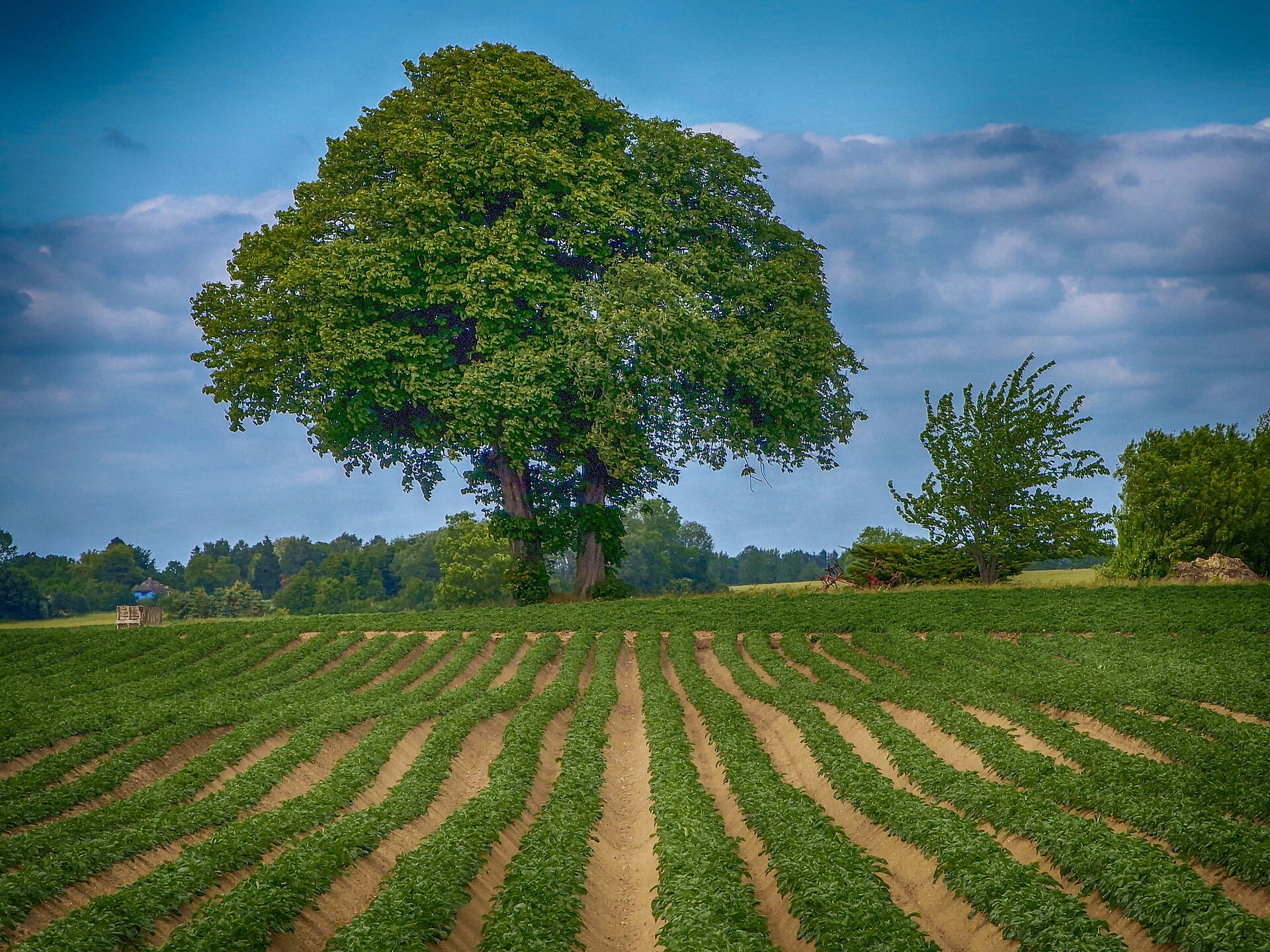
The third trial dig of the season in Danish starch potato fields points to a solid crop. Tuber yield is above the ten-year average, but starch content and starch yield are lower than in 2025.
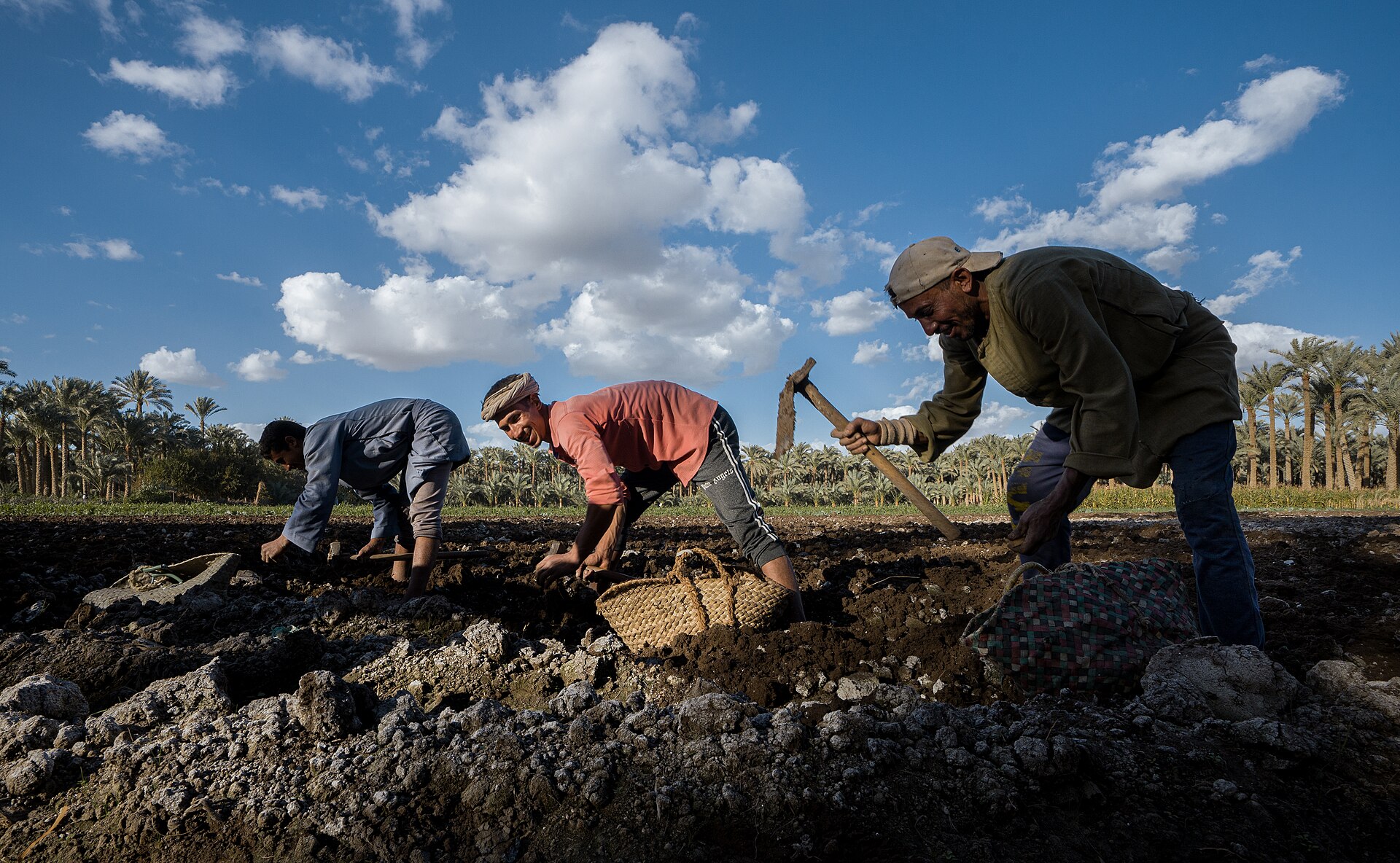
The winter area target of about 205,000 hectares points to large Egyptian supply for Europe and Russia in early 2027. Local G2 seed is sold through cooperatives below the price of imports.
Potato growers raised high costs for seed, irrigation and storage at a ministry meeting on 25 September. An analyst puts this year's area at 95.5% of 2025 and sees lower yields and weak keeping quality.
Potatoes became dearer on Bulgarian wholesale markets for a second week, the commodity exchange commission reported. The ministry sees better yields, but the country still imports about half of its needs.
Belarus remains one of the largest potato producers per person in the world. But its crop has shrunk by almost two thirds since the early 1990s, and small household plots still dominate supply.
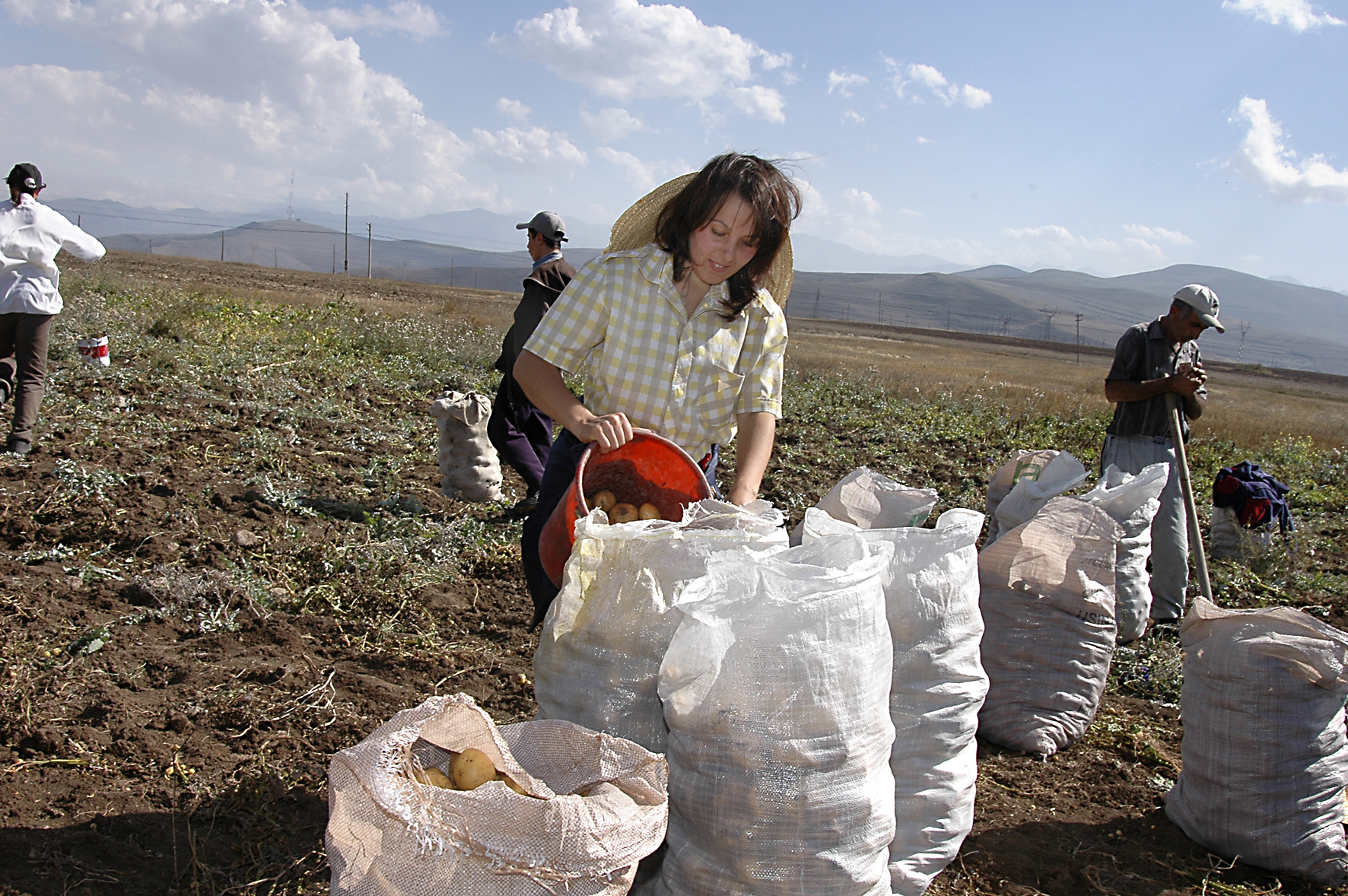
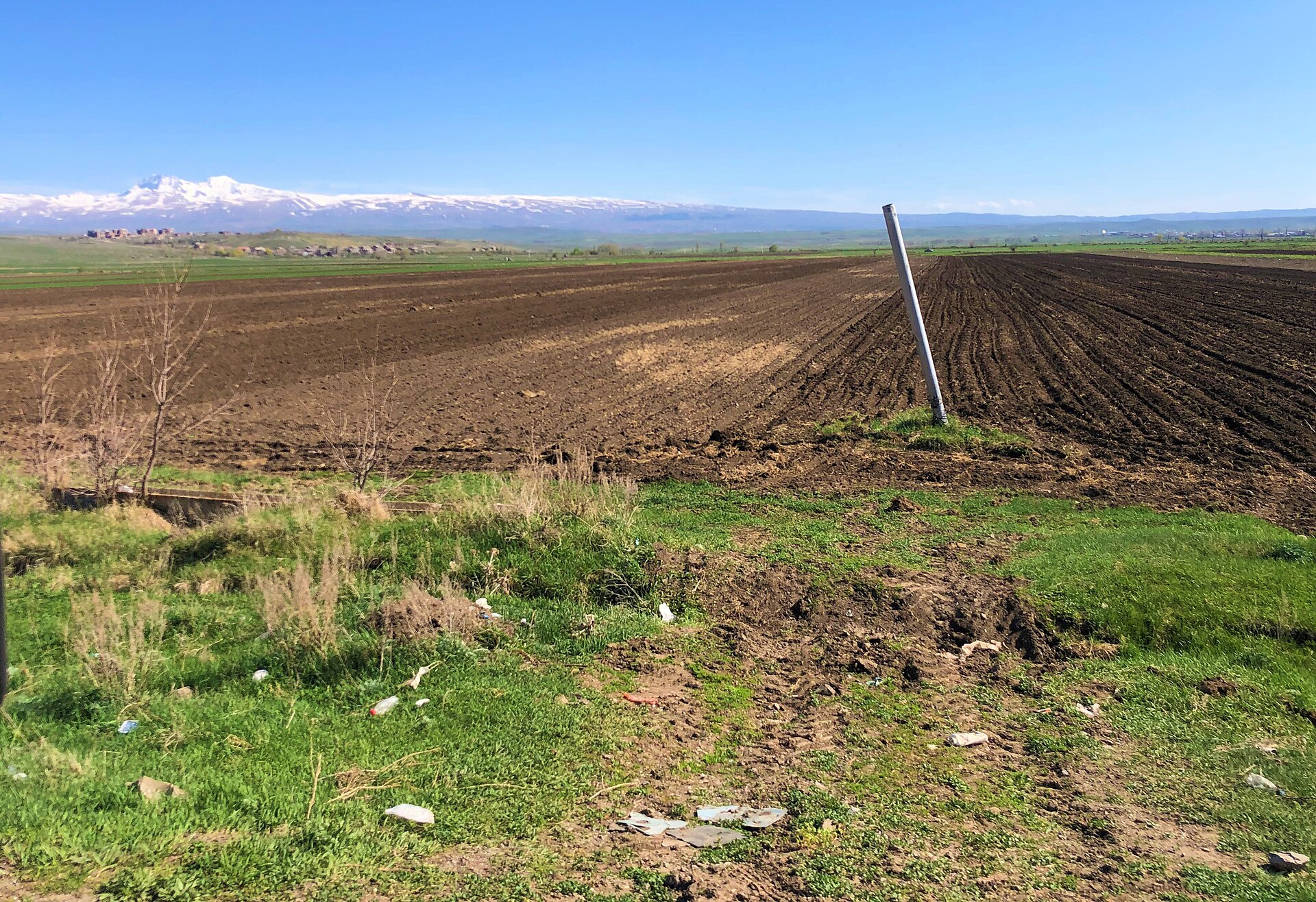
Armenia harvests far fewer potatoes than a decade ago, and yields have slipped. Yet the government says the country has moved from importing ware potatoes to small exports, mostly to Russia.
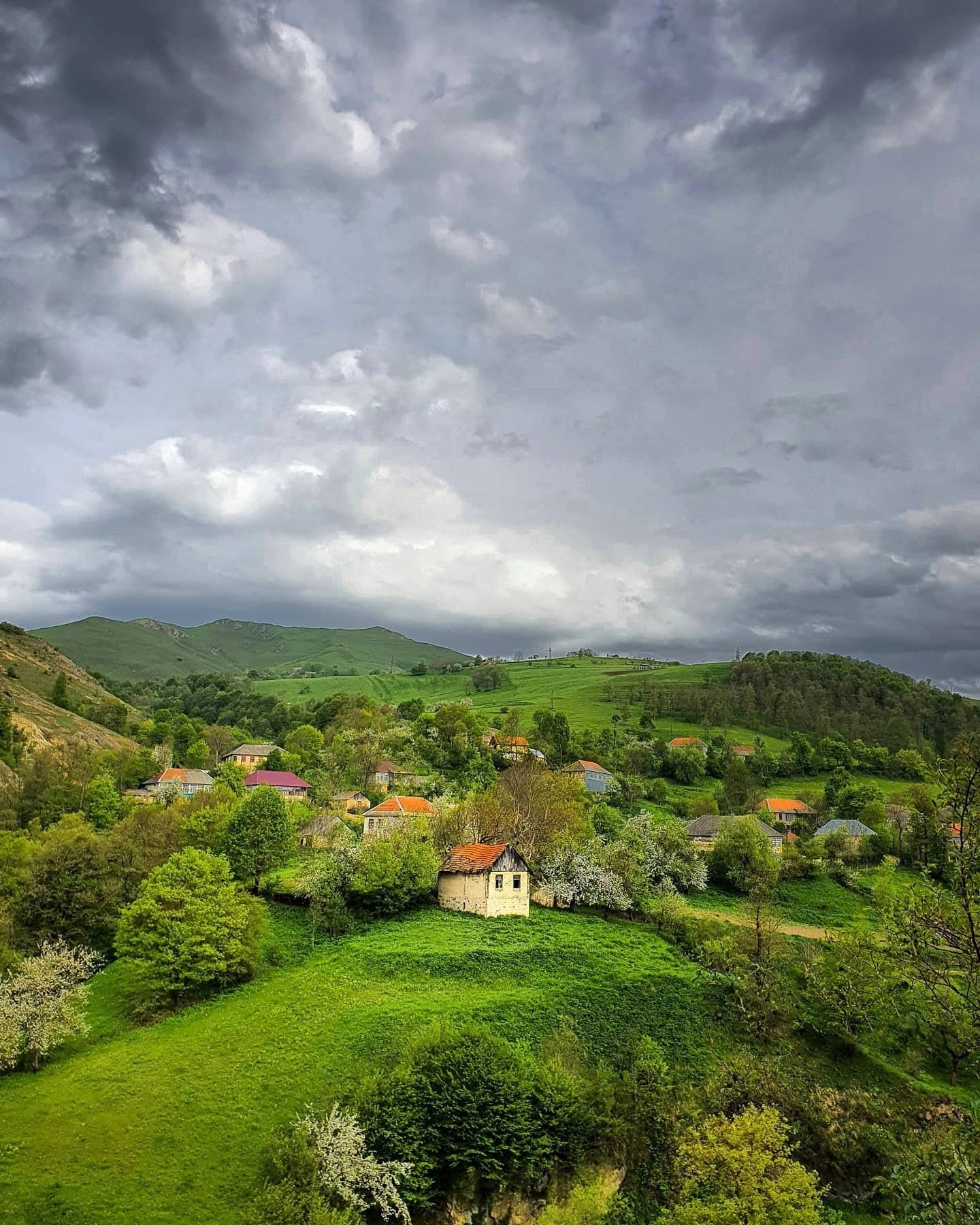
Azerbaijan now grows close to one million tonnes of potatoes a year. The country both exports to Russia and imports large volumes from Iran and Türkiye, and the minister still lists potatoes among weak spots.
Georgia grows potatoes on far less land than 25 years ago, but yields have almost doubled. In early 2025 the country suddenly became a notable exporter to Russia and Azerbaijan.
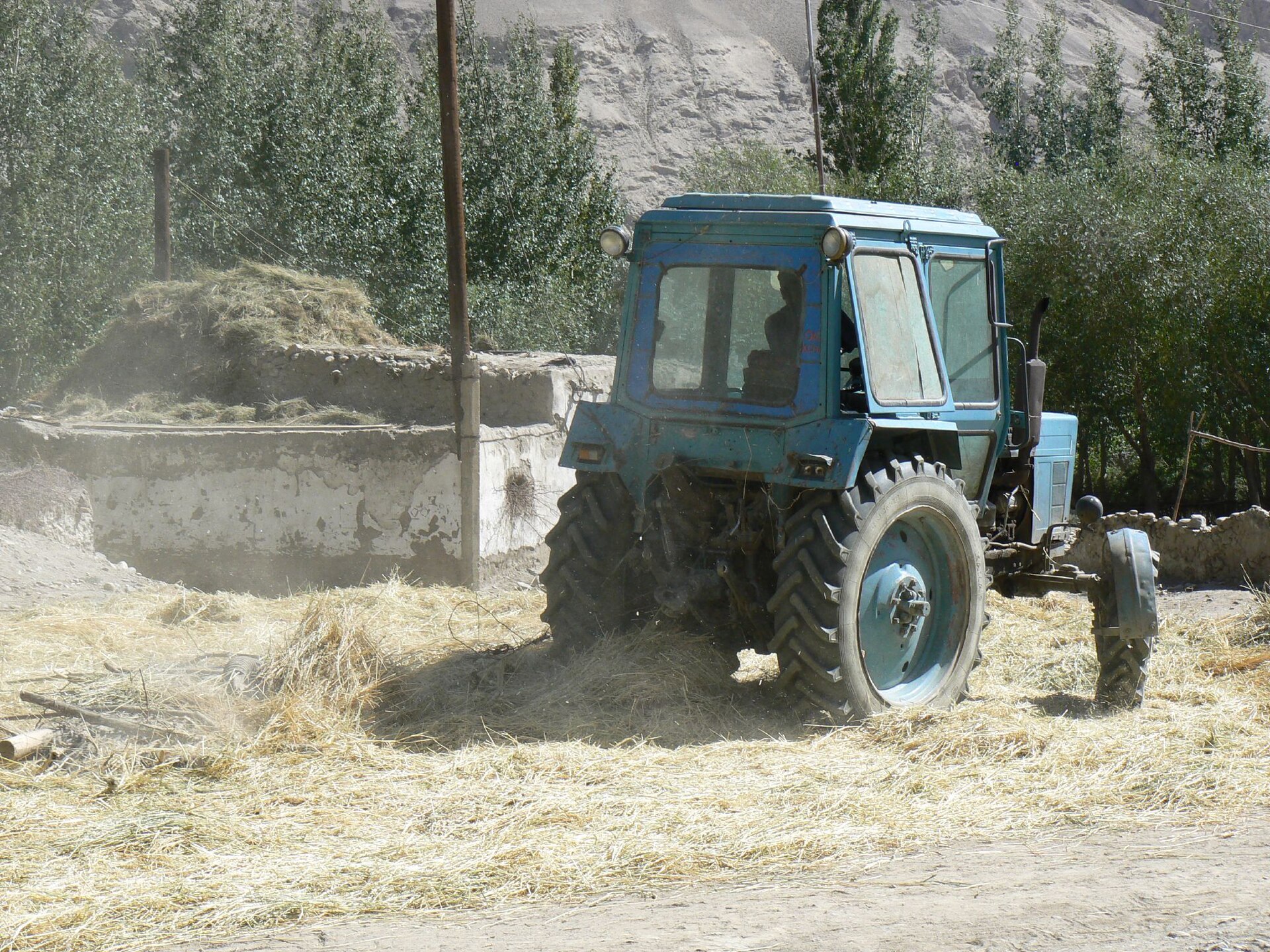
Tajikistan has turned from a small potato grower into a surplus producer in three decades. Seed quality is now the main weak point, and the state is building a seed centre with FAO.
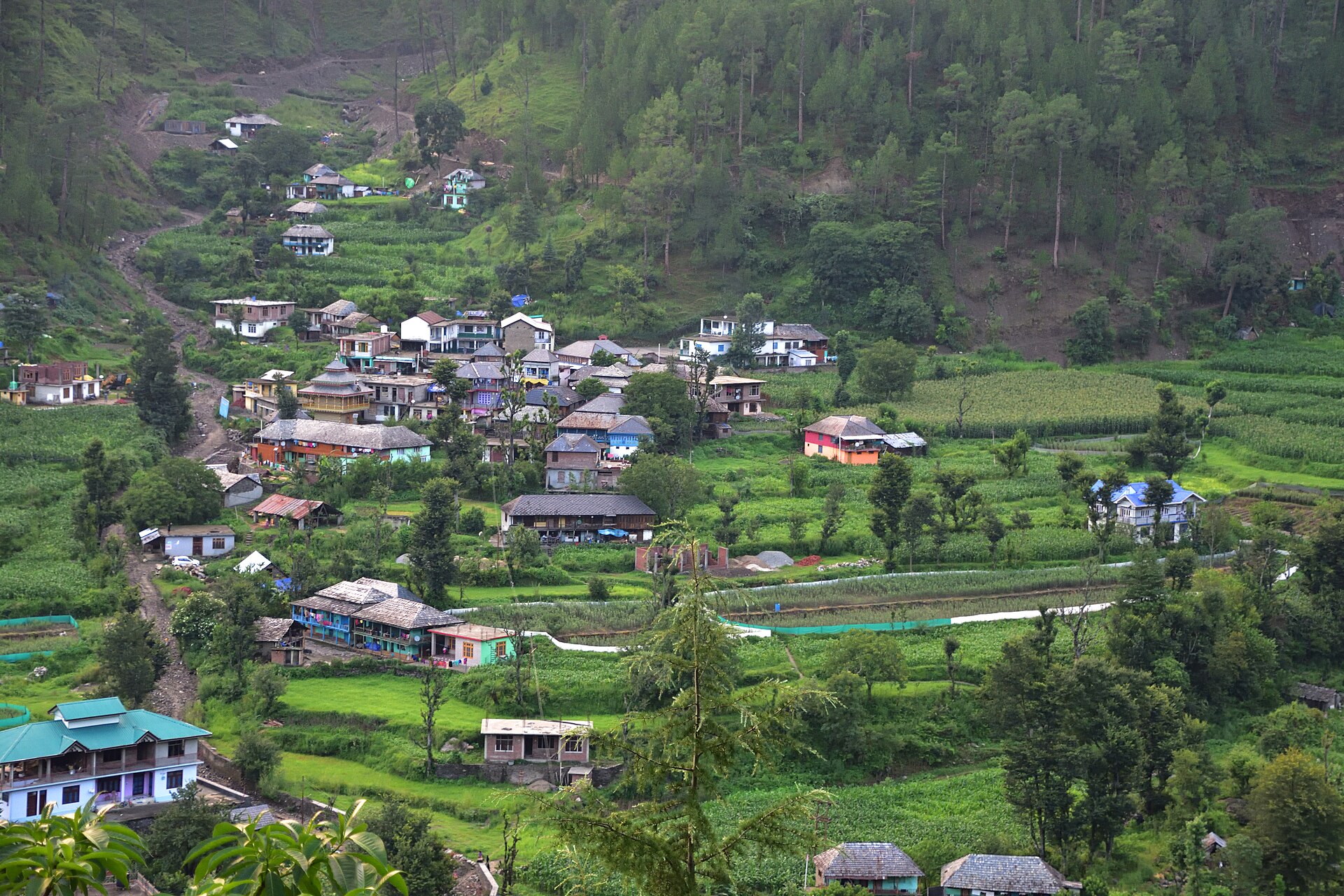
A survey of 200 growers in the hill district shows seed as the largest cost item. Net return reached ₹159,654 per hectare, and larger farms produced each quintal more cheaply.