Bulgaria: Wholesale Potato Price Climbs 8.94% in a Week to €0.64/kg Despite Higher Yields
Potatoes became dearer on Bulgarian wholesale markets for a second week, the commodity exchange commission reported. The ministry sees better yields, but the country still imports about half of its needs.
Potatoes rose by 8.94% on Bulgarian wholesale markets in the latest week, to €0.64 per kg. This is according to the State Commission on Commodity Exchanges and Markets, as reported by Darik Business Review on 26 September.
The general market price index rose by 1.36% to 2,312 points. A week earlier it stood at 2,281 points. Most vegetables and fruit became more expensive at wholesale level, the commission said.
Two weeks earlier the trend was the opposite. On 13 September the news agency BTA reported that potatoes had fallen by 13.68% to €0.53 per kg.
Weekdays. Unsubscribe in one click.
Better yields at home
The Ministry of Agriculture expects a better potato crop than in 2025. Yields were 13% higher than last year, according to its data as of mid-September. The figures were reported by the newspaper Duma on 23 September.
But the domestic crop covers only part of demand. Bulgaria produces about 110,000–115,000 tonnes of potatoes per year, said Todor Zhikov. He is a former chairman of the national potato growers’ association. Total demand, including processing, is about 220,000 tonnes, he told the newspaper 24 Chasa.
About half of the potatoes must therefore be imported, he said. The main suppliers are Poland, Germany, France and Belgium. These countries have had poor crops this year after heat and drought.
Costs and outlook
Growers face much higher costs this season, according to Mr Zhikov. He said fuel is more than 45% dearer than in 2025. Fertilisers and crop protection products cost more than 35% more. Labour costs rose by more than 20%.
He expects prices to double compared with 2025. Last year potatoes traded at about €0.20 per kg, he said. He sees a peak in January and February, when storage costs rise. Prices should then fall when new-crop potatoes from Egypt arrive.
Why it matters
Bulgaria depends on the same western European suppliers that now have a short crop. A better domestic harvest helps, but it cannot replace imports. Wholesale buyers should expect firm prices through the winter.
For Bulgarian growers with storage, this is a chance to earn more. But input costs have risen sharply. The price gain may not fully cover these costs.
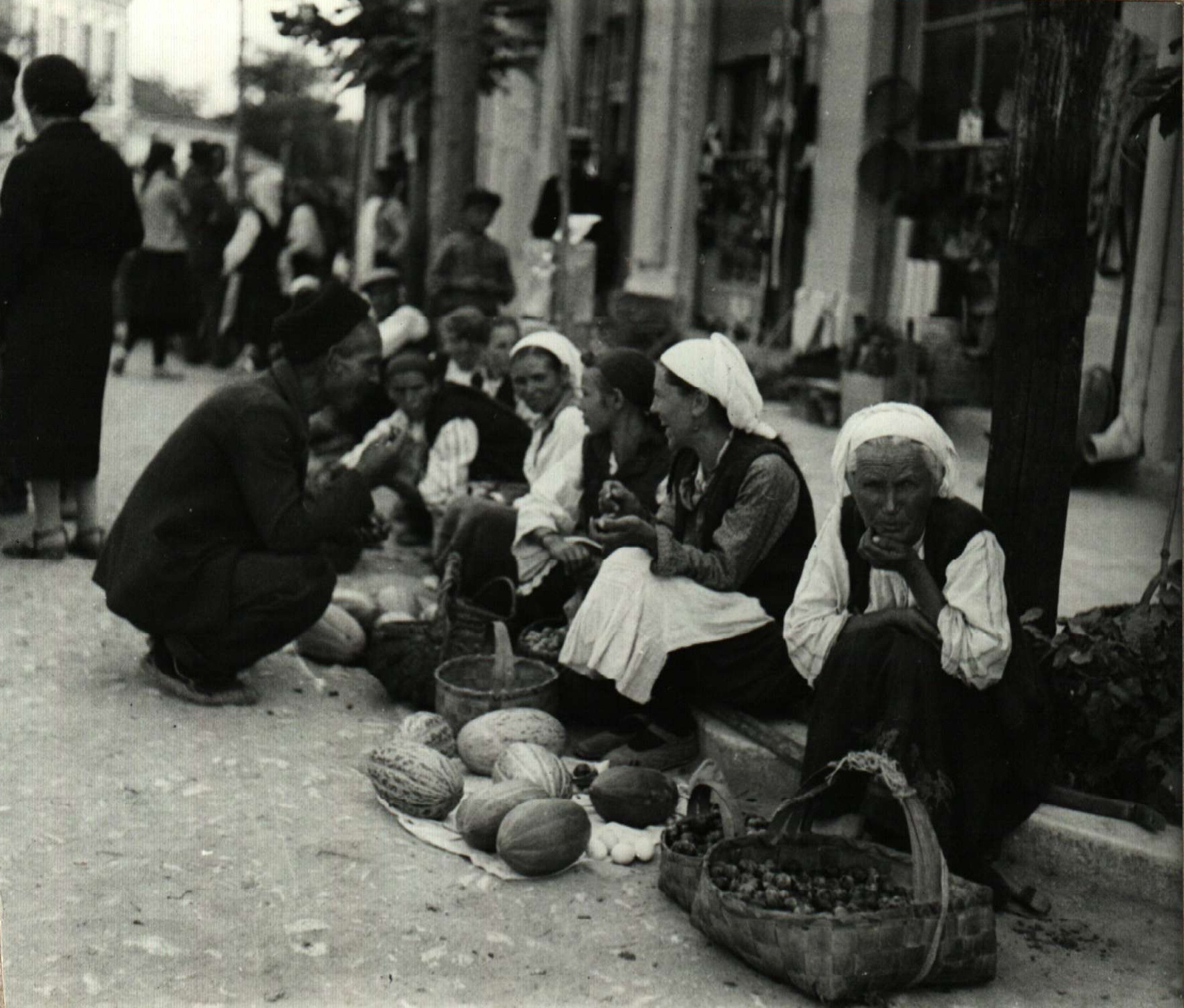
Photo: A market in Sofia, Bulgaria (historical photo) (illustrative). Unknown author / Wikimedia Commons, Public domain