Argentina: Patagonian Wholesale Market Backs Local Potatoes to Cut Freight Costs
The Patagonian Central Market in Río Gallegos gives local growers free stalls to sell potatoes. A Santa Cruz venture sells fresh-cut potatoes in 5 kg packs for ARS 25,000.
A wholesale market in southern Patagonia is promoting potatoes grown in Santa Cruz province. The Patagonian Central Market (Mercado Concentrador Patagónico) operates in Río Gallegos. It wants to shorten the supply chain and lower prices.
The regional newspaper La Opinión Austral reported on the market. The Argenpapa portal republished the report on 13 September.
Potatoes from far away
Most potatoes still travel long distances. The market receives produce from Buenos Aires, Entre Ríos, Corrientes, Mendoza and Río Colorado. One trader offers five potato varieties at a single stall.
Weekdays. Unsubscribe in one click.
Distance has a strong effect on prices in Santa Cruz. Local production aims to reduce transport costs from other provinces, the report said.
The market combines wholesale and retail sales. It links producers, traders and consumers directly. To support local growers, the market gives them stalls with a 100% fee discount. Recent promotions created strong sales and required faster restocking, said Eugenio Grela, the commercial director.
A local fresh-cut product
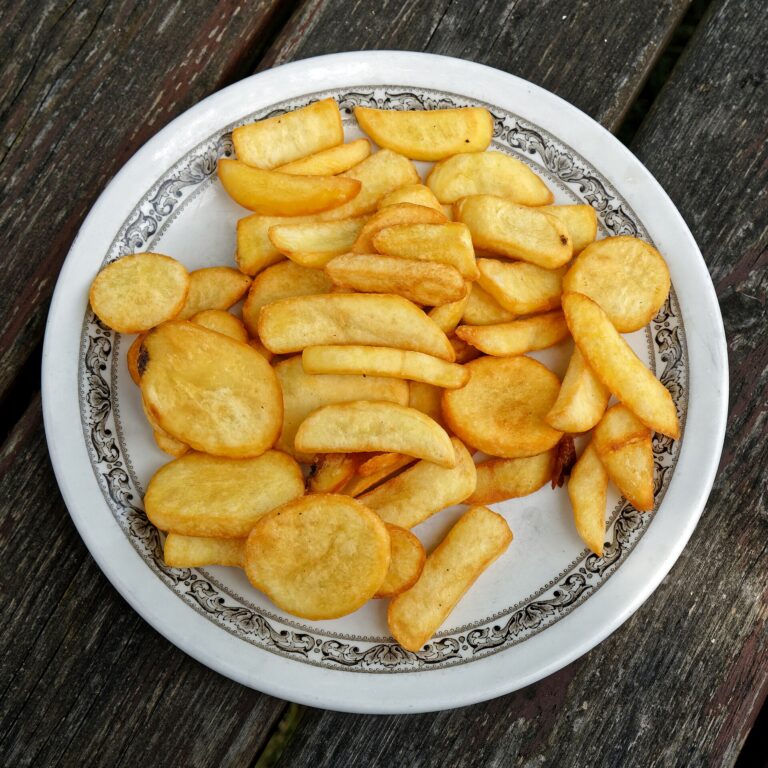
One local business grows potatoes in Santa Cruz. It also runs a processing plant in El Calafate. The plant sells fresh-cut potatoes in three shapes: sticks, lattice and cubes.
The product keeps for seven to nine days in a normal fridge. Buyers can also freeze it later. A 5 kg pack sells for ARS 25,000, or ARS 5,000 per kg.
This price is for a peeled and cut product. It is not comparable with raw potatoes sold in bags in Buenos Aires.
Why it matters
Patagonia depends on potatoes trucked from the north. Freight adds a large share to the final price. Local production and fresh-cut processing can keep more value in the region.
The model is still small. The report gives no figures on local area or volumes. But free stalls and direct sales give local growers a way to test demand before they invest more.
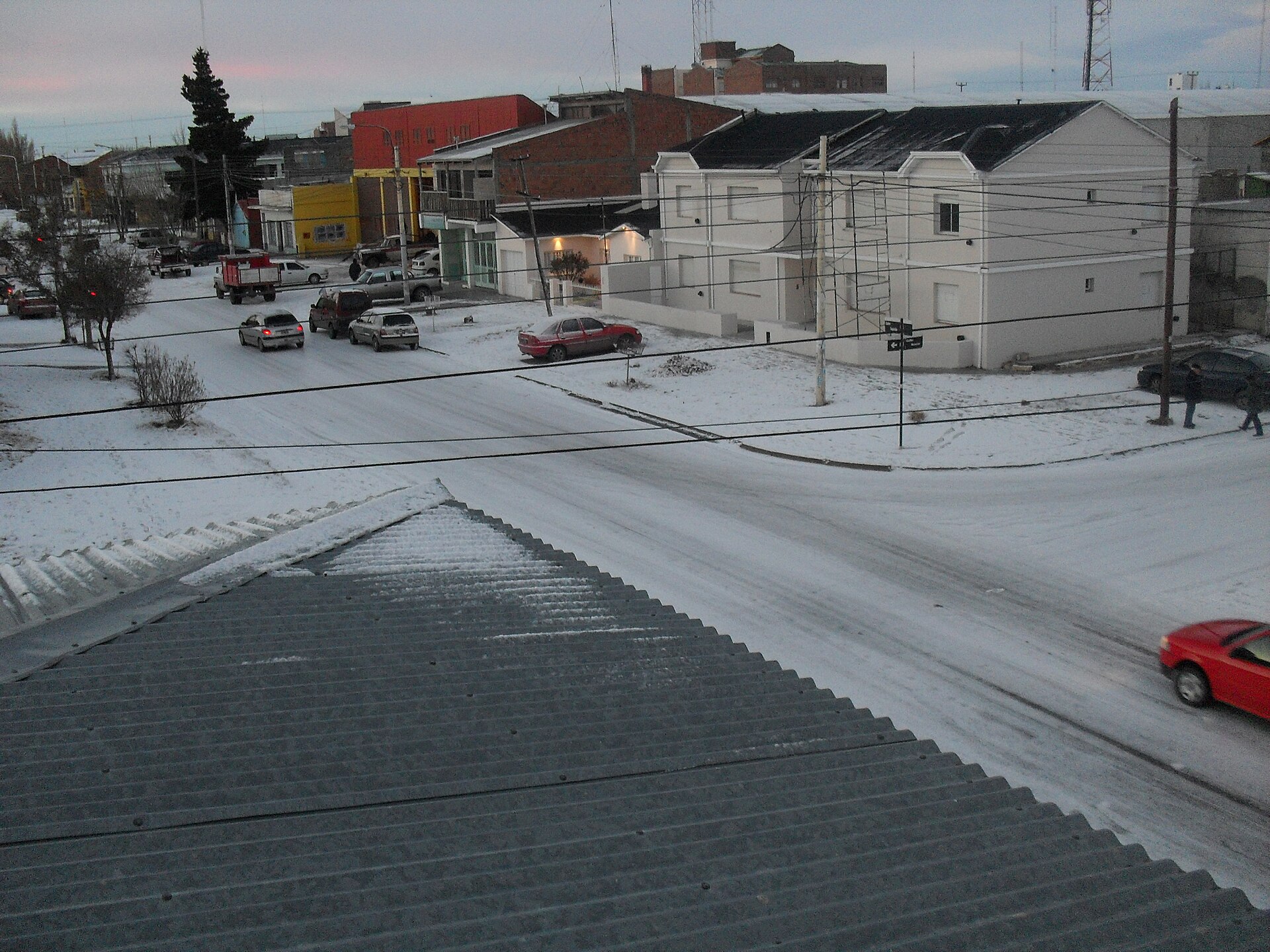
Photo: Río Gallegos, Santa Cruz province, Patagonia, Argentina (illustrative). Tractoramolida / Wikimedia Commons, CC BY-SA 3.0