For growers now planting in the Southern hemisphere, the scab decision comes a few weeks after emergence. Irrigation research from the UK and North Dakota shows a short window when moist soil protects young tubers.
Soft rot bacteria live on most potato crops and wait for warmth, wounds and a lack of oxygen. Extension guidance explains which temperatures and handling steps turn a small problem into a wet store.
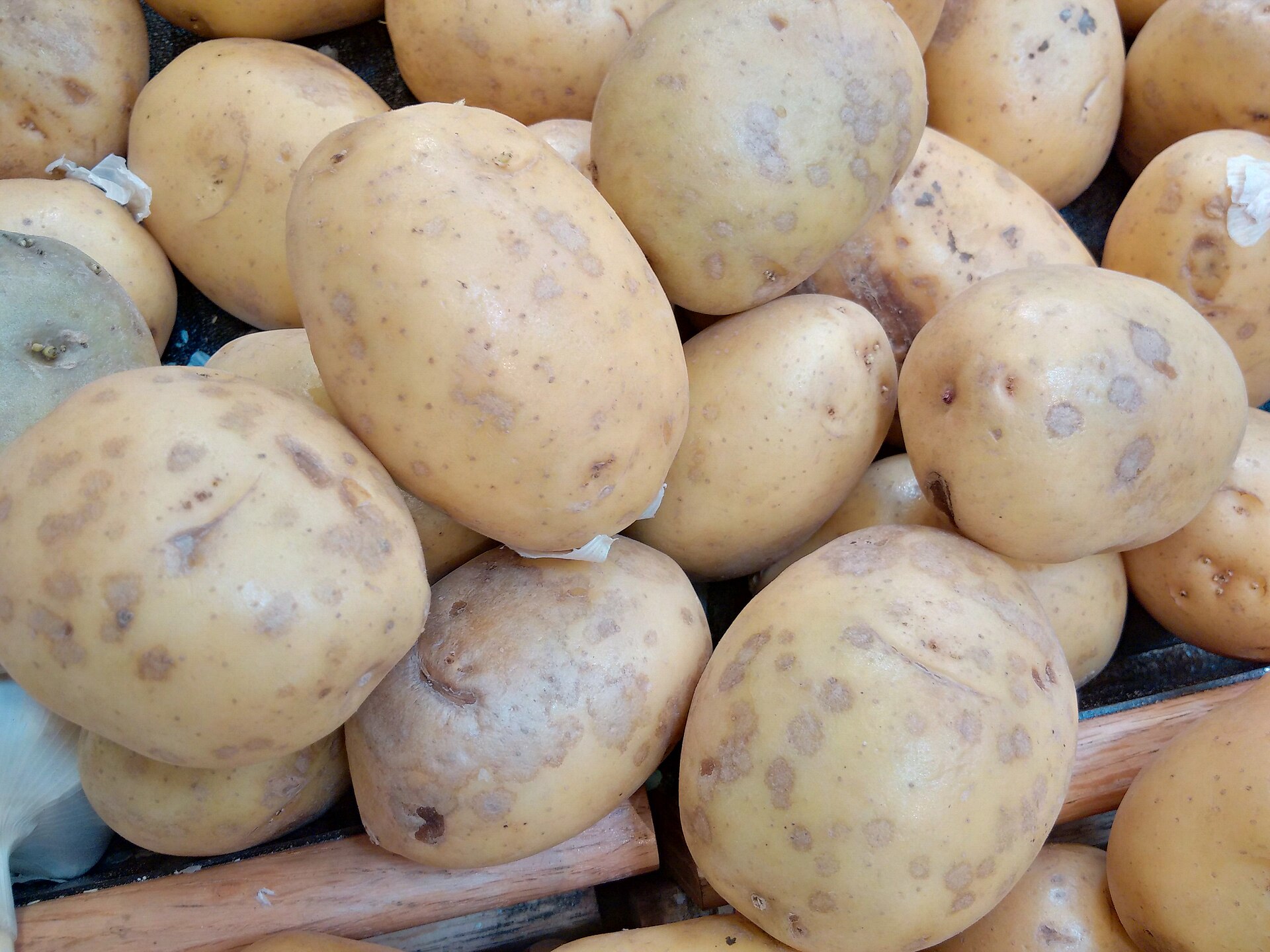
Silver scurf damages skin finish rather than yield, but it can ruin packing and washing grades. Extension advice links the disease to early lifting, fast cooling and control of condensation.
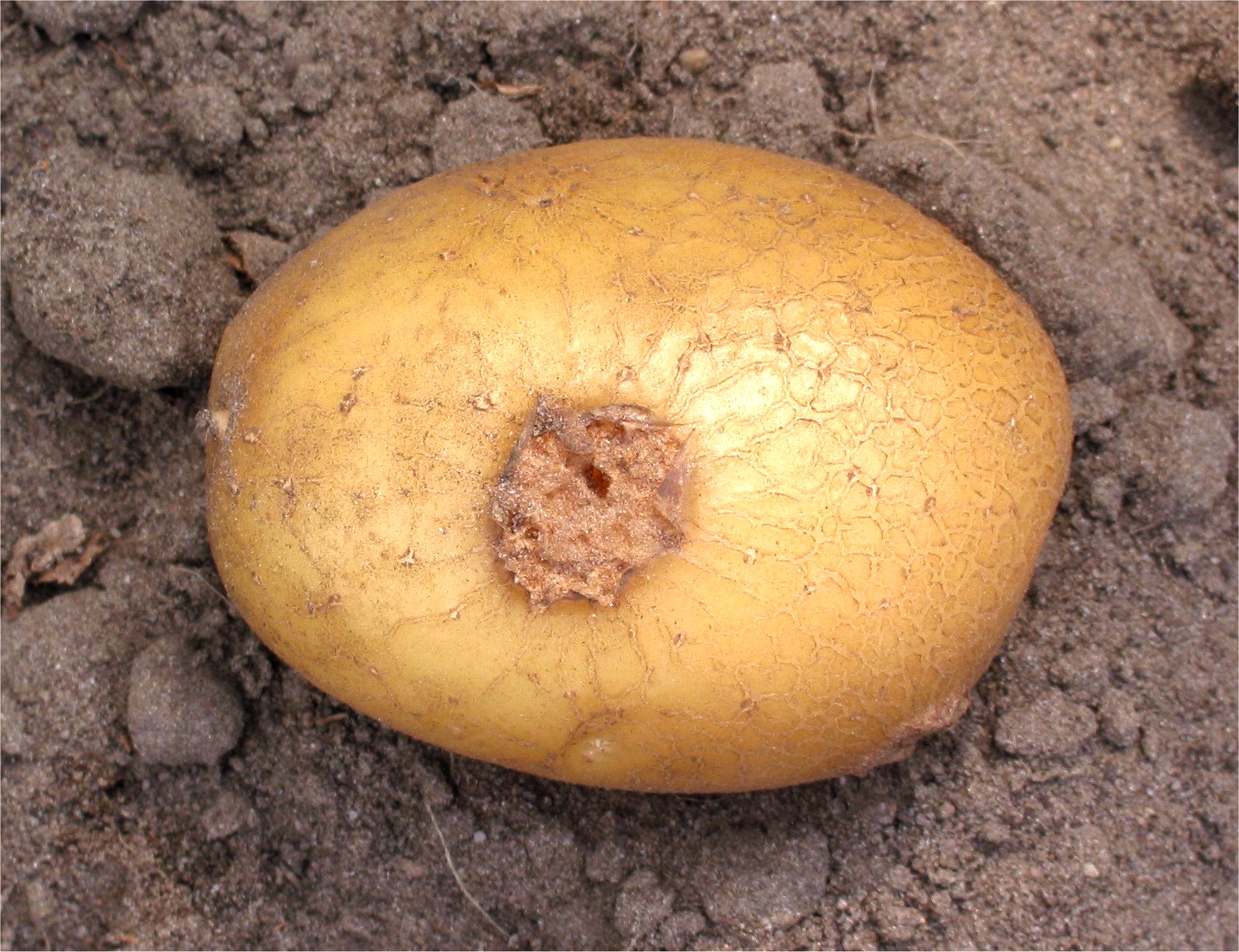
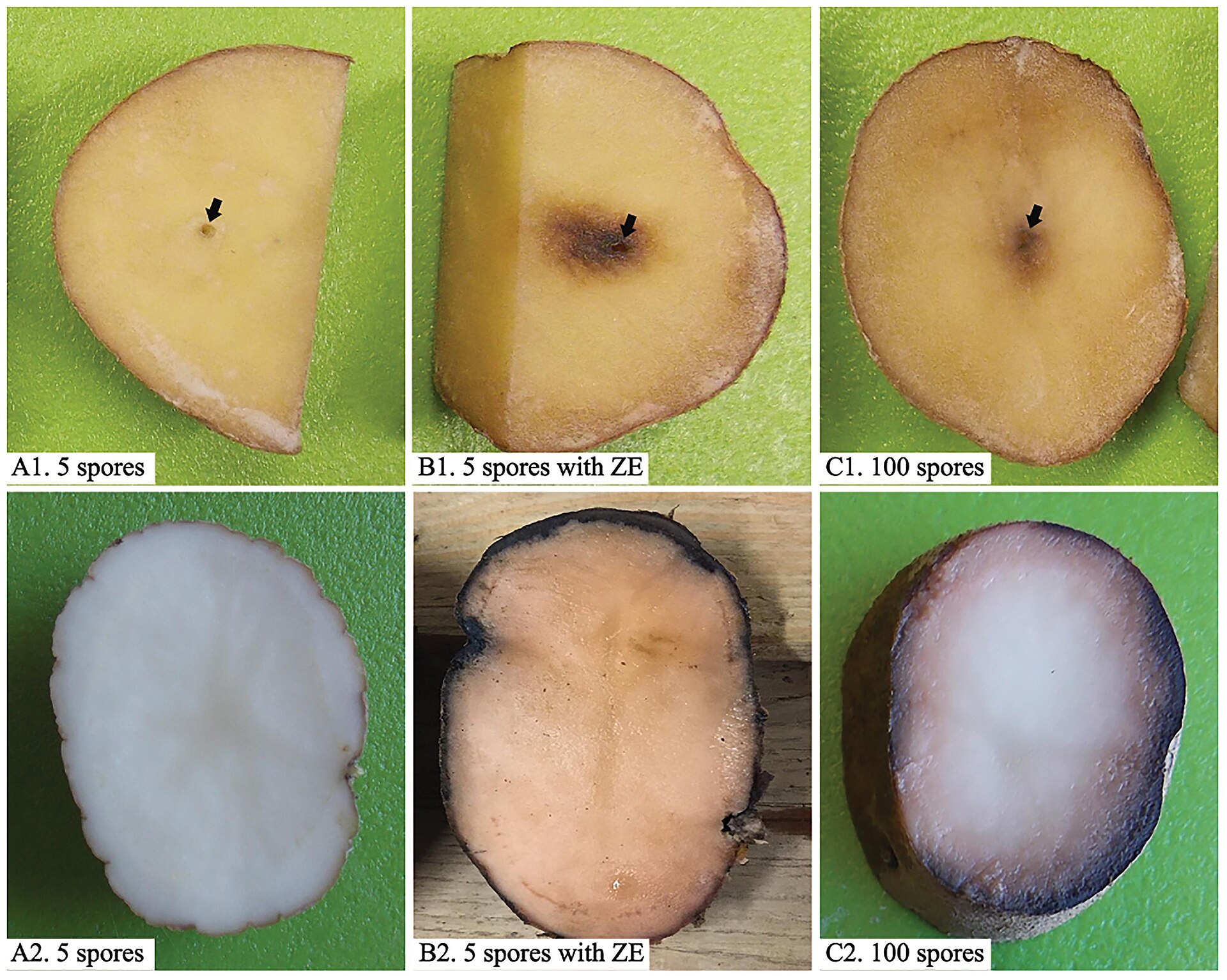
Dry rot enters through harvest wounds and grows slowly for months in store. Extension services in Idaho, New York and California describe the losses, the resistance problem and the steps that still work.
Two water-borne tuber rots can destroy a warm, wet harvest within days. Extension guidance from Maine and California sets the same simple harvest limit: tuber pulp below 65°F, or about 18°C.
With CIPC gone, maleic hydrazide is a field-applied base for sprout control. It delivers 3 kg/ha in one application, ideally about five weeks before haulm destruction.
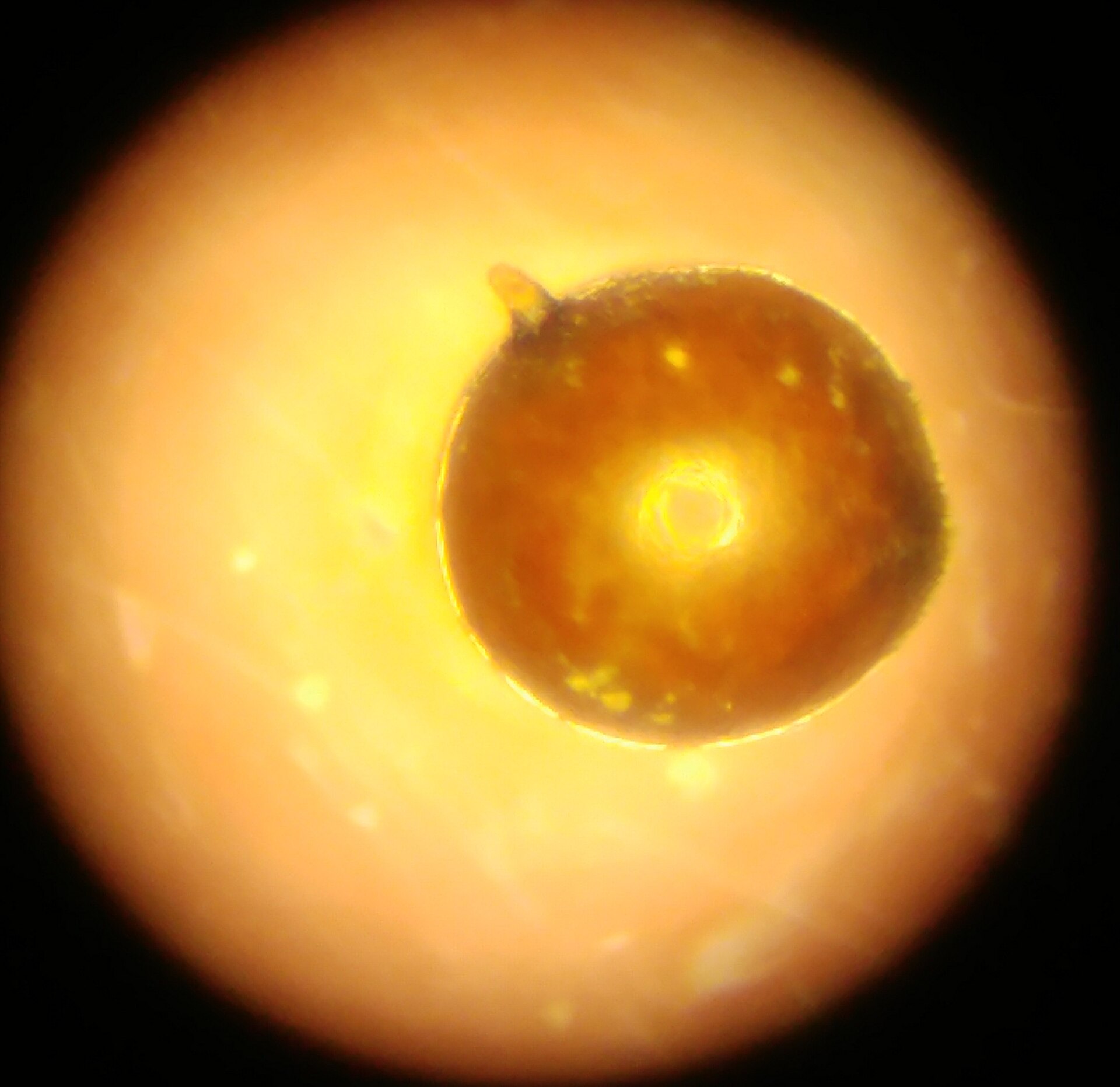
Globodera pallida populations fall only 10–30% a year without potatoes, while susceptible crops can multiply them 46–100 fold. Rotation alone takes at least eight years.
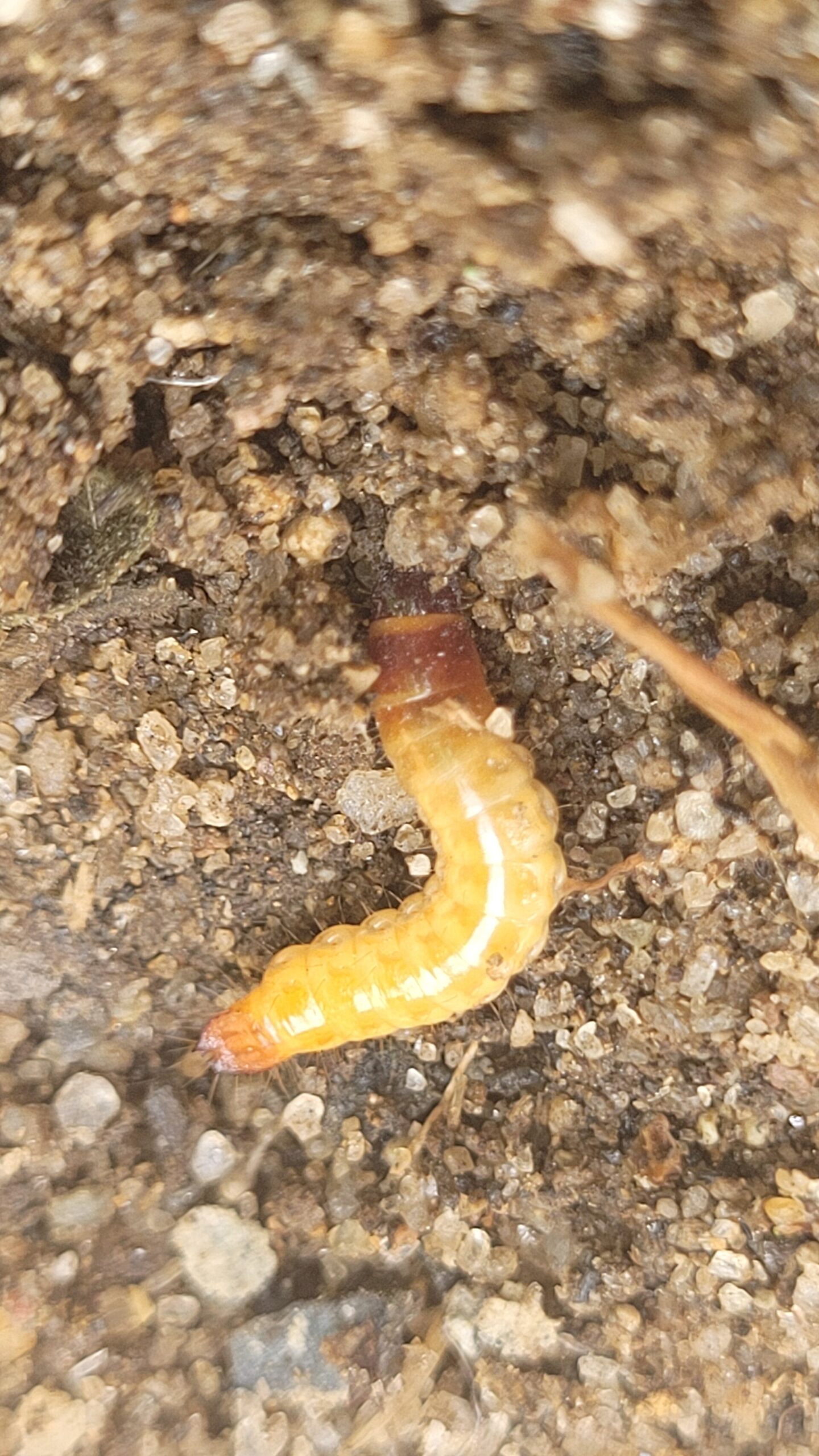
Extension services in the UK and California agree: fields within two years of grass carry the highest wireworm risk. One larva in 20 soil cores can signal about 60,000 per hectare.
Field trials in Finland, Canada and Belgium show that mineral oil reduces potato virus Y spread in seed crops, but not fully. Straw mulch and oil-insecticide mixes add protection.
EuroBlight early 2025 data show EU_36_A2 down to 34% of samples, while EU_43_A1, resistant to CAA and OSBPI fungicides, rose to 12%. France has the highest share.
The US Environmental Protection Agency has registered Bifender Duo, a soil insecticide and nematicide that pairs bifenthrin with a biological active ingredient, according to the company.
French potato leaders say drought created no winners: seed yields fell to 12 t/ha on dry land, and growers short of contract volumes will not be paid for missing tonnes.