
Test-Tube Potatoes: Omsk Scientists Introduce Biotechnology to Boost Yields by 30%
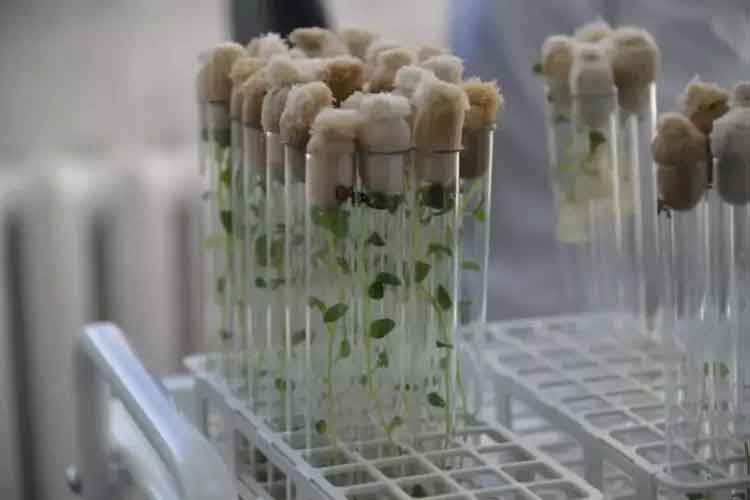
In the Omsk region, scientists and agronomists are successfully implementing an advanced method of growing seed potatoes “from test tubes” — a meristem tissue culture technology known as in vitro. This biotechnology makes it possible to fully sanitize planting material and increase commercial crop yields by 20–30 percent. The work is being carried out at two key facilities in the region: laboratories established at the Elita-Kartofel company and the Omsk Agrarian Scientific Center (Omsk ANC). The essence of the method involves growing plants in completely sterile laboratory conditions, eliminating any contact with soil pathogens and viruses. Specialists extract a microscopic apical meristem from a potato shoot — a “biological zero” guaranteed to be infection-free — and place it in a nutrient medium, where under controlled lighting and temperature, a completely healthy plant regenerates.
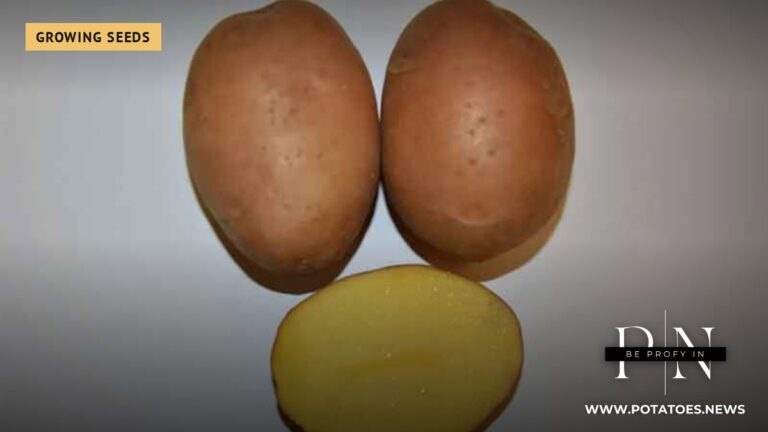
The main advantage of this approach is its tremendous propagation speed: from a single mother plant in one season, thousands of genetically identical and fully sanitized specimens can be obtained. This opens the way for accelerated multiplication of consumer-demanded varieties. Scientists at Omsk ANC have already developed hybrids combining high yield with disease resistance. Two varieties have proven themselves particularly well: “Khozyayushka,” with its high starch content making it ideal for culinary processing, and the early-ripening “Alyona,” which delivers the first harvest as early as the second half of July. Concurrently, laboratories are conducting comprehensive research to evaluate the suitability of these varieties for mechanical harvesting and deep industrial processing, including the production of chips and other finished products. These efforts align with the strategic objectives of the national project “Technological Support for Food Security.”