Brazil's potato crop is now almost four times larger than in 1961. Official 2024 data show a strong concentration in Minas Gerais and large farms, while only about a tenth of the crop goes to processing.
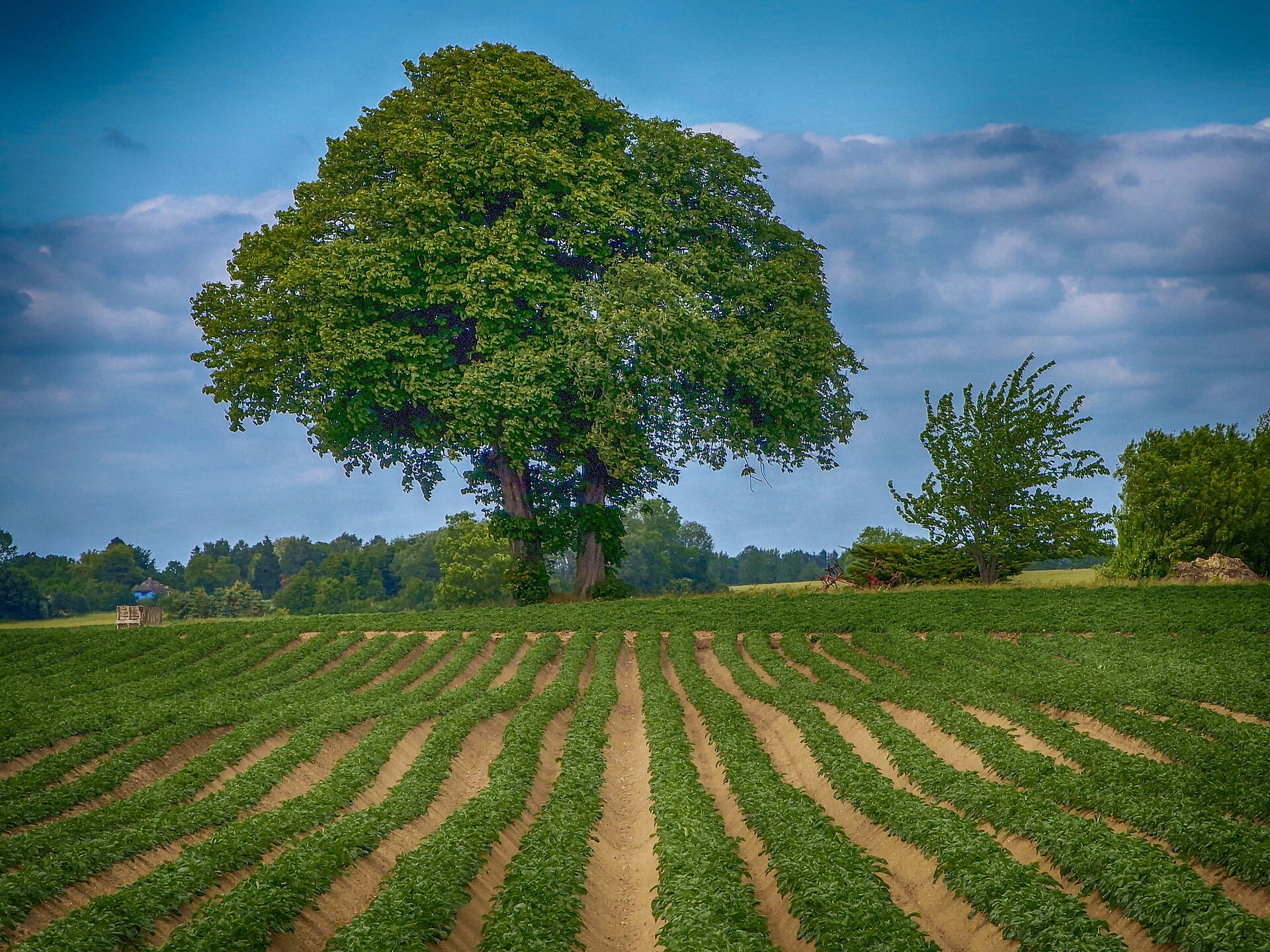
Danish potato land has grown by more than half in two decades. Almost all of the growth came from potatoes for industry, while table potatoes lost two thirds of their area.
The third trial dig of the season in Danish starch potato fields points to a solid crop. Tuber yield is above the ten-year average, but starch content and starch yield are lower than in 2025.
Processing takes more than half of the potato crop in New Zealand. As growers prepare for a drier El Niño spring and summer, irrigation, storage and market development are the main tests for the sector.
Specific gravity is the quickest farm test of dry matter in potatoes. Fry potatoes below 1.070 do not meet industry standards, and simple tests show growers where they stand.
The Patagonian Central Market in Río Gallegos gives local growers free stalls to sell potatoes. A Santa Cruz venture sells fresh-cut potatoes in 5 kg packs for ARS 25,000.
Dutch potato processors handled 269,300 tonnes in August 2026, flat year on year. Imports covered 46.8% of supply, and the 12-month total fell to 3.58 million tonnes from 3.87 million.
German starch group Emsland Group will pay €95 per tonne at 19% starch for the 2027 crop, the same as this season. The company says high starch stocks leave no room for a rise.
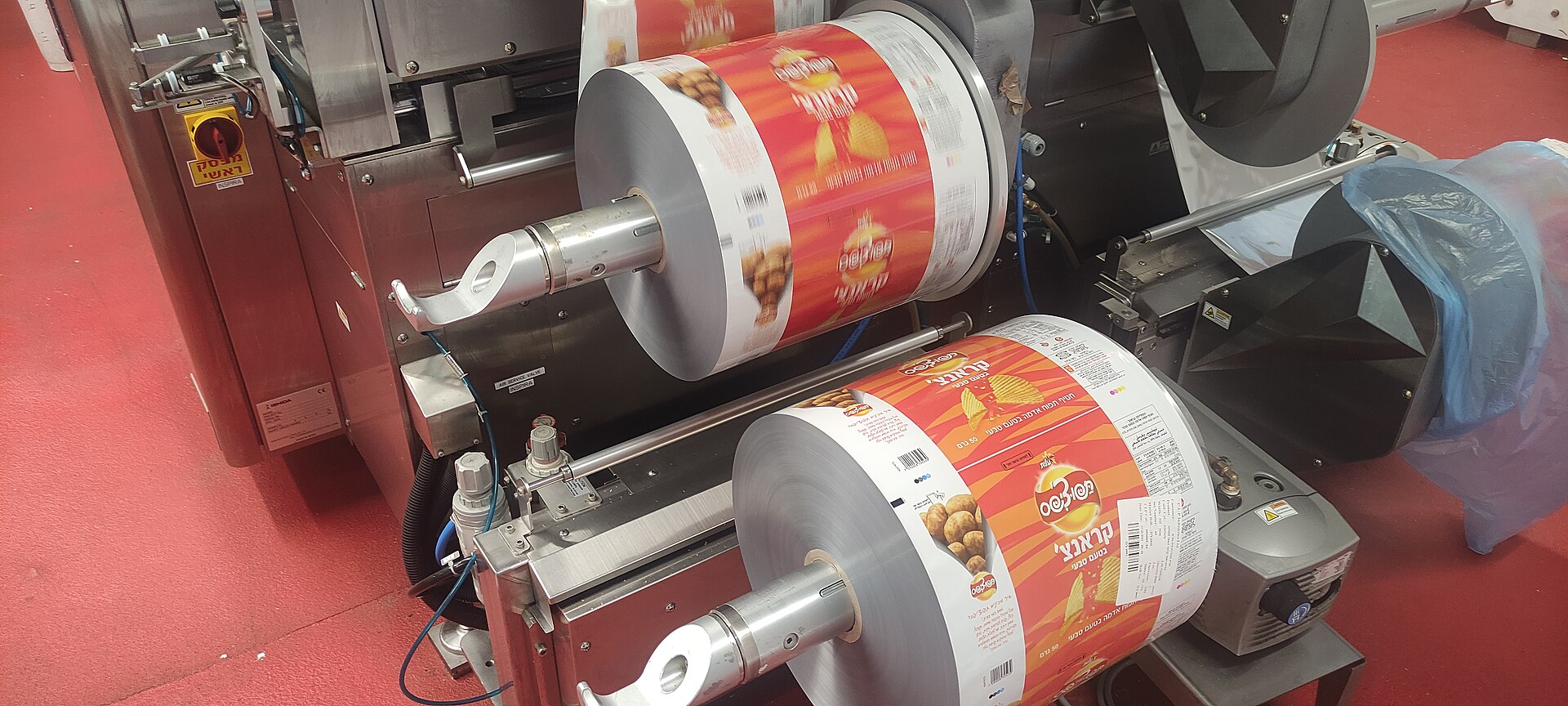
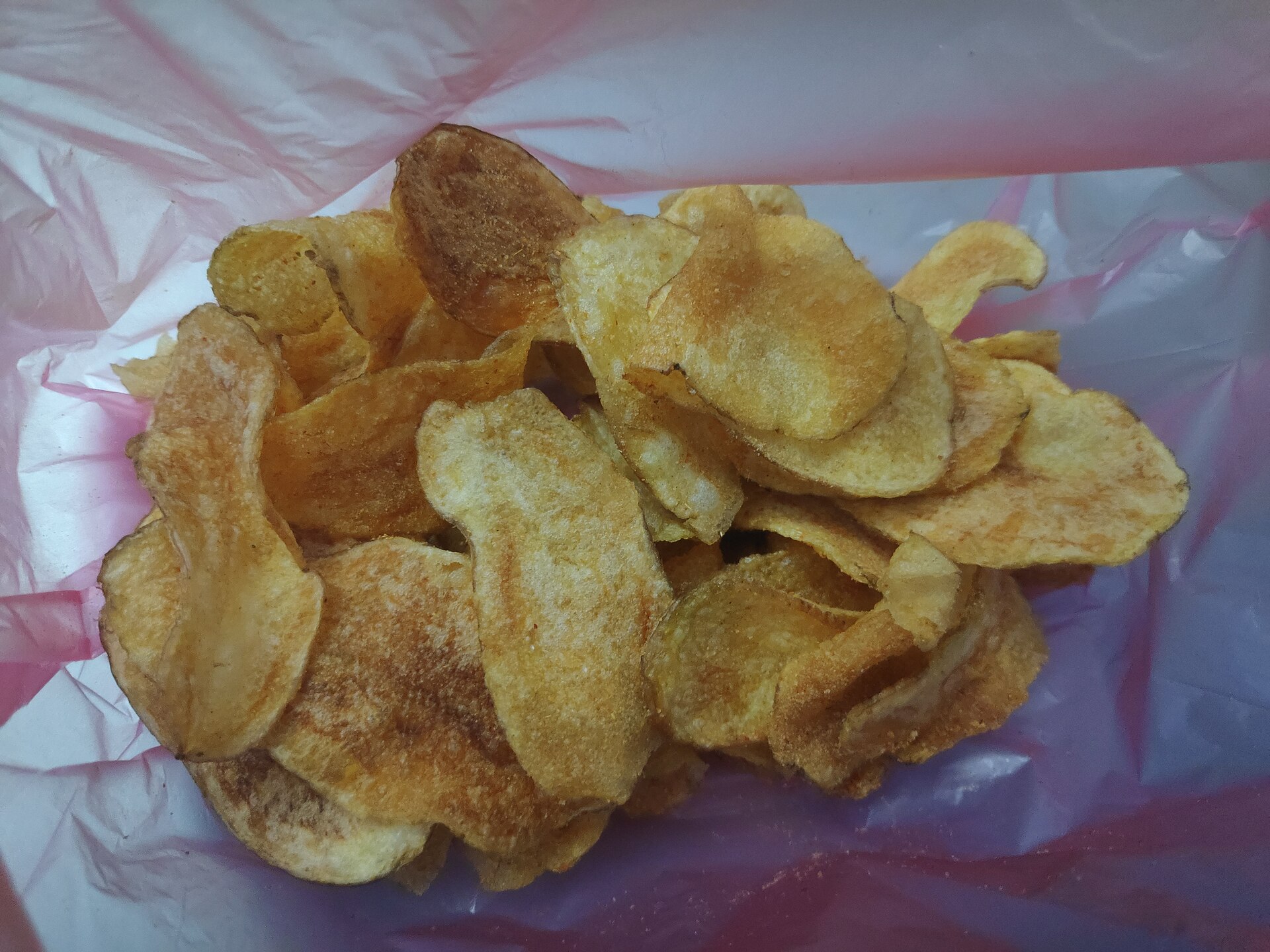
A check of online listings on 24–25 September found larger Lay's and Bingo chip packs cost 20–44% more per 100 g than ₹20 packs. Large pouches were the cheapest option.
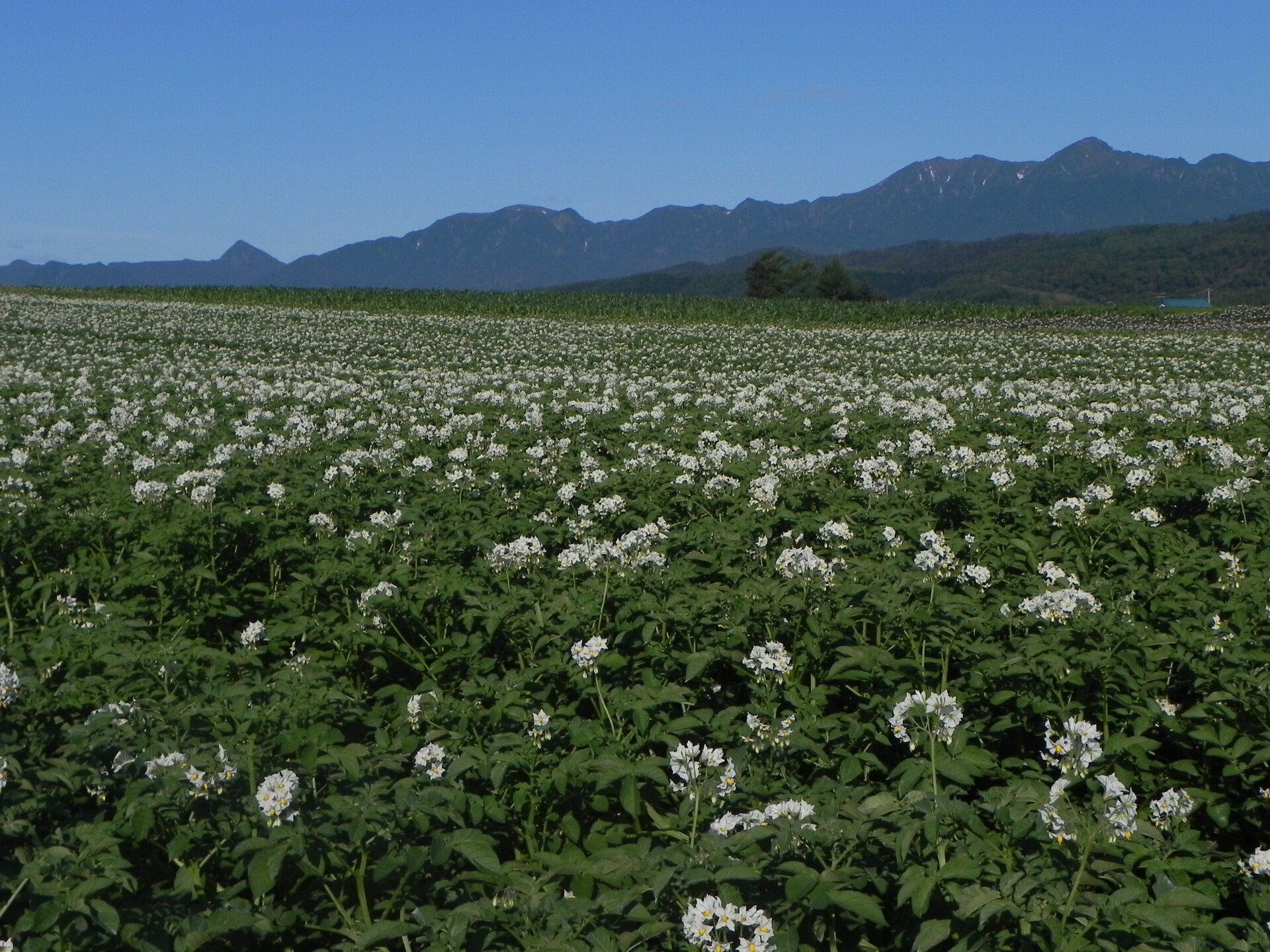
Japan planted 70,900 hectares of potatoes in 2024, down from 130,100 hectares in 1985. Domestic output of about 2.3 million tonnes covers only part of demand of about 3.5 million tonnes.