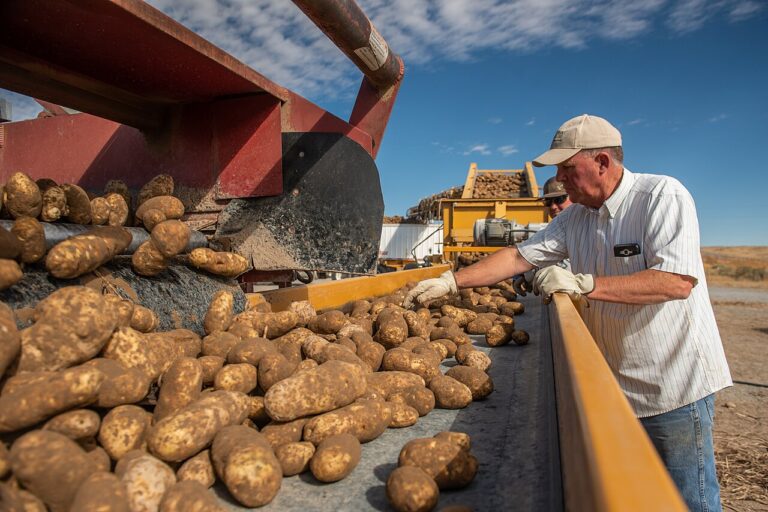

The “Clean Tuber” Strategy: How Chile Sets the Standards for Certified Seed Potato Exports
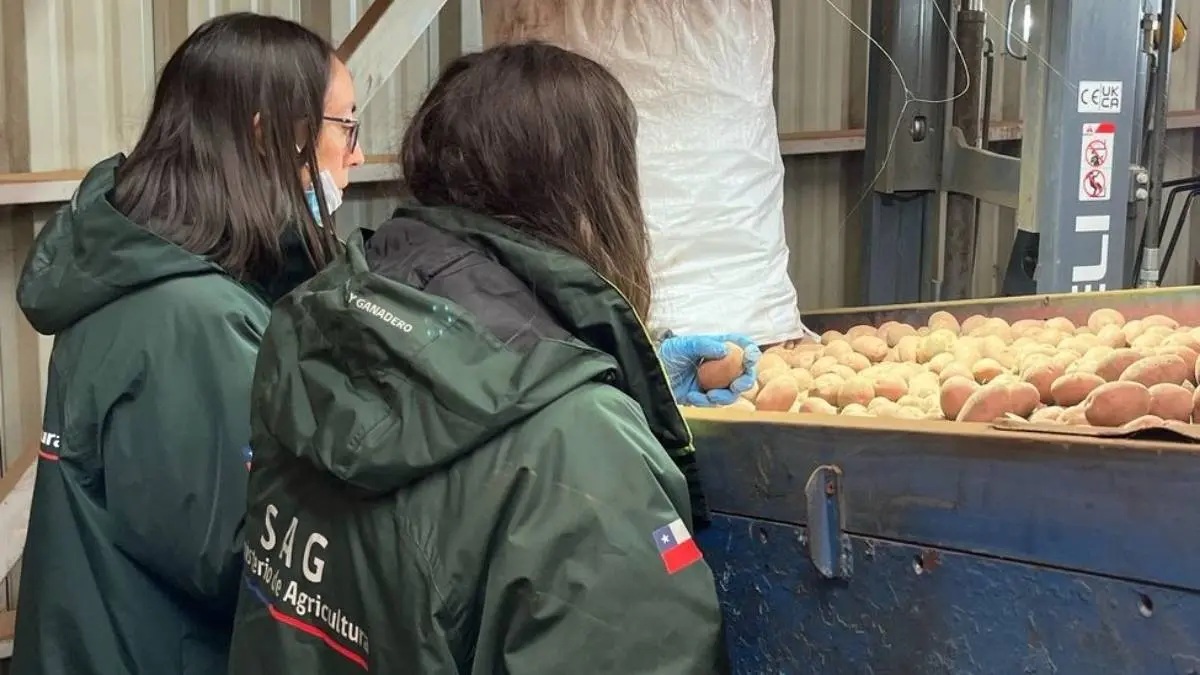
For agribusiness professionals, it’s no secret that the profitability of commercial potato farming begins not in the field, but at the stage of selecting planting material. In the context of changing climates and phytopathogen migration, access to a genetically pure and healthy seed fund becomes the main competitive advantage. In this context, the start of a new export season in South America attracts special attention from the global agricultural community.
Market News: Los Lagos Opens the Export Season
As reported by the authoritative industry resource Argenpapa, a new season has officially started in Chile: the Los Lagos region has begun exporting the first batches of certified seed potatoes.
For the average person, this is routine news, but for industry professionals, it’s an important marker. Los Lagos (along with neighboring southern regions of Chile) has historically been one of the few unique phytosanitary zones in the world, where natural isolation allows the cultivation of elite generations of seed potatoes with minimal pesticide load.
Weekdays. Unsubscribe in one click.
Why Do Professionals Choose Certified Seeds?
The use of uncertified material (so-called “junk” seeds) leads to a loss of up to 30-50% of the potential yield as early as the second year of reproduction due to the accumulation of viral, bacterial, and fungal infections.
Certified seed potatoes supplied from specialized zones like Los Lagos guarantee agrarians a number of critically important advantages:
- Phytosanitary Purity. The complete or near-complete absence of quarantine pests, such as pale and golden potato cyst nematodes (Globodera pallida, G. rostochiensis), as well as bacterial ring rot and potato wart disease.
- Freedom from Viruses. Strict laboratory control (ELISA and PCR testing) eliminates hidden infections by viruses Y, X, S, and M, which are the main culprits of potato degeneration.
- Genetic Uniformity. 100% varietal purity, guaranteeing predictable plant development, uniform maturation times, and commercial tuber caliber, which is essential for contracts with processing plants (chips and french fries manufacturers).
- High Germination Energy. Healthy tubers start faster in field conditions, forming a robust root system resilient to short-term droughts.
Geographical Exclusive: The Phenomenon of Southern Chile
The success of Chilean exports is driven not only by strict government regulation (through the Agriculture and Livestock Service — SAG) but also by geography. The southern regions of Chile are protected by natural barriers: the Atacama Desert to the north, the Pacific Ocean to the west, the Andes to the east, and glaciers to the south.
This creates ideal conditions for growing basic and super-elite seeds. The limited presence of aphids (the main vector of viral diseases) due to cool oceanic winds allows for the production of the highest quality tubers.
What Does This Mean for Global Agribusiness?
The start of exports from Los Lagos signals Chile’s readiness to meet the growing global demand for premium planting material. For importing countries, this is an opportunity to:
- Refresh their seed fund (especially in regions suffering from the accumulation of soil-borne pathogens).
- Increase per-hectare margins by reducing costs for fungicides and nematicides during the growing season.
- Ensure food security through the cultivation of high-yielding, modern varieties.
Summary for the Agronomist: The start of the season in Chile is an excellent reminder that skimping on seed potatoes always costs more in the long run. Investments in certified elite seeds are not an expense, but an insurance policy for your harvest and future profits.
Stay up-to-date with the main agronomic trends and choose only verified suppliers of planting material.