
Tackling Common Scab in Potatoes: New Research Seeks to Uncover the Causes and Improve Disease Management
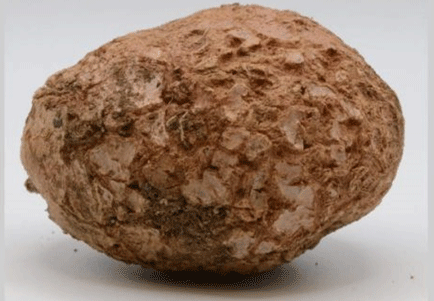
Common scab is a persistent problem in potato farming, affecting not only the aesthetic quality of the tubers but also their market value. This disease, which results in brown, scab-like lesions on the surface of potatoes, is caused by a group of bacteria called Streptomyces, which are naturally present in the soil. While the potatoes are still safe to eat, the lesions significantly lower their quality, making them less desirable for sale in fresh markets, seed production, and processing. In severe cases, the damage is so extensive that growers struggle to sell their crops at all.
Dr. Dawn Bignell, a researcher at Memorial University’s Department of Biology, is leading a team that is actively investigating the causes and molecular mechanisms behind common scab. This research, funded by a $240,000 grant from the Natural Sciences and Engineering Research Council (NSERC), aims to better understand how the Streptomyces bacteria infect potatoes and produce the toxic molecules that cause the lesions.
“Common scab is prevalent in many potato-growing regions in Canada, and the disease management strategies currently in use are largely ineffective or inefficient,” Dr. Bignell explained. The team’s research focuses on the small molecules produced by the pathogens that are toxic to plants, studying how these molecules contribute to disease development and how their production is regulated in the bacteria.
Weekdays. Unsubscribe in one click.
The key challenge in managing common scab lies in the fact that the disease is caused by a range of Streptomyces species that are found naturally in the soil. These bacteria can thrive in various environmental conditions, making it difficult for farmers to predict and control outbreaks. Current methods for managing common scab, such as crop rotation or using resistant potato varieties, have proven to be inconsistent, leaving growers with few effective solutions.
Through the NSERC-funded research, Dr. Bignell and her team are making significant strides in understanding the molecular underpinnings of the disease. They hope that this research will lead to the development of new, more effective disease management strategies that can reduce the economic impact of common scab on Canadian potato producers and potentially worldwide.
Additionally, the research provides an important opportunity for student involvement. Dr. Bignell notes that the project will allow undergraduate and graduate students to gain practical technical training in molecular biology, microbiology, biochemistry, and bioinformatics. These students will also develop valuable skills in project management, critical thinking, and teamwork, all of which are critical for their future careers in agriculture and other scientific fields.
“The funding received will allow us to investigate how the toxins produced by Streptomyces contribute to disease development and how we can control their production,” Dr. Bignell said. “We anticipate that this knowledge will help develop new disease management strategies that will assist potato growers in reducing losses and improving crop quality.”
The research underway at Memorial University is a promising step forward in the battle against common scab in potatoes. By uncovering the molecular mechanisms behind the disease and its toxic effects, Dr. Bignell and her team are laying the groundwork for more effective and sustainable disease management strategies. These advances not only have the potential to improve potato production in Canada but could also provide valuable insights for potato farmers worldwide, helping to safeguard the future of potato cultivation.
Защита в РФ · справка редакции
Парша и ризоктониоз клубней: что зарегистрировано на картофеле в России
- Протравливание клубней перед посадкой: Максим, КС (флудиоксонил, FRAC 12; ризоктониоз и серебристая парша) — № 041-02-4335-0, до 24.12.2026; Эместо Сильвер, КС (пенфлуфен + протиоконазол, FRAC 7 + 3; ризоктониоз, обыкновенная и серебристая парша) — № 019-02-2024-1, до 24.10.2028; Рондаш, МЭ (азоксистробин + металаксил + флудиоксонил, FRAC 11 + 4 + 12; парша, ризоктониоз, фузариоз) — № 021-02-9925-0, до 23.04.2029.
- Опрыскивание почвы при посадке: Квадрис, СК (азоксистробин, FRAC 11; ризоктониоз, серебристая парша) — № 041-02-4430-1, до 26.02.2027.
- Примечание: от обыкновенной парши химическая защита даёт ограниченный эффект; основа — севооборот, влажность почвы в период клубнеобразования и подходящая кислотность.
Справка редакции potatoes.news по Реестру пестицидов и агрохимикатов, разрешённых к применению на территории РФ (Минсельхоз России, версия от 29.09.2026). Перечень не исчерпывающий, приведён в информационных целях и не является рекомендацией конкретных препаратов или производителей. Нормы расхода, сроки ожидания и кратность обработок — строго по регламенту в Реестре и на этикетке; перед применением убедитесь, что регистрация действует.