
Spring Sowing in Buryatia: More Land for Potatoes, Vegetables, and a 6-Fold Surge in Medicinal Herbs

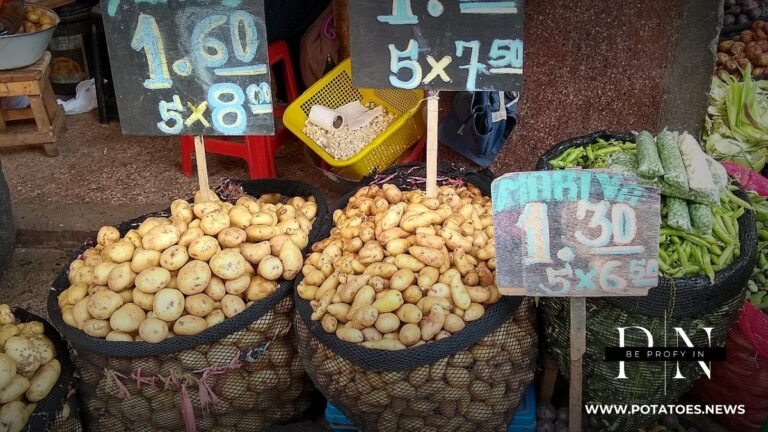
The Ministry of Agriculture and Food of Buryatia has held its first operational headquarters meeting to prepare for the 2026 spring sowing season, with less than a month remaining before field work begins. The total sown area will reach 118,800 hectares, slightly lower than last year due to an increase in bare fallow land (up to 26,500 hectares, a 12.4% rise). However, the crop structure is shifting significantly: potato plantings will grow by 13.6% (to 7,500 hectares), open-ground vegetables by 10.4% (to 1,100 hectares), and industrial crops by 10% (to 8,700 hectares). Meanwhile, grain and legume crops will decrease to 63,100 hectares, and forage crops to 38,300 hectares. A particularly noteworthy development is the medicinal herb sector — 10 farms plan to sow 705 hectares of herbs, more than six times last year’s 108.9 hectares, with subsidies for this new industry currently being discussed.
The operational headquarters also reviewed farm readiness for the upcoming planting season. Most agricultural producers have already purchased seeds or signed supply contracts, while farms in the Barguzinsky, Kizhinginsky, Kurumkansky, and Tunkinsky districts have been advised to source seeds from local breeding enterprises where high-quality, regionalized varieties remain available. A more pressing issue involves delays in receiving subsidies for mineral fertilizers and plant protection products — agricultural organizations (LLCs) are facing holdups due to specific federal treasury regulations that differ from those for individual farms. First Deputy Minister Damdin Namsaraev assured that the situation is under control: “We are awaiting decisions from the federal treasury authorities in the near future. As soon as the financial approval is received, farms will immediately contract the necessary volumes — we will not allow any disruption to the fertilization campaign.”