Global: Storage Sprout Control Without CIPC — The Toolbox Six Seasons On
Ethylene, spearmint oil, 1,4-DMN and orange oil now anchor post-CIPC sprout control; costs per treatment are higher and management more demanding.
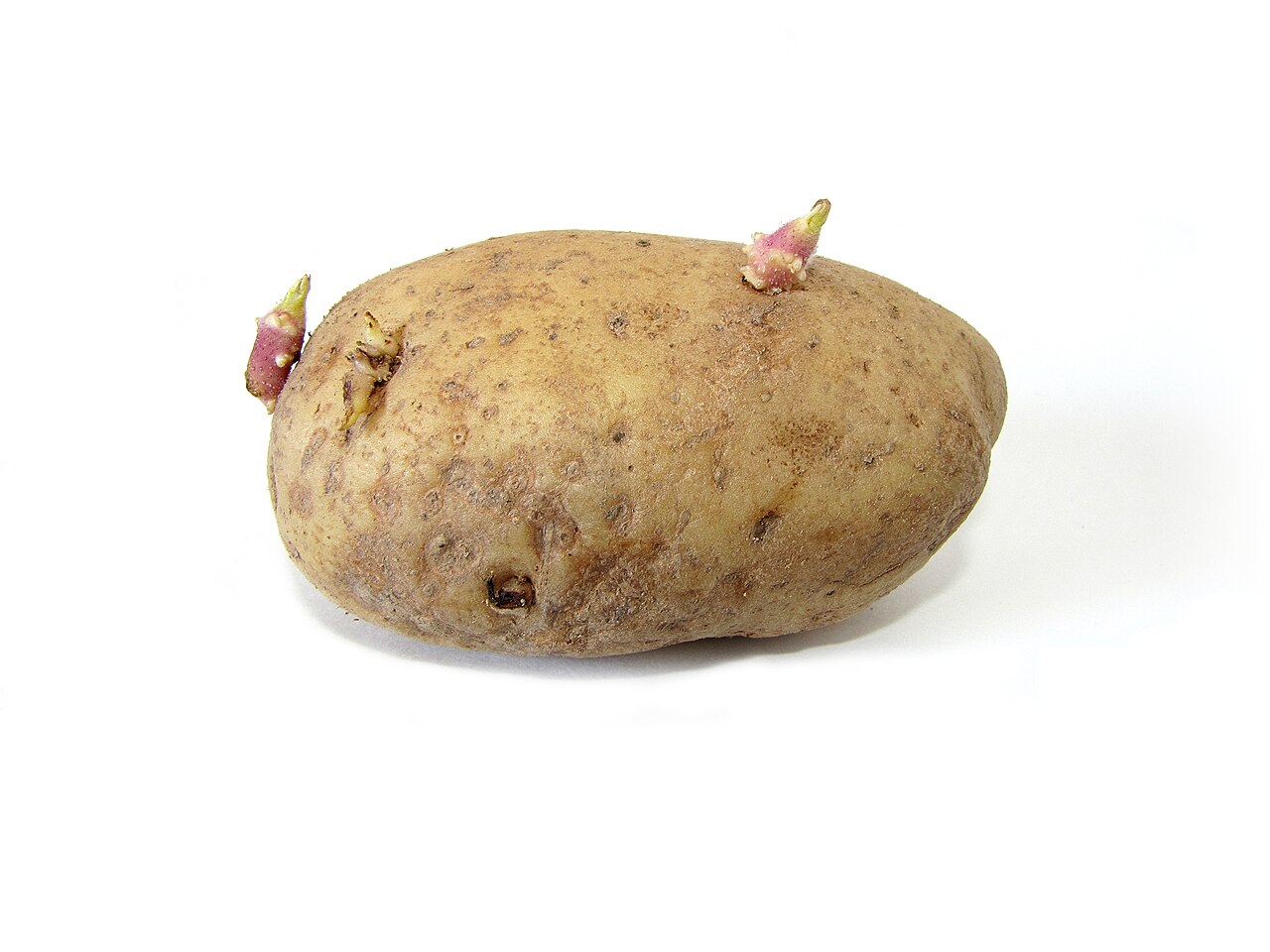
Six seasons after CIPC’s withdrawal in the EU, where its use ended in October 2020, the alternative sprout-control toolbox has matured from improvisation to proven programs — at higher cost and with greater management demands than the chemistry it replaced.
Ethylene continuous-atmosphere systems, spearmint oil fogging, 1,4-DMN and orange oil treatments each carry distinct profiles: per treatment, the alternatives cost roughly three to seven times as much as CIPC, although total storage costs rise only about 5–8%, and efficacy depends heavily on application timing, variety and storage sealing.
The management shift matters as much as the chemistry: alternatives require earlier first application, repeat treatments on schedule, and stores tight enough to hold active atmospheres — disciplines that CIPC’s persistence once forgave.
Weekdays. Unsubscribe in one click.
Fry color consequences differ by product: ethylene’s sugar effects require careful variety matching, pushing processors to specify control programs in contracts rather than leaving choice to storage operators.
Research continues on biological and physical options, but the industry’s realistic near-term position is settled: higher sprout-control costs are now a structural feature of storage economics, and efficient application of the new tools separates profitable storage from problem lots.
Sources: Irish Farmers Journal, 2019; Farmers Weekly; FreshPlaza, 2020