
From Staple to Luxury: Why Potatoes Have Become a Luxury Item and Who Is Benefiting

This year, Russian consumers have faced a sharp rise in the price of potatoes—a product traditionally considered one of the most affordable staples. In grocery stores, the lowest-quality potatoes are selling for nearly 95 rubles per kilogram, while better-quality imports, such as those from Egypt, cost around 130 rubles. Shoppers are forced to economize, buying no more than a kilogram at a time and carefully inspecting each potato for defects. Pensioners, in particular, often purchase just a few potatoes for soup, as the staple has become unaffordable for many. Adding to the frustration, packaging often fails to indicate the product’s origin, leaving consumers in the dark about how prices are determined.
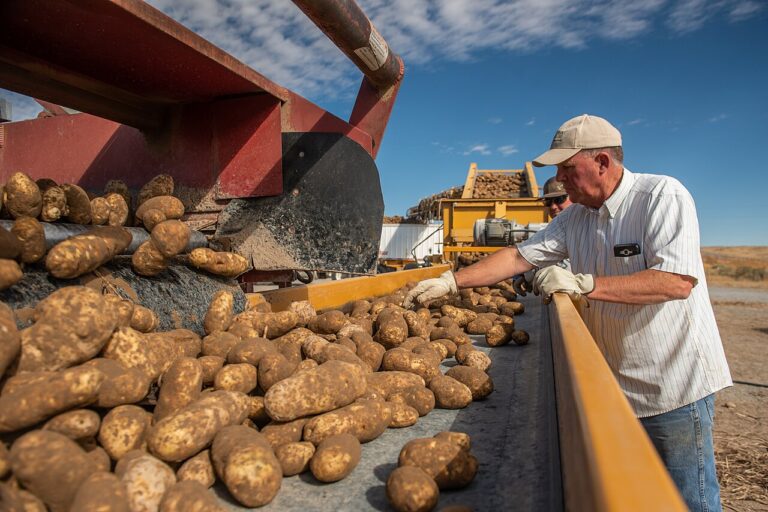
Logistics workers and vendors point to several factors behind the price surge. Last year, poor weather led to low harvests in several regions, including neighboring areas, while the rising cost of seed potatoes caused many farmers to reduce their planted acreage. With insufficient local supply, the market has increasingly relied on shipments from southern regions and even Belarus, driving up final prices due to transportation costs and intermediary markups. In response, many dacha owners continue to grow their own potatoes—not only to save money but also for a sense of security. While some experts predict prices may drop by summer with the arrival of the new harvest, uncertainty remains high due to volatile fuel costs and other external factors.