Breaking Ground: MSU Unveils Kal91.3 Potato, Redefining Storage and Quality
Explore the groundbreaking development of the Kal91.3 potato, a genetically engineered variety poised to revolutionize potato storage and quality while reshaping agricultural regulatory frameworks.
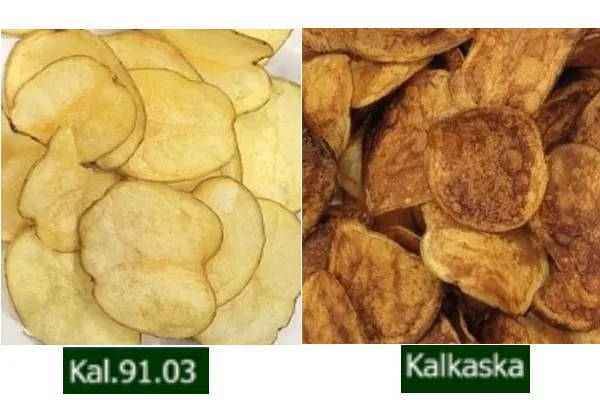
Michigan State University’s breakthrough in potato breeding offers promising solutions to storage challenges and quality enhancement.
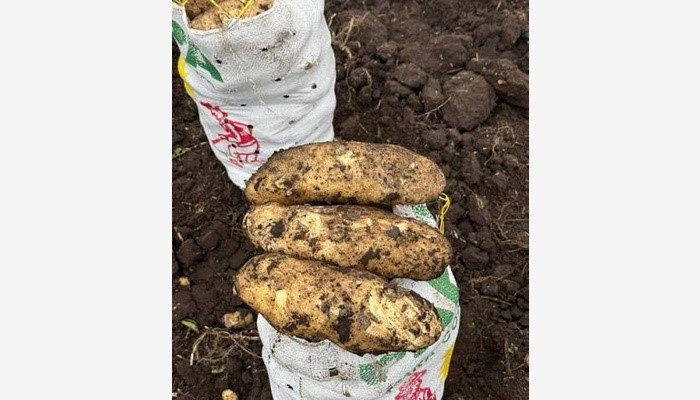
Michigan State University (MSU) has marked a significant milestone in the agricultural landscape with the development of the Kal91.3 potato, a novel genetically engineered variety spearheaded by MSU potato breeder Dave Douches. This groundbreaking innovation has garnered attention for its exemption from the stringent biotechnology regulations typically imposed on genetically modified products by the U.S. Department of Agriculture’s Animal and Plant Health Inspection Service (USDA APHIS).
A Game-Changer in Potato Storage and Quality
Weekdays. Unsubscribe in one click.
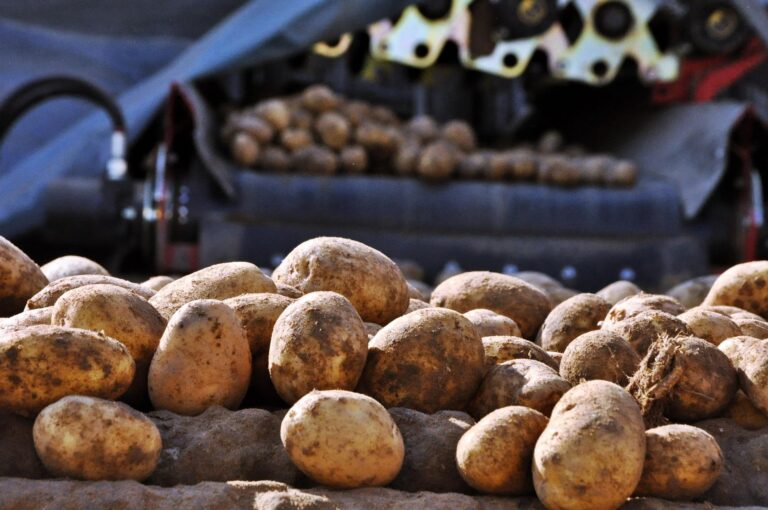
Derived from the esteemed MSU potato variety Kalkaska, the Kal91.3 potato boasts exceptional attributes, particularly in prolonged storage capabilities without sucrose accumulation. Traditionally, sucrose, the primary sugar compound in potatoes, undergoes conversion into reducing sugars like fructose and glucose during storage, leading to undesirable phenomena such as off-color browning and caramelization. However, the Kal91.3 potato circumvents this issue, ensuring superior product quality, notably in potato chips.
The breakthrough lies in the suppression of vacuolar acid invertase, an enzyme pivotal in sucrose breakdown within potatoes. Jiming Jiang, an MSU Foundation Professor, laid the foundation for this achievement approximately a decade ago by elucidating methods to silence the gene responsible for vacuolar acid invertase production in potatoes. Leveraging this biotechnological strategy, Douches successfully transformed a potato variety plagued by storage challenges into a commercially valuable asset.
Paving the Way for Sustainable Agriculture
Beyond its implications for product quality, the Kal91.3 potato also promises environmental sustainability in potato cultivation. By mitigating the need for excessive fertilizers and pesticides during storage, this innovative variety reduces the ecological footprint associated with potato farming. Moreover, its robust agronomic characteristics, including favorable shape, size, and specific gravity, underscore its potential to revolutionize potato production practices.
A Landmark Achievement in Agricultural Regulation
The USDA APHIS’s recent decision to grant exemption to the Kal91.3 potato signifies a watershed moment in agricultural biotechnology. While not the first genetically engineered potato with invertase silencing to receive regulatory leniency, it holds the distinction of being the inaugural genetically engineered vegetable from a land-grant university to attain such status. This precedent underscores the pioneering role of academic institutions in driving agricultural innovation and regulatory evolution.
Charting the Future of Potato Cultivation
As the Kal91.3 potato steps into the spotlight, collaboration between MSU and Michigan’s potato industry leaders takes center stage. With Michigan ranking as the eighth-largest potato producer in the U.S., constituting a significant portion for chip production, the Kal91.3 potato holds immense potential to fortify the state’s potato industry. Kelly Turner, Executive Director of the Michigan Potato Industry Commission, anticipates its role in enhancing storage capacity, thereby ensuring a consistent potato supply throughout the year, bolstering industry stability.
Conclusion
The unveiling of the Kal91.3 potato signifies a paradigm shift in potato cultivation, transcending conventional boundaries to address pressing storage challenges and elevate product quality. As stakeholders across the agricultural spectrum embrace this innovation, the journey of the Kal91.3 potato serves as a testament to the transformative power of collaborative research, technological advancement, and regulatory adaptability.