• Latest
  • Trending
  • All
  • News
  • Business
  • Politics
  • Science
  • World
  • Lifestyle
  • Tech
Management of wound healing

Wound healing: potato natural band-aid

27.10.2023
Zimbabwe’s Potato Sector Posts Record Yields but Faces Uphill Battle to Scale Up for Winter Target

Zimbabwe’s Potato Sector Posts Record Yields but Faces Uphill Battle to Scale Up for Winter Target

15.07.2026
The Pavlodar Phenomenon: How Potatoes are Changing Agriculture in Kazakhstan

The Pavlodar Phenomenon: How Potatoes are Changing Agriculture in Kazakhstan

15.07.2026
Technical Information: Inicium Organic, the Biological Tool Enhancing Potato Crop Establishment

Technical Information: Inicium Organic, the Biological Tool Enhancing Potato Crop Establishment

15.07.2026
Chile Reactivates Regional Potato Board at INIA Remehue to Boost Crop Competitiveness

Chile Reactivates Regional Potato Board at INIA Remehue to Boost Crop Competitiveness

15.07.2026
SAG Biobío Seizes Over 8.5 Tons of Potatoes to Protect Arauco's Quarantine-Free Status

SAG Biobío Seizes Over 8.5 Tons of Potatoes to Protect Arauco’s Quarantine-Free Status

15.07.2026
Lamb Weston Brings NextGeneration Potato Innovation to WOFEX Manila 2026

Lamb Weston Brings NextGeneration Potato Innovation to WOFEX Manila 2026

15.07.2026
Early Potato Harvest Begins in Stavropol Region: Over 1,700 Tonnes Collected So Far

Early Potato Harvest Begins in Stavropol Region: Over 1,700 Tonnes Collected So Far

15.07.2026
Magnit Launches Potato Storage Network: First Modern Warehouse Complex Opens in Tambov Region

Magnit Launches Potato Storage Network: First Modern Warehouse Complex Opens in Tambov Region

14.07.2026
Timiryazev Academy Scientists Present Breakthroughs in Potato Processing – from Diabetic Nutrition to Zero-Waste Technologies

Timiryazev Academy Scientists Present Breakthroughs in Potato Processing – from Diabetic Nutrition to Zero-Waste Technologies

14.07.2026
Nizhny Novgorod Region Exports Over 27,000 Tonnes of Potatoes in First Half of 2026

Nizhny Novgorod Region Exports Over 27,000 Tonnes of Potatoes in First Half of 2026

14.07.2026
The Obesity Gene That Boosts Crops: How Inserting Human DNA into Potatoes Increased Yields by 50%

The Obesity Gene That Boosts Crops: How Inserting Human DNA into Potatoes Increased Yields by 50%

13.07.2026
Yaroslavl Region Boosts Agricultural Support: Over $1.4 Million Allocated for Potato and Vegetable Production in 2026

Yaroslavl Region Boosts Agricultural Support: Over $1.4 Million Allocated for Potato and Vegetable Production in 2026

13.07.2026
  • Home
  • IPT
    • POTATO 2.0
  • News
  • AGROTECHNOLOGY
  • IRRIGATION
  • About Us
    • Contact us
Wednesday, July 15, 2026
  • Login
POTATOES NEWS
  • Home
  • IPT
    • POTATO 2.0
  • News
  • AGROTECHNOLOGY
  • IRRIGATION
  • About Us
    • Contact us
No Result
View All Result
POTATOES NEWS
No Result
View All Result
Home AGROTECHNOLOGY Keeping the harvest Equipment for storage

Wound healing: potato natural band-aid

by John Demand
27.10.2023
in Equipment for storage, Meteo, Storages
0
Management of wound healing

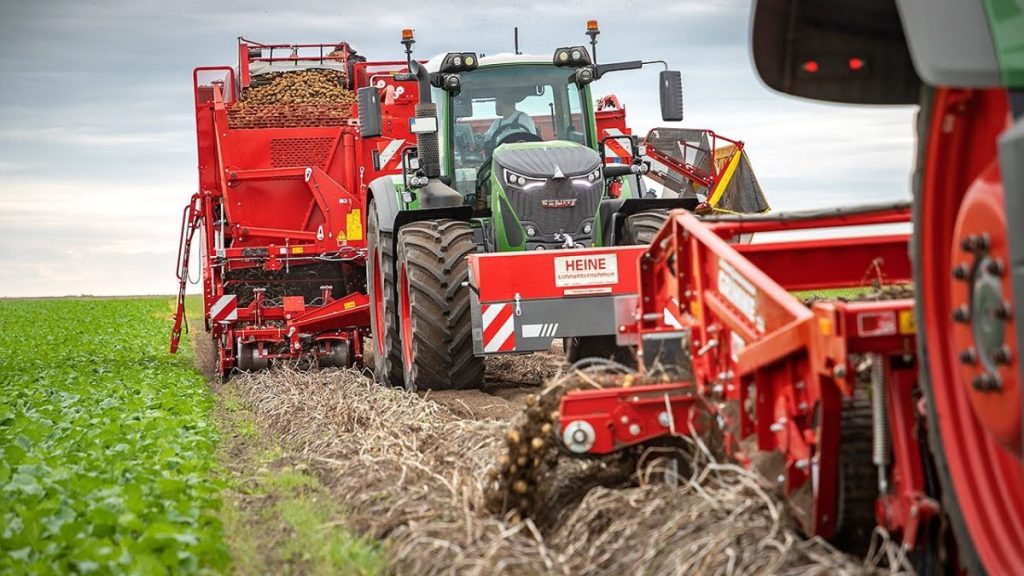
Die umstrittenen Genkartoffelsorte "Amflora" wird am Dienstag (05.05.09) auf einem Versuchsfeld bei Buetow mit einem Foerderband auf die Pflanzmaschine transportiert. Amflora-Kartoffeln sind fuer Menschen nicht geniessbar, sondern koennen wegen ihrer besonderen Staerkezusammensetzung zu industriellen Zwecken, wie der Herstellung von Papier, genutzt werden. Auftraggeber fuer den Anbauversuch, der urspruenglich bereits am Montag (04.05.09) starten sollte, ist der Ludwigshafener Chemiekonzern BASF. (zu ddp-Text) Foto: Danny Gohlke/ddp

678
SHARES
1.9k
VIEWS
Share on LinkedInShare on ВКонтакте
Management of wound healing comes from the initial conditions potatoes are exposed to after harvest.
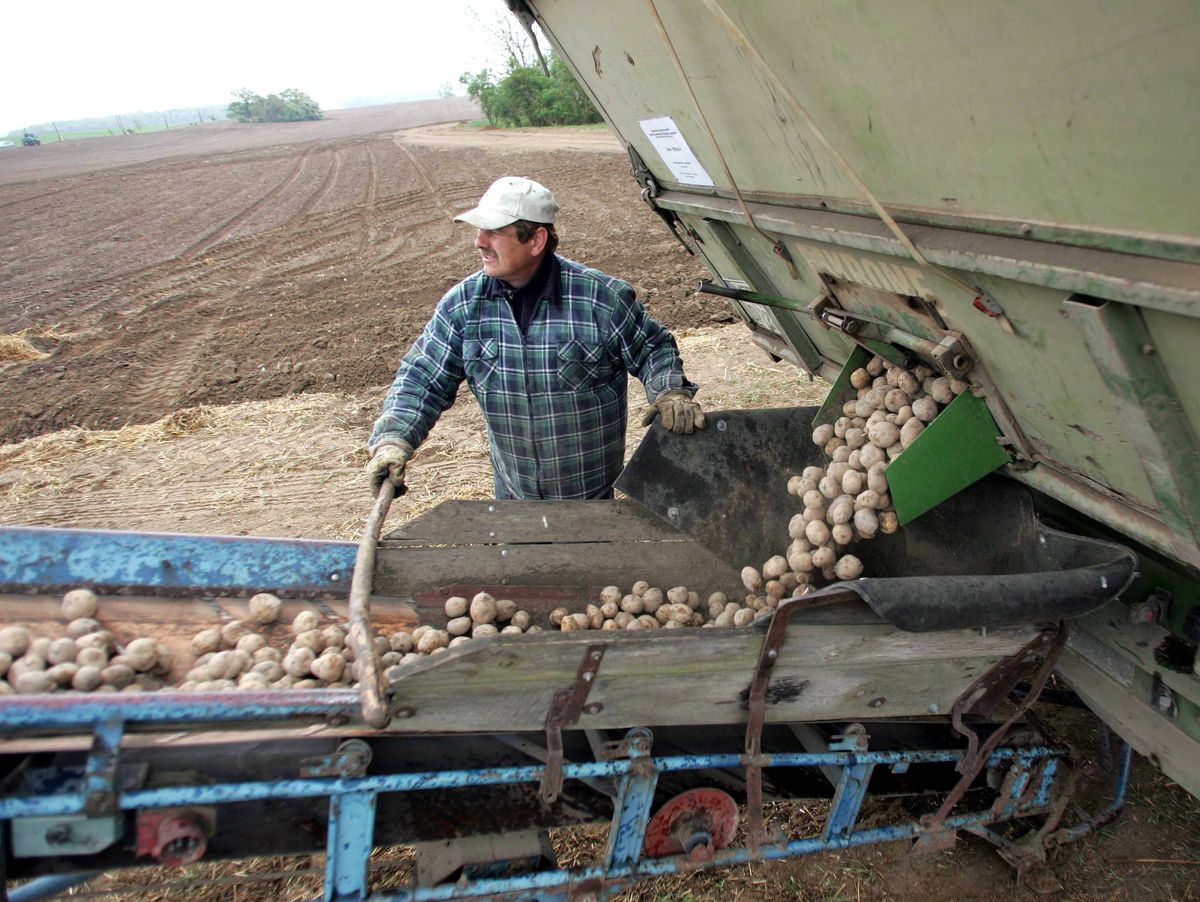
We all know that the human skin is a remarkable organ that protects the underlying cells, but one that can be damaged by wounding during the activities of every-day life. Likewise, potato tubers are covered by a “skin” that acts to protect the internal tissues. Potato skin is also subject to wounding. Wounding is inevitable during the harvesting and handling of potatoes. Wounds can be in the form of nicks, cuts, punctures, abrasions, broken knobs, shatter-bruised areas, or essentially any area where there is a break in the skin.

It is important to minimize wounding due to the detrimental consequence of greater potential disease development and higher weight loss. The pathogens that cause Fusarium dry rot and Pythium leak need a wound to infect the tuber whereas pathogens that cause pink rot, late blight, early blight and others may not need a wound, but infection is dramatically increased with wounding. Wounding also provides a perfect opportunity for non-pathogenic fungi and bacteria to grow on the surface of the wounded area. These saprophytic organisms are non-pathogenic, meaning they do not attack or infect the tuber, and they cause no decay.
These organisms merely reside on the surface of the skin with superficial patches of black, white, yellow, orange or brown colored growth. Wounded areas on
tubers provide a source of moisture – plant sap. The sap or juice of the tuber contains water and nutrients, both of which favor pathogen development. Regardless of the type of wound, economic losses can occur due to disease invasion and shrinkage.

Fortunately, potatoes have the ability to heal these wounds by creating their own Band-Aid: wound periderm. The wound periderm is the outermost layer of tissue on a potato tuber that forms after a wound is inflicted on the surface of the tuber. In comparison, “native periderm” is the outermost layer on tubers produced while on the plant, which protects the tuber from disease and water loss while the tubers are still underground. The wound periderm is produced through a process known as wound healing.

The wound periderm is a skin tissue composed of three layers; the phellum, phellogen and phelloderm; all which are layers of cells functioning as tissue to protect the tuber from pathogenic attack and water loss. Suberin deposition occurs in the top two or three layers of cells on the cut surface in a process called primary suberization which prevents some pathogen entrance and evaporation from occurring at the wound site. This deposition of suberin sequentially allows for the phellogen to develop underneath the suberized layer in a process known as secondary suberization.

The “cork” layer, or phellem, forms the outermost layer of the wound periderm and is produced from the underlying phellogen, while the phelloderm layer lies beneath the phellogen layer. It sounds complicated with the various layers, but there is a systematic sequence of events to develop a new skin to withstand the environmental conditions in storage. It takes time to develop the various layers and they each serve a different purpose. Some layers are ‘tougher” than others to stop water loss and/or pathogen invasion.

The speed of wound healing will depend upon several factors, which include type of wound, variety, and curing or wound healing conditions. Deep or angled wounds are more difficult to wound heal plus they are shielded from circulating air and this decreases the ability to quickly dry off the moisture and stop disease infection process. To make matters worse, often the agent (rock, sharp edge on handling equipment, etc.) that causes the mechanical damage to the skin will inoculate the wound at the same time.

This means that fungal spores or bacterial cells are deeply embedded in the wound. Varieties can respond differently to the wound healing processsome may be faster or slower. Varietal susceptibility to disease, especially soft rot and Fusarium dry rot, may be impacted by the wound healing response. Unfortunately, we have limited information on the necessary wound healing duration or conditions for individual varieties.

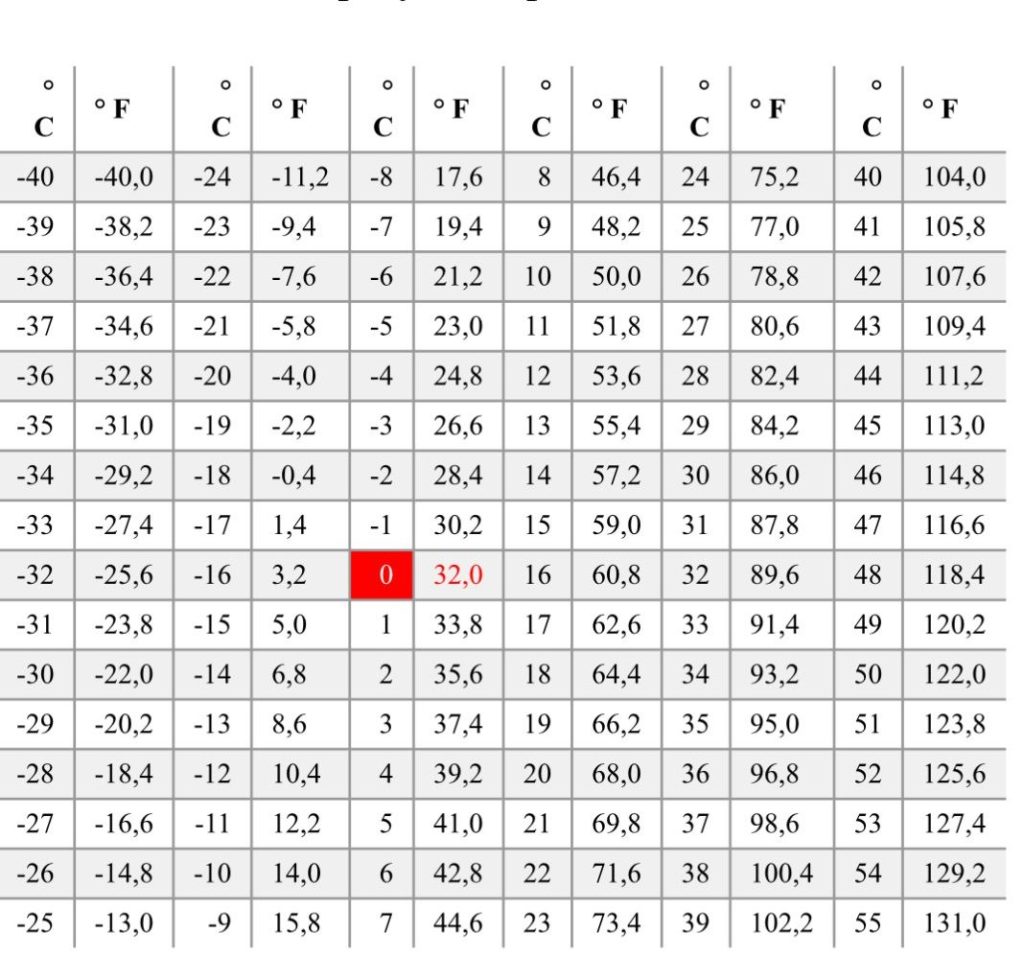
Management of wound healing comes from the initial conditions potatoes are exposed to after harvest. Favorable wound healing conditions are high humidity, no free moisture, good airflow, and temperatures above 50°F. Warmer temperatures above 50 to 55°F may be beneficial in the formation of the wound periderm, but greater disease development and weight loss can be a negative consequence. It is ideal to cure potatoes at temperatures just long enough to allow for
rapid wound healing, but not too long as to have an impact on weight loss, disease development, and/or other quality characteristics. Temperatures below 50°F require a longer wound healing period that may allow diseases the chance to invade the wound.
Management of wound healing

For example, if Russet Burbank needs 2 weeks at 55°F to wound heal, factor in the time and temperature the potatoes were exposed to when removing field heat. This would lessen the time at the elevated wound healing temperatures. It is a balance to ensure we don’t under- or over- wound healing and allow for negative consequences to occur.

Tags: agricultural storagemeteopotato diseases or defects
Share47Share34
John Demand

John Demand

  • Trending
  • Comments
  • Latest
Potatoes.news 2025: The Nervous System of the Global Potato Industry

Potatoes.news 2025: The Nervous System of the Global Potato Industry

01.01.2026
Subway launches Spudway: a new era of hot baked potatoes

Subway launches Spudway: a new era of hot baked potatoes

26.02.2025
Processing and Packaging Equipment supplier tna expands manufacturing in the Netherlands

Processing and Packaging Equipment supplier tna expands manufacturing in the Netherlands

22.04.2021
Aviko Belgium orders peace of mind

Aviko Belgium orders peace of mind

0
Potato crops at risk of disease during slower desiccation

Potato crops at risk of disease during slower desiccation

0
GRIMME Technica will not take place

GRIMME Technica will not take place

0
Zimbabwe’s Potato Sector Posts Record Yields but Faces Uphill Battle to Scale Up for Winter Target

Zimbabwe’s Potato Sector Posts Record Yields but Faces Uphill Battle to Scale Up for Winter Target

15.07.2026
The Pavlodar Phenomenon: How Potatoes are Changing Agriculture in Kazakhstan

The Pavlodar Phenomenon: How Potatoes are Changing Agriculture in Kazakhstan

15.07.2026
Technical Information: Inicium Organic, the Biological Tool Enhancing Potato Crop Establishment

Technical Information: Inicium Organic, the Biological Tool Enhancing Potato Crop Establishment

15.07.2026
BE PROFY IN POTATOES NEWS

Copyright © 2010-2026 POTATOES NEWS.

Navigate Site

  • Home
  • IPT
  • News
  • AGROTECHNOLOGY
  • IRRIGATION
  • About Us

Follow Us

Welcome Back!

Login to your account below

Forgotten Password?

Retrieve your password

Please enter your username or email address to reset your password.

Log In
No Result
View All Result
  • Home
  • IPT
    • POTATO 2.0
  • News
  • AGROTECHNOLOGY
  • IRRIGATION
  • About Us
    • Contact us

Copyright © 2010-2026 POTATOES NEWS.