
Wild Potato Genes Help East African Farmers Cut Pesticide Costs and Combat Late Blight
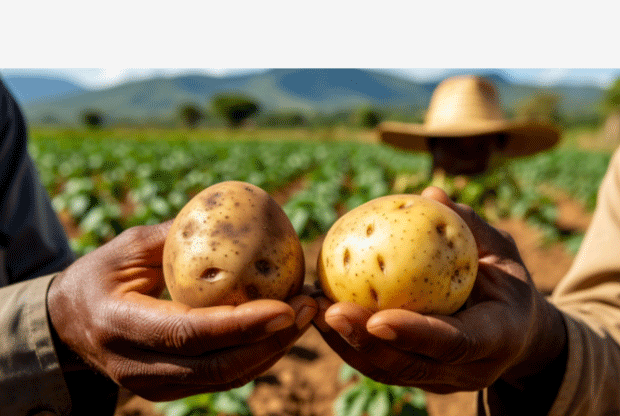
For millions of smallholder farmers in the tropical highlands of East Africa, the dream of a bountiful potato harvest is increasingly overshadowed by what can be called a “chemical tax.” Diseases, particularly late blight, force growers to constantly apply ever-larger amounts of pesticides, driving production costs up by 50–60 percent while profits continue to shrink with each season. As Peter Njuguna, a potato farmer and social media content creator from Nyoro, Kenya, explains, resources are a major challenge—farmers are spending more but earning less, pushing many operations to the brink of financial viability. However, a new approach based on the genetic potential of wild potato relatives is offering a real alternative to heavy chemical reliance.
Scientists and breeders are developing potato varieties that incorporate genes from wild relatives to confer natural resistance to late blight. This strategy allows farmers to significantly reduce pesticide applications, lower production expenses, and maintain healthy yields without the constant chemical input. Field trials are already underway in Kenya, where farmers are studying the potential of these new varieties. For the region, where potatoes are a staple food and key income source, the adoption of resistant varieties means not only cost savings but also improved food security, reduced health risks, and environmental benefits. This innovative approach, combining traditional breeding with wild genetic resources, holds promise as a foundation for sustainable potato farming across Africa.
Global Potato Brief
Top five stories, prices, disease alerts and events. Weekday mornings, no advertising.
Linked in this material
- Country
- Kenya
Related stories
Russia Cuts Chinese Potato Imports by a Quarter as August Volumes Tumble
Egypt: Growers’ Union and Ministry Move to Expand Local Seed-Potato Production to Cut Imports


