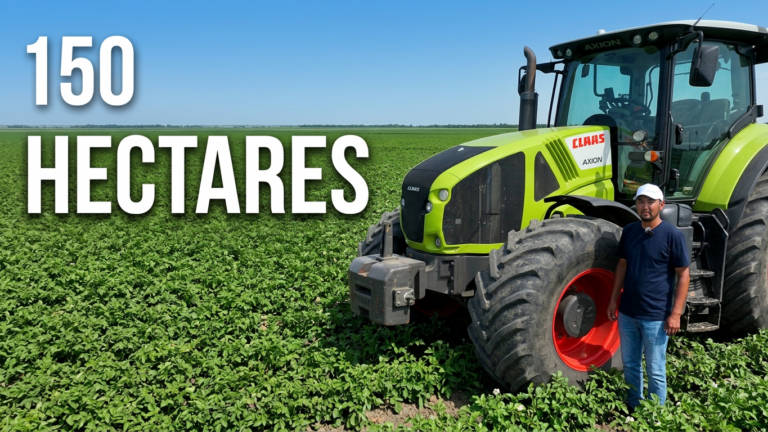
International Potato Tour in Russia: Innovative Farming Experience in the Omsk Region
Key takeaways
- Farm began in 2015 on an open field with ruined pigsties
- First year: 100 ha, own reclamation, first store
- Today 500 ha — 430 potatoes, 70 carrots
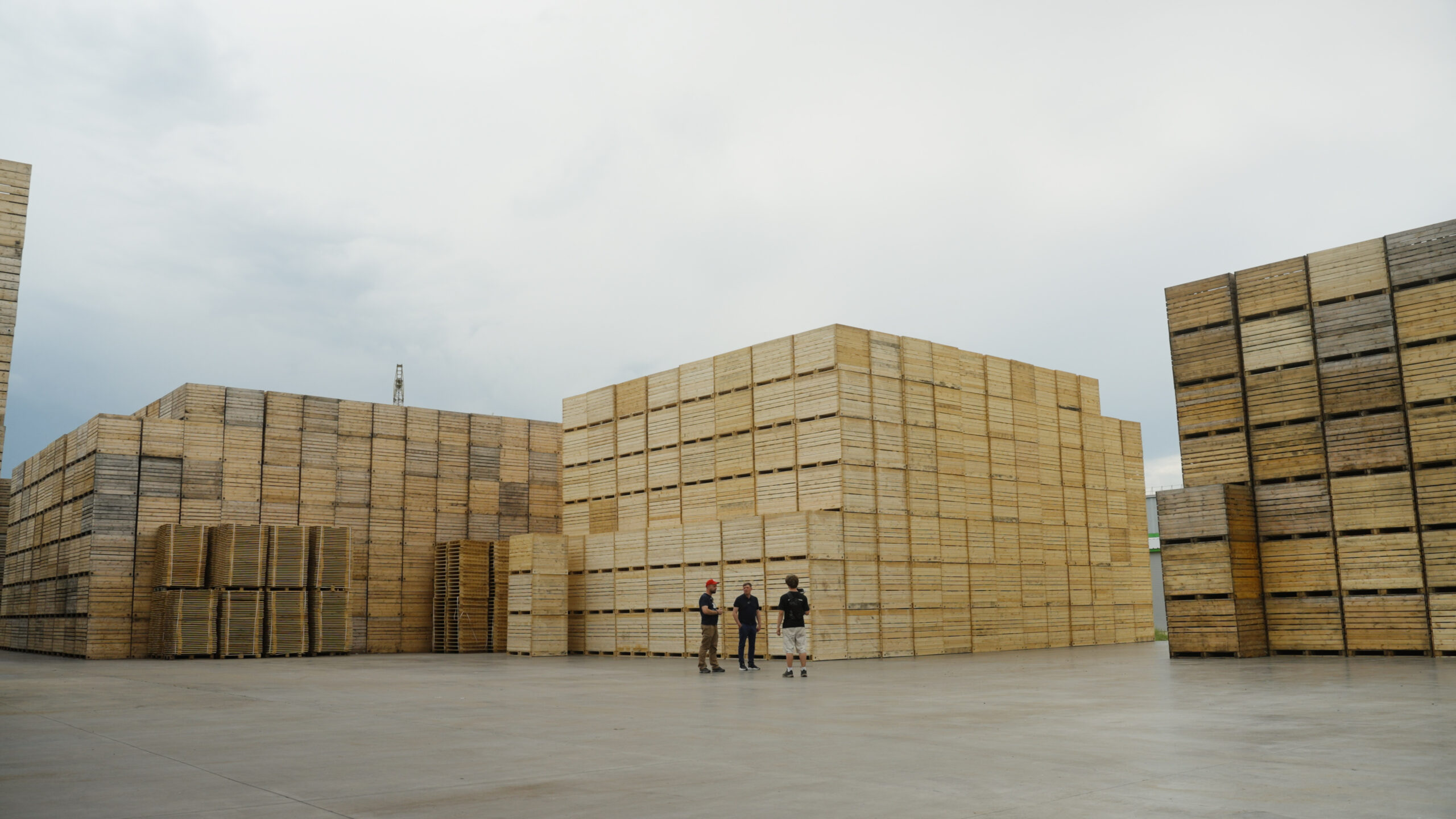
- About 20,000 containers, built to Dutch blueprints
- New store for 18,000-20,000 tonnes under way
Why it matters
- For farmers
- Green manure twice a summer — oilseed radish, mustard, vetch-oat — disked and re-sown at 45 days, is the fertility routine behind the yields.
- For processors
- Container storage with in-house washing, polishing and packing means the farm sells finished product, not field-run.
- For investors
- All profit is reinvested annually into the production base; the stated goal is 1,000 hectares, half of it reached.
60-second summary
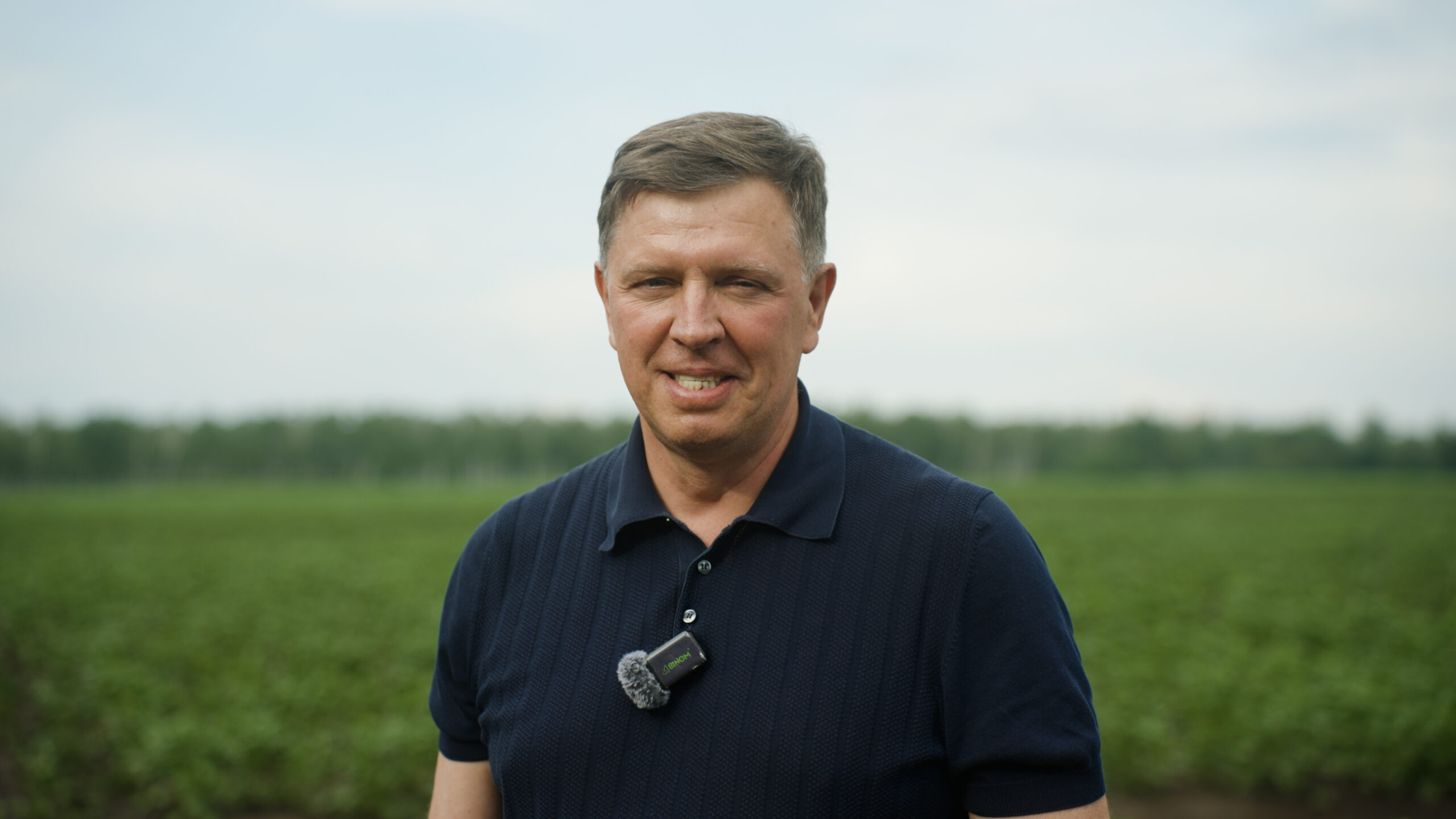
The International Potato Tour visited the Omsk Region and the family farm run by Aleksey Knysh. The founding brothers came from logistics and sales; the idea to grow potatoes arose in 2015 through Aleksey’s mentor Mukhtorzhon Umaraliev. Their starting point was an open field with ruined pigsties — the only site the district allocated. In the first year they took 100 hectares, built their own reclamation system over winter drawing water from the Irtysh, put up a vegetable store in summer and made their first 5,000 containers themselves. Nine years on the farm works 500 hectares, 430 under potatoes and 70 under carrots, with about 20,000 identical containers manufactured in-house to Dutch blueprints. Early facilities held 5,000 tonnes; a phased project for 18,000-20,000 tonnes with sorting and processing zones is under way, with washing, polishing and packing lines including Upmann machinery running 24/7, in halls built without internal supporting columns.


As part of the international potato tour, the delegation visited the Omsk Region to get acquainted with the leading agricultural enterprises of the region. One of the key stops on the route was the family farm managed by Aleksey Aleksandrovich Knysh. This enterprise clearly demonstrates how modern technologies and a strategic approach to investments can create a world-class agribusiness in the shortest possible time.
From Ruined Pigsties to Modern Agribusiness
The history of this farm is a prime example of how courage and enthusiasm can transform abandoned territories. Before entering agriculture, the founding brothers worked in entirely different fields: logistics and sales. The idea to start growing potatoes was born in 2015 thanks to Aleksey’s friend and mentor, Mukhtorzhon Mamadaliyevich Umaraliev. Inspired by the scale of work involved in laying pipes for land reclamation and building storage facilities, the brothers decided to try their hand at it.
Their starting point was an open field with old, ruined pigsties—the only location allocated for development by the head of the district. In their very first year, the brothers:
Weekdays. Unsubscribe in one click.
- Acquired their first 100 hectares of land.
- Conducted their own land reclamation system during the winter, drawing water directly from the Irtysh River.
- Built their first vegetable storage facility in the summer and independently manufactured their first 5,000 storage containers.
Modern Infrastructure and Dutch Standards
Over nine years of continuous development, the enterprise has reached an impressive scale. Today, the farm manages 500 hectares of land, with 430 hectares dedicated to potatoes and 70 hectares to carrots.
The farm’s particular pride lies in its meticulously planned logistics and storage system:
- Container Storage: The enterprise relies exclusively on a container-based storage type. All containers are manufactured in-house based on precise Dutch blueprints. Currently, their fleet consists of about 20,000 identical units.
- Large-scale Complexes: The initially built facilities accommodated 5,000 tons, but a major phased project for a storage facility with a capacity of 18,000–20,000 tons, including sorting and processing zones, is now underway.
- High-tech Equipment: The spacious facilities are equipped with modern washing, polishing, and packaging lines, including machinery from the reliable Upmann brand. The equipment operates under a heavy load 24/7.
- Innovative Architecture: New production facilities are constructed without a single internal supporting column, allowing for free and maximum efficiency in arranging the production lines.
Soil Fertility Care and a Unique Reclamation System
High yields are impossible without careful soil management. On Aleksey Knysh’s farm, green manure (cover crops) is actively used to increase fertility and prevent plant diseases. These green fertilizers (oilseed radish, mustard, and a vetch-oat mix) are sown twice a summer: 45 days after the first sowing, just before flowering, the field is disked, leveled, and sown again.
To ensure an uninterrupted water supply for irrigation, a complex hydrotechnical system was created. Water is drawn by pumps mounted on a pontoon directly from the Irtysh River. However, to create a moisture reserve and pre-heat the water, storage reservoirs were built on a formerly marshy area. The first such reservoir holds 60,000 cubic meters of water, and carp fingerlings were even intentionally introduced into it to sustain the ecosystem.
In less than a decade, the farm has evolved from a bold idea by enthusiasts who, by their own admission, initially “didn’t even understand where they were going,” into one of the flagships of Siberian vegetable farming. All profits are reinvested annually into developing the production base. The brothers’ original dream was to cultivate 1,000 hectares of land. Half of this journey has already been successfully completed, and the enterprise is steadily moving toward achieving its ultimate goal.
Global Potato Brief
Top five stories, prices, disease alerts and events. Weekday mornings, no advertising.
Sources
- Aleksey Knysh, farm manager — International Potato Tour field report
Linked in this material
- Country
- Russia
- Companies
- Upmann
- Technologies
- Container storage; washingpolishing and packing lines; green manure rotation; pontoon-pumped irrigation with storage reservoirs
- Sections
- IPT
Related stories
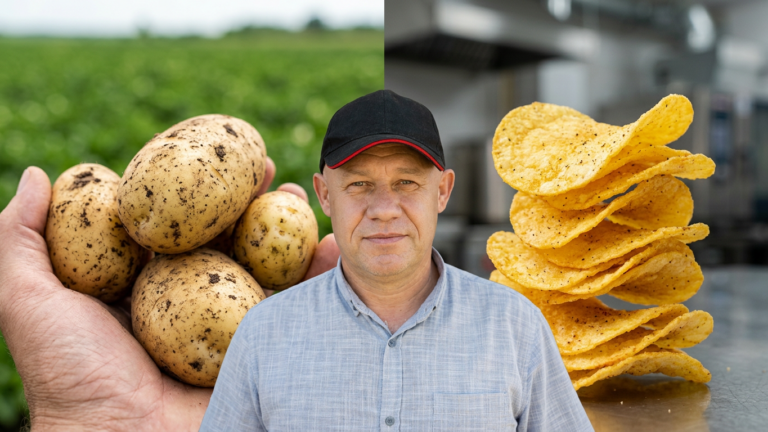
From a Garage Startup to an Agricultural Holding: How Central Asia Grows the Perfect Chipping Potato
229 Countries in Three Months: Who Reads POTATOES NEWS, and Why We’re Opening Partnerships for 2026–2027