Russia: EKSLi joins POTATOES NEWS as partner with AI sorter for unwashed potatoes
EKSLi's Russian sorter uses computer vision and AI and is already in active use at Russian enterprises
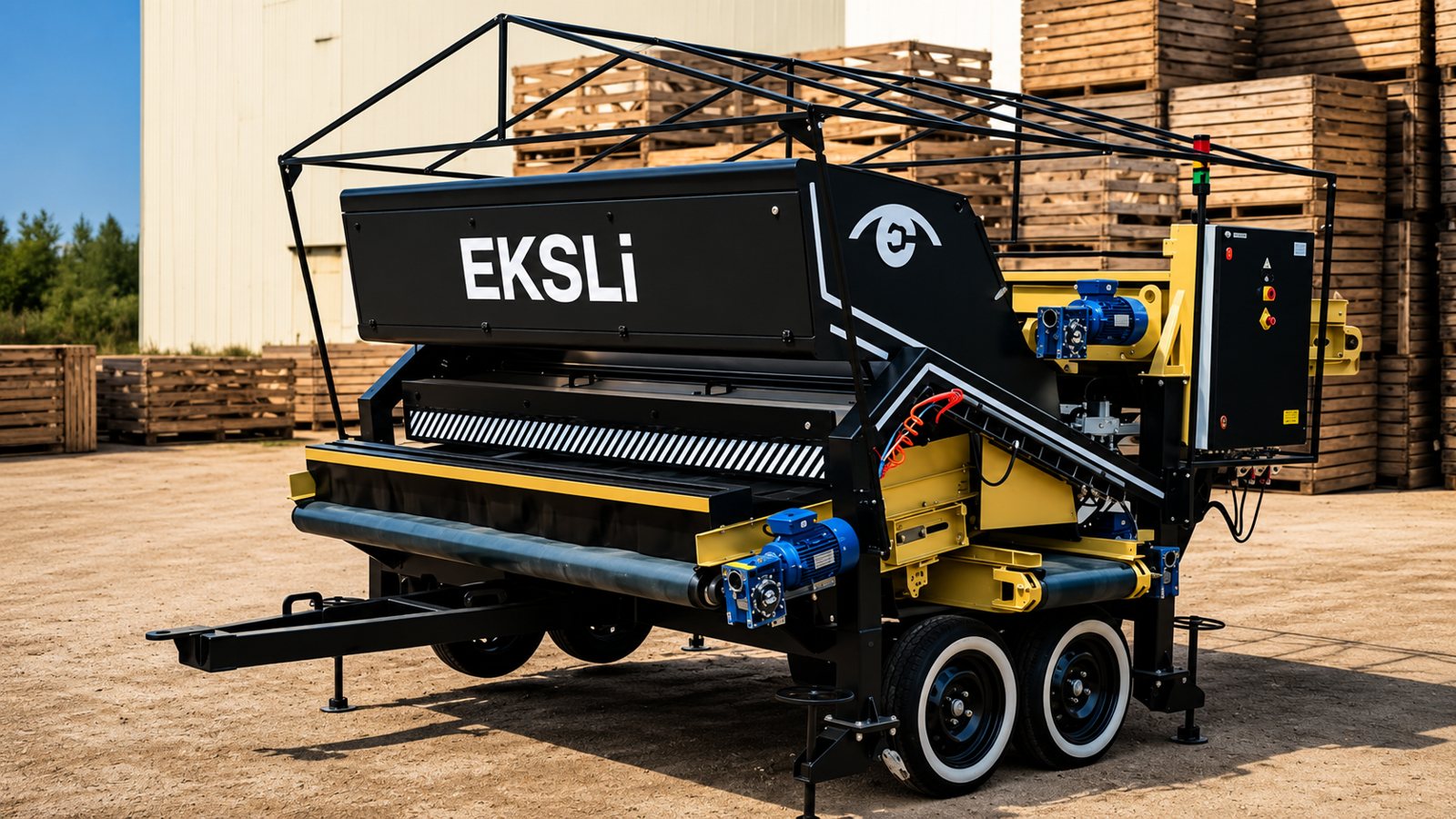
EKSLi, a Russian developer of computer-vision sorting equipment for agricultural produce, has become an official partner of POTATOES NEWS and the International Potato Tour. The company’s machines are already in active use at Russian enterprises, and its quality sorter, AgroSort Q, handles up to 25 tonnes of potatoes an hour.
EKSLi was registered in May 2022. The team did not start with a machine. It spent several years developing and training its own algorithms to recognise produce and foreign objects directly in a moving product stream, and only then turned to industrial equipment.
The first product was the AgroSort H series, branded Urozhai (“Harvest”). It performs primary sorting, removing stones and soil clods from the potato flow at up to 100 tonnes an hour. The second, the AgroSort Q series, branded Kachestvo (“Quality”), grades the tubers themselves. Development of AgroSort Q was completed in 2024; after roughly a year of testing, the machine was launched on the Russian market in 2025.
Weekdays. Unsubscribe in one click.
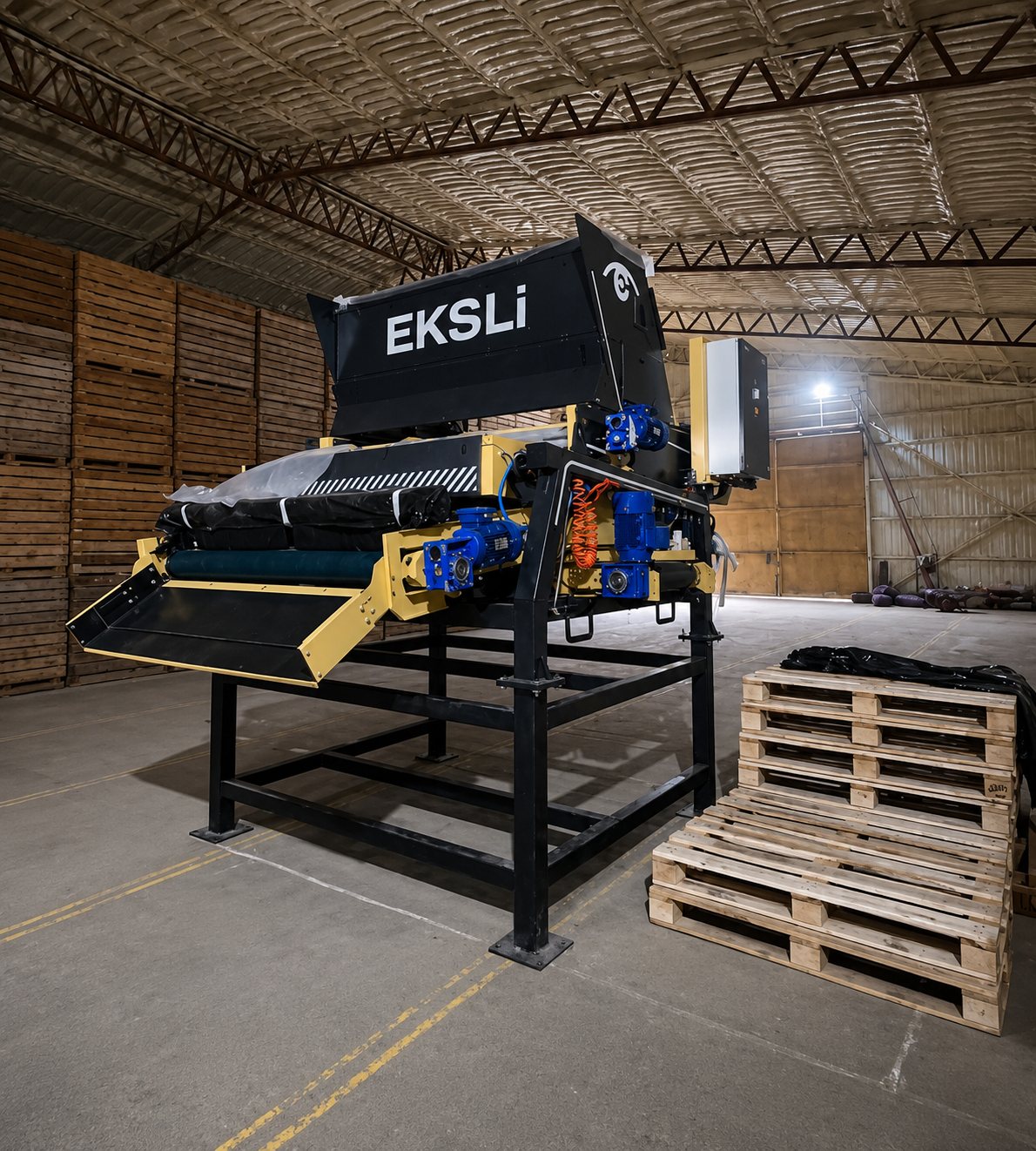
Cameras photograph the product as it moves along the line, and the software decides which stream each object should go to. According to EKSLi, the system detects rot and mould, mechanical damage, pest damage, growth cracks, shape defects and greening, as well as other traits set by the customer.
The difference is that grading criteria are set by each enterprise. One farm may reject mainly on greening, another on bruising or tuber shape. The machine does not simply split potatoes into good and bad. It sorts them into the categories a particular buyer or processor requires.
To a camera, a smear of soil and a patch of rot can look alike. On washed tubers, visual defects are relatively easy to detect. In a real grading line, part of the skin is often covered with soil, and the algorithm has to decide whether it is looking at dirt or at damage.
EKSLi says it was the first company in Russia to develop an optical sorter capable of grading unwashed potatoes in an industrial flow. This matters in Russia, where potatoes are often not washed before quality grading.
Russian grading lines also tend to be assembled from equipment of different makes and ages, often configured by the farm itself. EKSLi therefore treats integration as part of the job. Its specialists survey the existing line before delivery, then install the machine, calibrate it for the product and the farm’s requirements, commission it and train staff. Diagnostics, maintenance and software updates continue during operation.
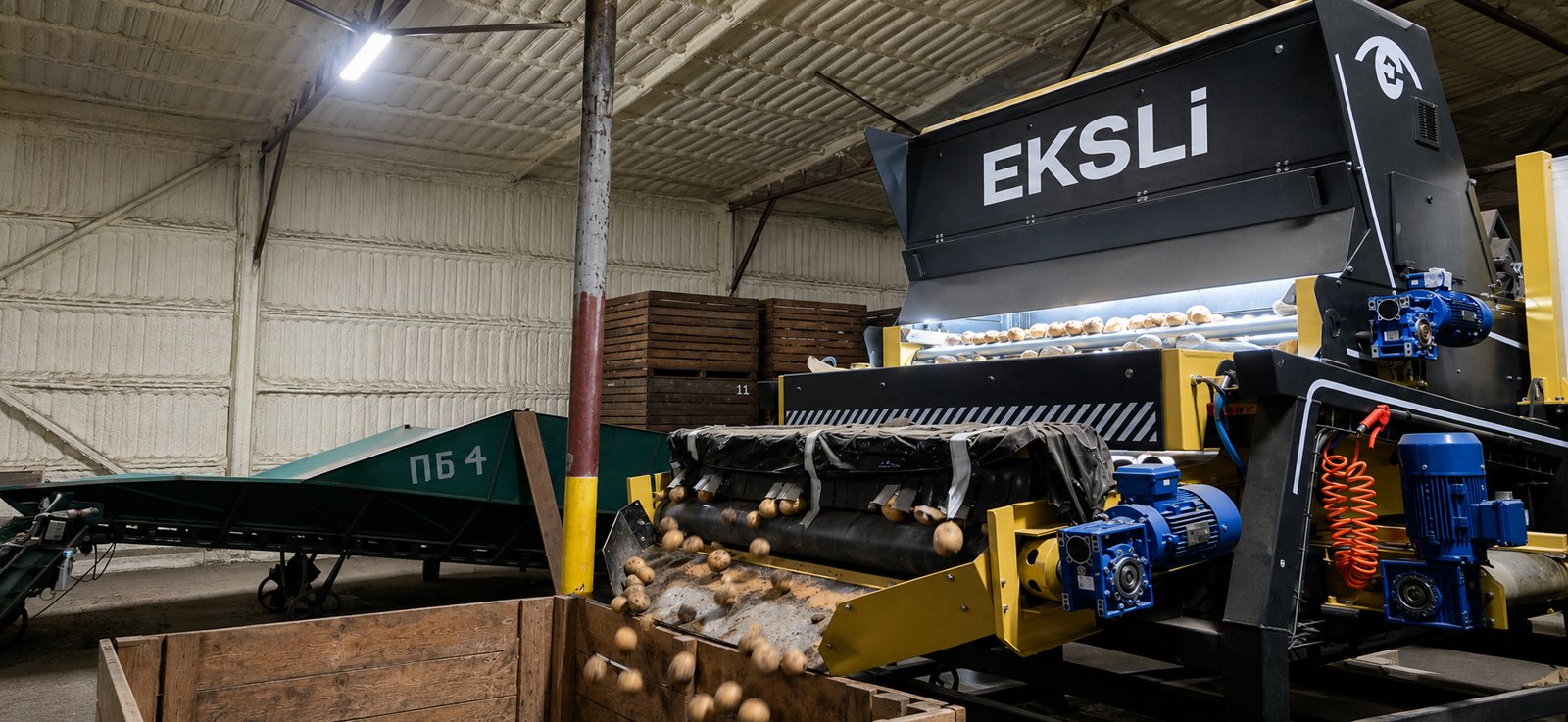
The main case for automation is labour. According to EKSLi’s clients, the total cost of one manual sorter, including wages and related expenses, is about RUB 120,000 a month. One AgroSort Q can replace up to 10 such workers.
The second effect is accuracy. When sorting is manual or imprecise, some marketable potatoes end up among the rejects. EKSLi’s expert estimate is that more accurate grading keeps around 5% more good-quality potatoes in the saleable flow. The company stresses that this is an estimate: farms have not yet kept dedicated statistics on the figure.
The technology is already in commercial use. At Spasskoye, named after V.A. Starodubtsev, in the Tula region, which has about 1,468 hectares under crops and handles around 45,000 tonnes of produce a year, an AgroSort Q-1600 has been running since 2025. At Agrofirma Vyatskie Zori in the Republic of Tatarstan, potatoes are planted on about 256 hectares; the farm bought the latest AgroSort Q-1600 in 2026.

“Our aim is not to replace people for the sake of automation. We solve specific problems for farms: staff shortages, inconsistent manual inspection and product losses during sorting,” says Maxim Lysenko, CEO of EKSLi. “Artificial intelligence has to work outside the laboratory. It needs to see real, soiled potatoes and fit into real production lines. For us, the technology is not only a neural network, but also equipment, integration and service.”
The equipment can already be used for onions and beetroot. Carrots are the next crop the company plans to adapt it for.
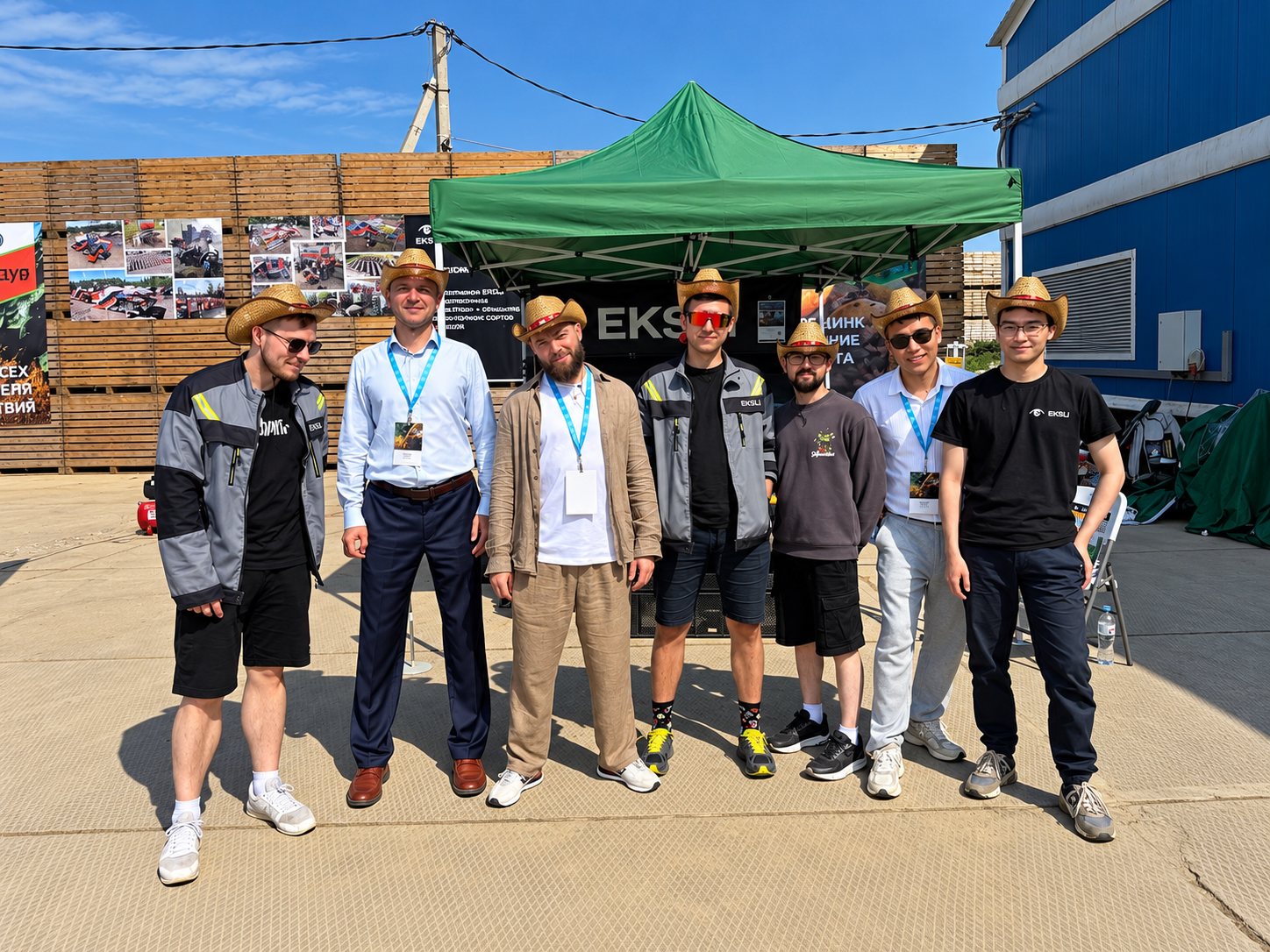
Disclosure: EKSLi is an official partner of POTATOES NEWS and the International Potato Tour.
Source: EKSLi
Photos: EKSLi