

Overcoming the “Only Blind Spot”: Koikeya Pride Potato’s 10th-Year Revolutionary Revamp with “Passion Consomme”
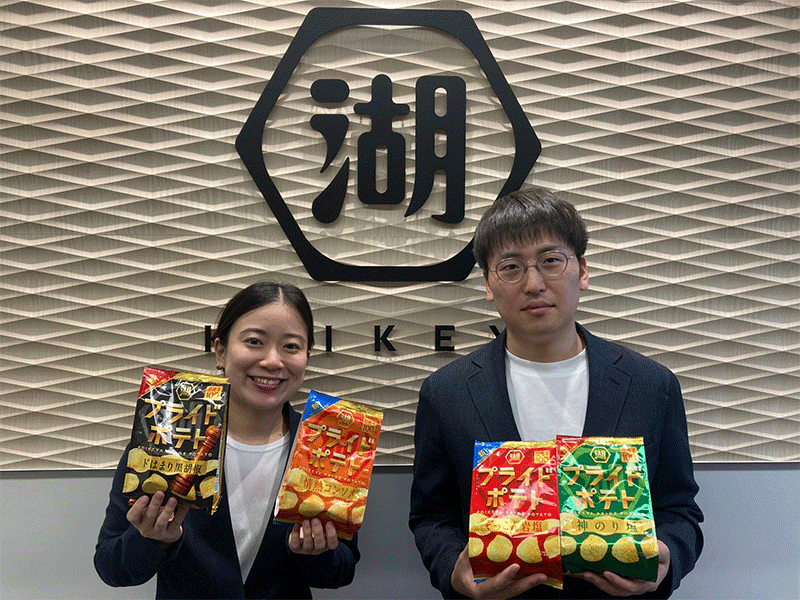
Launched in early 2017, Koikeya Pride Potato carved out a new premium category in the potato chip market by defying conventional wisdom—specifically, by skipping the blanching process to lock in the full umami of domestically grown potatoes. However, as the brand approached its 10th anniversary in 2026, marketers identified a single remaining weakness: “renshokusei” (continuous eating appeal). While consumers rated the chips highly for premium flavor and quality, scores for “never-get-tired” and “easy-to-eat” remained merely average. To address this, the team fine-tuned the “addictive oil” two-stage seasoning process in 0.1% increments and adjusted rock salt, seaweed, and black pepper coatings to prevent flavor hollowness while enhancing the craving for “just one more chip.” At the same time, the packaging was radically redesigned—enlarging the logo, emphasizing “100% domestic potatoes,” and replacing white spaces with bold flavor colors to boost shelf presence and communicate taste more directly.
The centerpiece of this major renewal is the new “Passion Consomme” flavor. Consomme ranks third in the chip market (12.6% share), but Pride Potato’s version deliberately targets adults seeking a rewarding indulgence rather than families or daily snackers. The development team engineered a sophisticated flavor curve: a bold, rich umami impact from aromatic vegetables at the first bite, followed by a clean, crisp finish that avoids heaviness. This contrast—strong attack versus sharp aftertaste—creates a deliberate “satisfying insufficiency” that keeps hands reaching for the next chip. This dual pursuit of richness and continuous eatability embodies Pride Potato’s decade-long philosophy of achieving the seemingly impossible. Moreover, the renewal reflects shifting consumer habits: with rising prices, more people now stretch a bag over several days, so enhancing “renshokusei” encourages finishing a bag in one sitting, protecting the brand’s “affordable daily reward” positioning while preserving its premium identity.