Climate Challenges and Their Impact on Global Potato Production The potato market across the globe is experiencing significant fluctuations due to varying climatic conditions. Countries from Europe to South Africa and the Americas are witnessing how weather…
Synchytrium endobioticum is a quarantine potato disease in many countries. Potato is the only cultivated host, but wild Solanum spp. are also infected in Mexico. A number of solanaceous plants, including tomatoes, can be artificially inoculated. S. endobioticum is an…
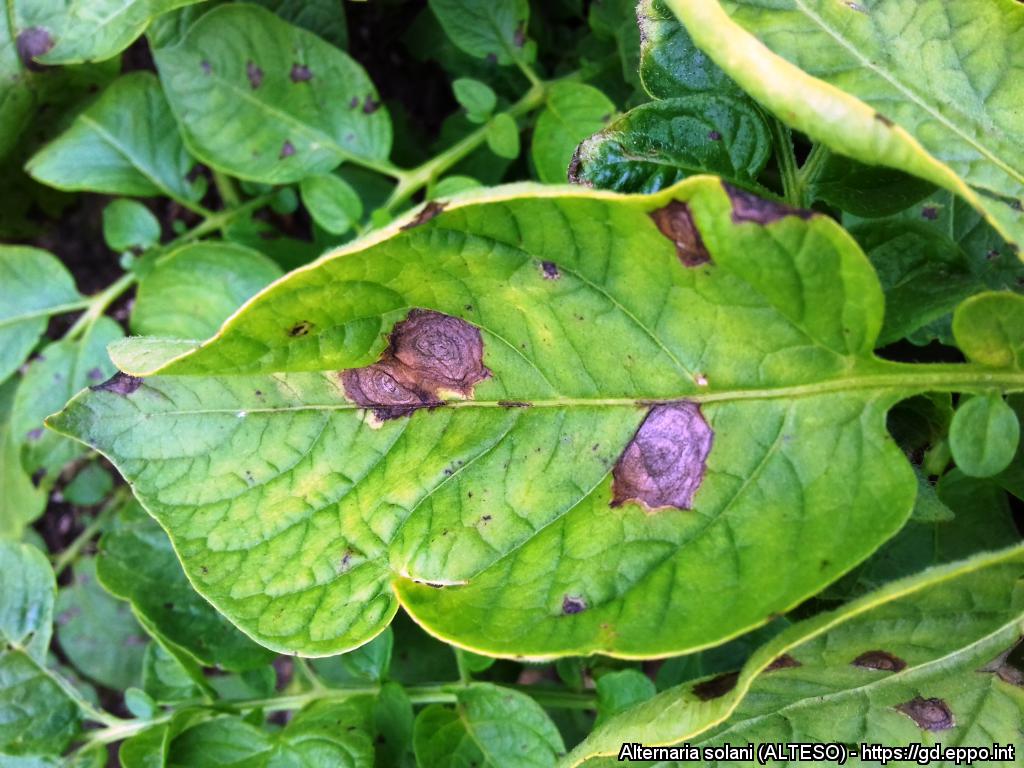
Alternaria spp. cause different diseases in potato and tomato crops. Early blight caused by Alternaria solani and brown spot caused by Alternaria alternata are most common, but the disease complex is far more diverse. Alternaria species adopt a wide variety of lifestyles. They…
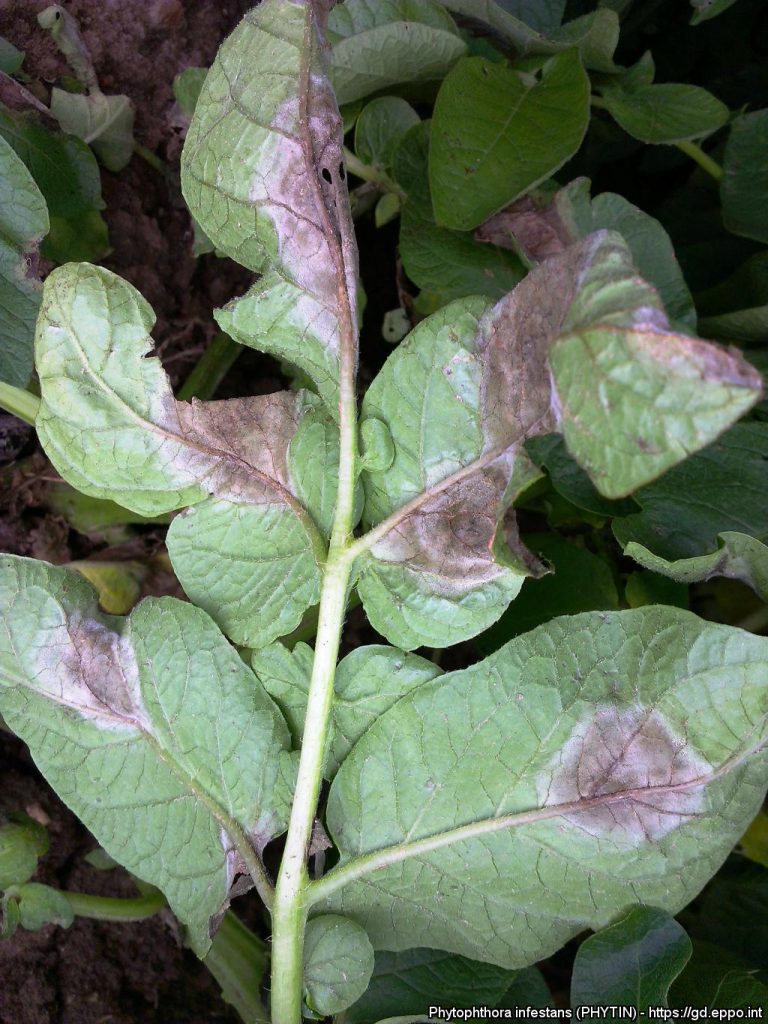
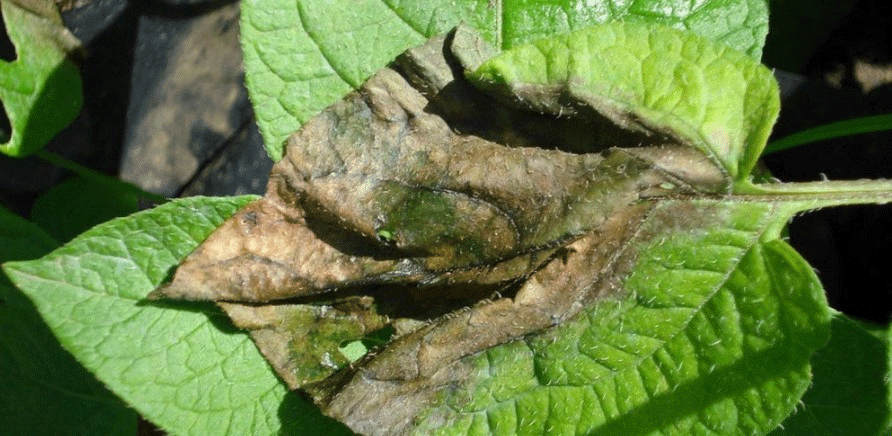
The Rising Threat of Late Blight Late blight is the most serious disease affecting potatoes, capable of destroying entire crops within days. This fungus attacks both the foliage and tubers, and its adaptability allows it to quickly…
Late blight, caused by Phytophthora infestans, is the most devastating disease of potato worldwide that can cause up to 100% crop loss under disease conducive conditions. The present study was carried out to evaluate and identify effective Trichoderma isolates against…
The threat of emerging plant diseases has become more frequent as global warming and international trade are increasing. Blackleg and soft rot of potatoes caused by the group of bacteria in the family Pectobacteriaceae and the genera Dickeya and Pectobacterium are…
Plant-parasitic nematodes cause significant economic losses in crop production, with root-knot nematodes (RKN; Meloidogyne spp.)) and potato cyst nematodes (PCN; Globodera spp.) being the top two in terms of agronomic impact. These are responsible for approximately 5%…
Weather Challenges and Crop Delays in Northwest Europe The fresh potato crop in northwest Europe, particularly in Belgium and the Netherlands, is facing significant delays due to persistent rainy weather that hindered plantings. These delays are expected…
The Spread and Impact of Late Blight in Ontario Late blight, caused by the pathogen Phytophthora infestans, is a devastating disease affecting both potatoes and tomatoes. Recently, outbreaks have been confirmed in Elgin County and Kent County,…
Meloidogyne chitwoodi and M. fallax belong to the root-knot nematodes, which is a polyphagous group of highly adapted obligate plant pathogens of about 100 species. Root-knot nematodes are distributed world-wide and parasitise nearly every species of higher…
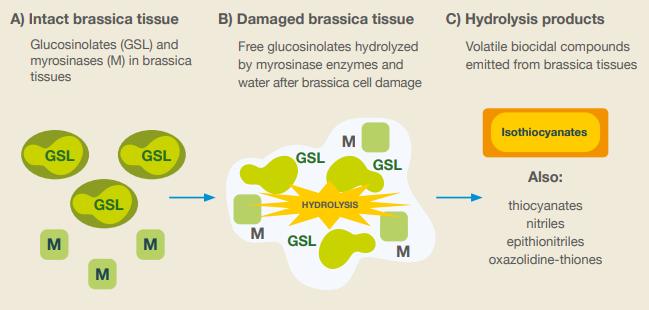
Biofumigation is the use of green manures crops which release biocidal molecules into the soil after their incorporation. This best practice was developed in several countries to cope with the withdrawal of methyl bromide, a most effective…
Globodera rostochiensis and Globodera pallida (potato cyst nematodes, PCNs) cause major losses in Solanumtuberosum . The main route of spread of these nematodes is movement of infested soil (e.g. on farm machinery, adhering to tubers). Infestation occurs…