Mexico: 2026 Potato Crop to Stay Above 2 Million Tonnes but Fall Below 2025 After Oversupply Squeezed Grower Returns
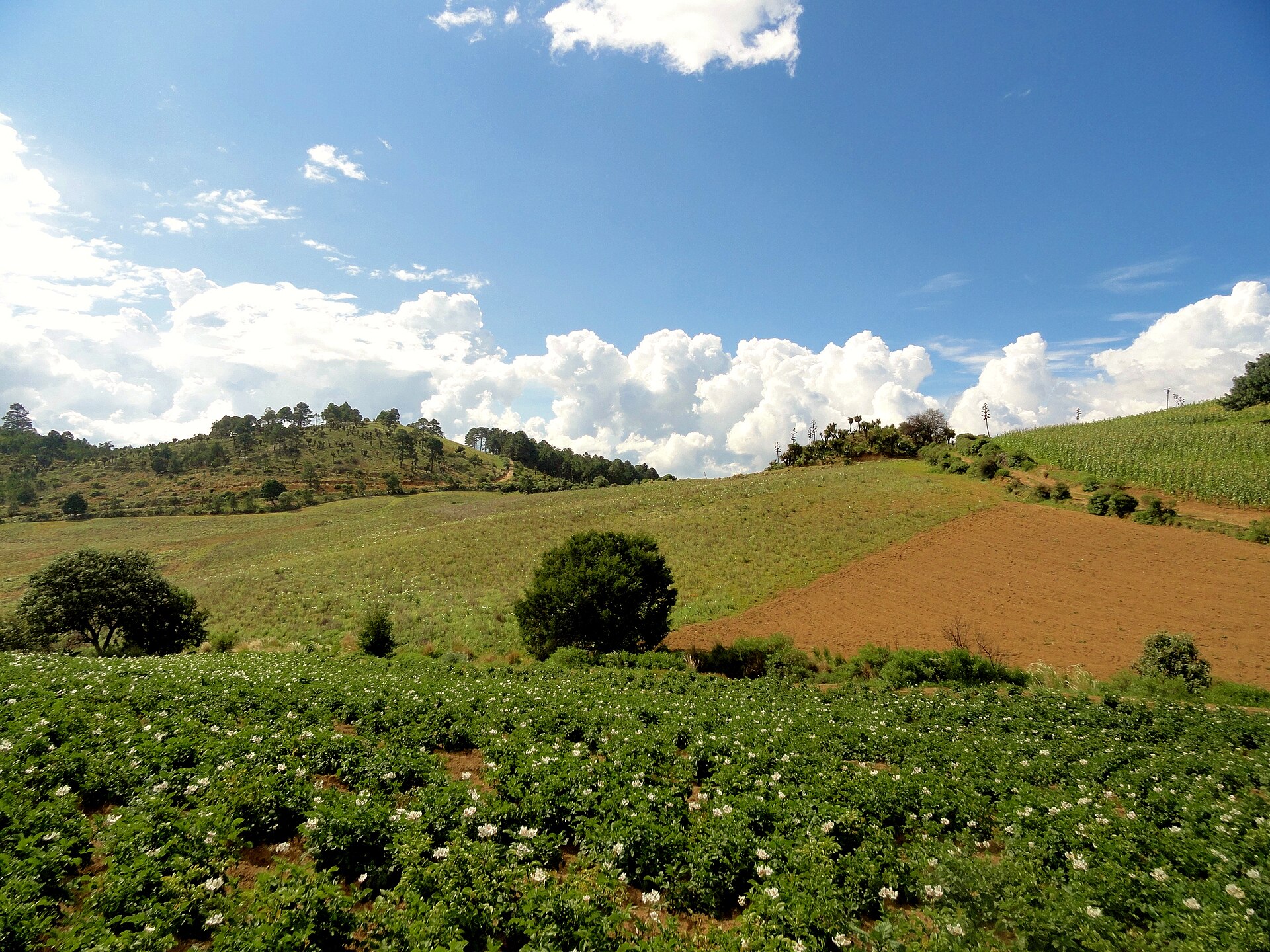
Mexico’s potato belt is planting less. The Confederación Nacional de Productores de Papa de la República Mexicana (CONPAPA) estimates that the 2026 national harvest will remain above 2 million tonnes but fall short of the 2025 result — a deliberate contraction after a season in which too many potatoes chased too few pesos, Argenpapa reports, citing Notisistema.
The arithmetic of the correction is straightforward. In 2025 Mexico produced approximately 2.3 million tonnes of potatoes, a volume heavy enough to swell market supply and press down the prices growers received. According to CONPAPA president Gildardo González Saldívar, the weaker prices cut the return on investment and directly conditioned planting decisions for the 2026 campaign. Faced with unfavorable economics, numerous producers reduced the hectarage devoted to the crop.
The intended consequence is market rebalancing: a smaller planted area should adjust supply and restore some equilibrium between volume and price. The unavoidable side effect is a smaller national potato volume overall — which, for a country that also imports fresh potatoes, shifts the demand-supply calculus for the season ahead. CONPAPA’s projection, holding the line above 2 million tonnes, suggests the confederation expects a correction rather than a collapse — a managed retreat that protects grower margins without triggering scarcity on the domestic market.
Weekdays. Unsubscribe in one click.
Weather, so far, has not been the story — though it has not been uniformly kind either. Conditions were generally favorable, but some producing regions contended with excess moisture while others passed through periods of insufficient rainfall. Those regional differences forced growers to adapt crop management to sustain yields and keep production relatively balanced — a reminder that even in a year defined by economics, agronomy still writes local exceptions.
Alongside the production outlook, CONPAPA raised a phytosanitary alarm that points directly at cross-border trade. The confederation identified one of the sector’s main challenges as protecting Mexican soils from quarantine pests that could arrive via imported fresh potatoes. It expressed concern over irregularities detected in some shipments originating from Idaho, in the United States, and demanded strict compliance with the phytosanitary norms and protocols established between the two countries. No pest species or specific interception was named in the report — but the public naming of a U.S. state signals that the issue has moved from routine inspection notes to a bilateral pressure point.
For North America’s potato trade, the Mexican signal matters on both counts. A smaller Mexican crop implies firmer domestic prices and potentially stronger import demand in 2026, while louder phytosanitary scrutiny of U.S. shipments raises the compliance bar for exporters. The next markers to watch are official planting figures from Mexican authorities and whether the flagged shipment irregularities translate into tighter inspection protocols — or formal trade friction.
Source: Argenpapa