Global: Chip Potatoes Need Stores Above 6°C to Stay Under the EU’s 750 µg/kg Acrylamide Benchmark
EU rules require processing potatoes to be stored above 6°C. US guidance and a 2024 Kenyan study show how warmer storage and reconditioning cut reducing sugars and lighten chips.
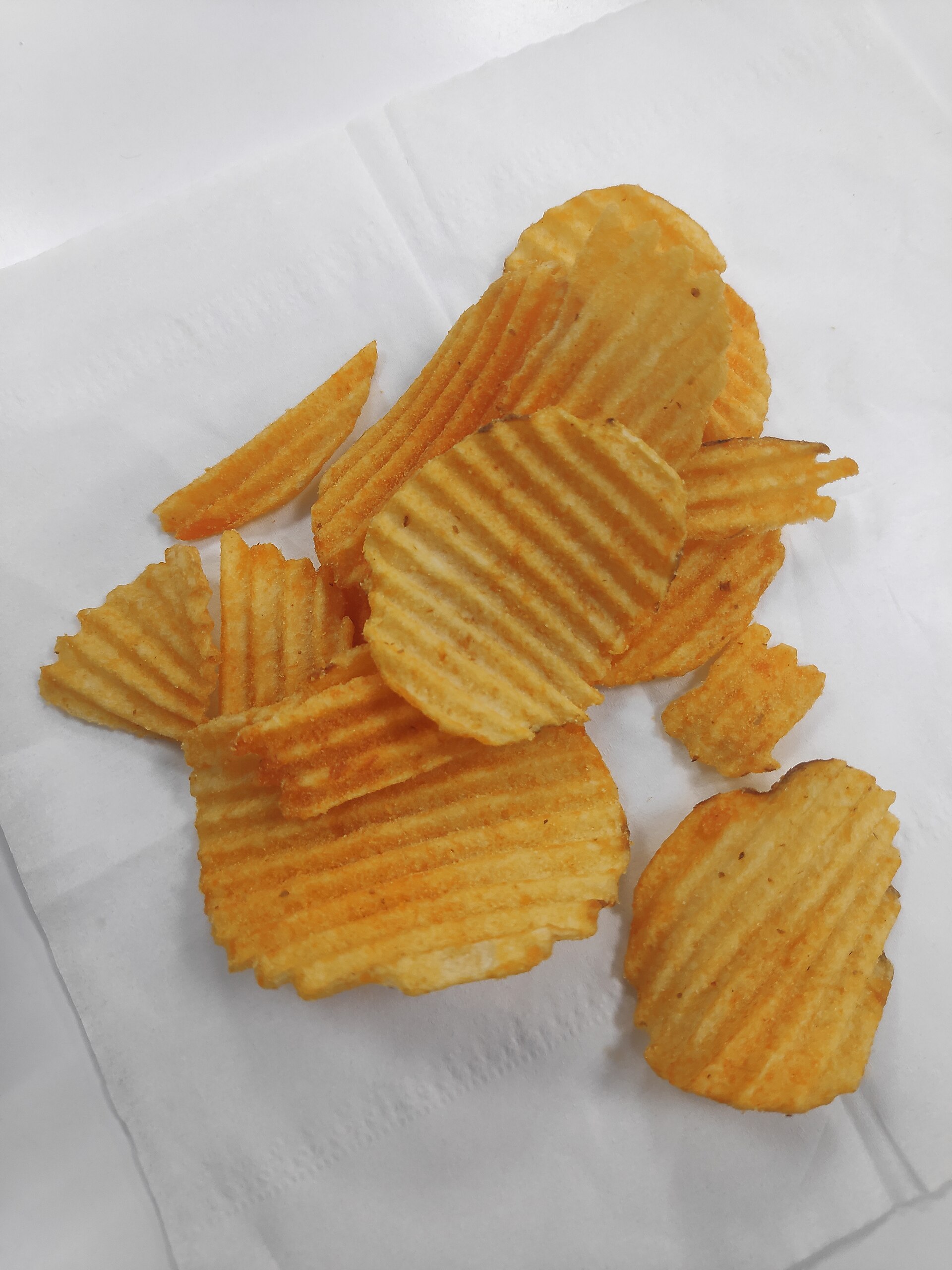
As potato stores fill in the Northern Hemisphere, processors face a familiar question: how cold can crisping and French fry potatoes be kept without sugar problems? Rules and research give clear numbers. The European Union’s acrylamide regulation, Commission Regulation (EU) 2017/2158, says potatoes for these products must be stored at a temperature suited to the variety and above 6 °C. It sets benchmark levels of 750 µg/kg for potato crisps and 500 µg/kg for ready-to-eat French fries.
Cold storage causes cold sweetening. Starch turns into glucose and fructose. These reducing sugars react with the amino acid asparagine during frying and form acrylamide. They also darken the product. The US Food and Drug Administration (FDA) guidance on acrylamide, issued in March 2016, recommends temperatures above 43 °F (about 6 °C) for long-term storage. It notes that some guidelines suggest about 50 °F (10 °C) or more for chipping potatoes and 47–50 °F (about 8–10 °C) for French fry processing.
The FDA document also quotes a University of Idaho target: glucose below 0.35 mg/g fresh weight for chipping potatoes and below 1.2 mg/g for French fries. The EU regulation asks processors to set a maximum reducing sugar content in supply contracts. If a lot is above that limit, it can only be used with extra mitigation steps.
Weekdays. Unsubscribe in one click.
Reconditioning: how much it helps
Potatoes that have already been cold can be reconditioned at a warmer temperature. The FDA guidance mentions temperatures around 60 °F (about 16 °C). It warns that after long storage, cold sweetening may be difficult to reverse.
A 2024 study in the journal Foods, from Jomo Kenyatta University of Agriculture and Technology in Kenya, measured the effect. Three varieties (Shangi, Unica and Dutch Robjin) were stored at 4 °C for 30 days and then reconditioned at 22 ± 3 °C for 9 days. Glucose fell by 49.5–54.1% and fructose by 38.2–57.5%. Chip lightness (L* value) rose by 34.0–55.8%, and French fry lightness by 24.2–28.8%. The authors cite critical glucose levels of 8–14 mg/100 g for chips and 12–22 mg/100 g for French fries.
Why it matters
Reconditioning is a rescue tool, not a storage plan. The Kenyan results show large gains after a short cold period, but the FDA warns that the effect is weaker after long cold storage. Warmer stores also need other tools for sprout control, so store managers must balance sugar control and sprouting.
For growers with processing contracts, the practical steps are simple: know the variety, keep stores above the contract temperature, test fry colour or sugars before delivery and keep records. Processors can use these tests to meet contract limits and stay below the EU benchmarks.
Photo: Potato crisps (illustrative). Gaurav Dhwaj Khadka / Wikimedia Commons, CC BY-SA 4.0