Colombia’s 90,000 Potato Growers Get a Cost-Cutting Roadmap — and a Direct-to-Retail Ambition
Colombia's agriculture ministry and Fedepapa will work four fronts — irrigation, certified seed, knowledge transfer, mechanization — to cut small growers' labor costs by up to 50%, with field sessions starting 25 October in Villapinzón.
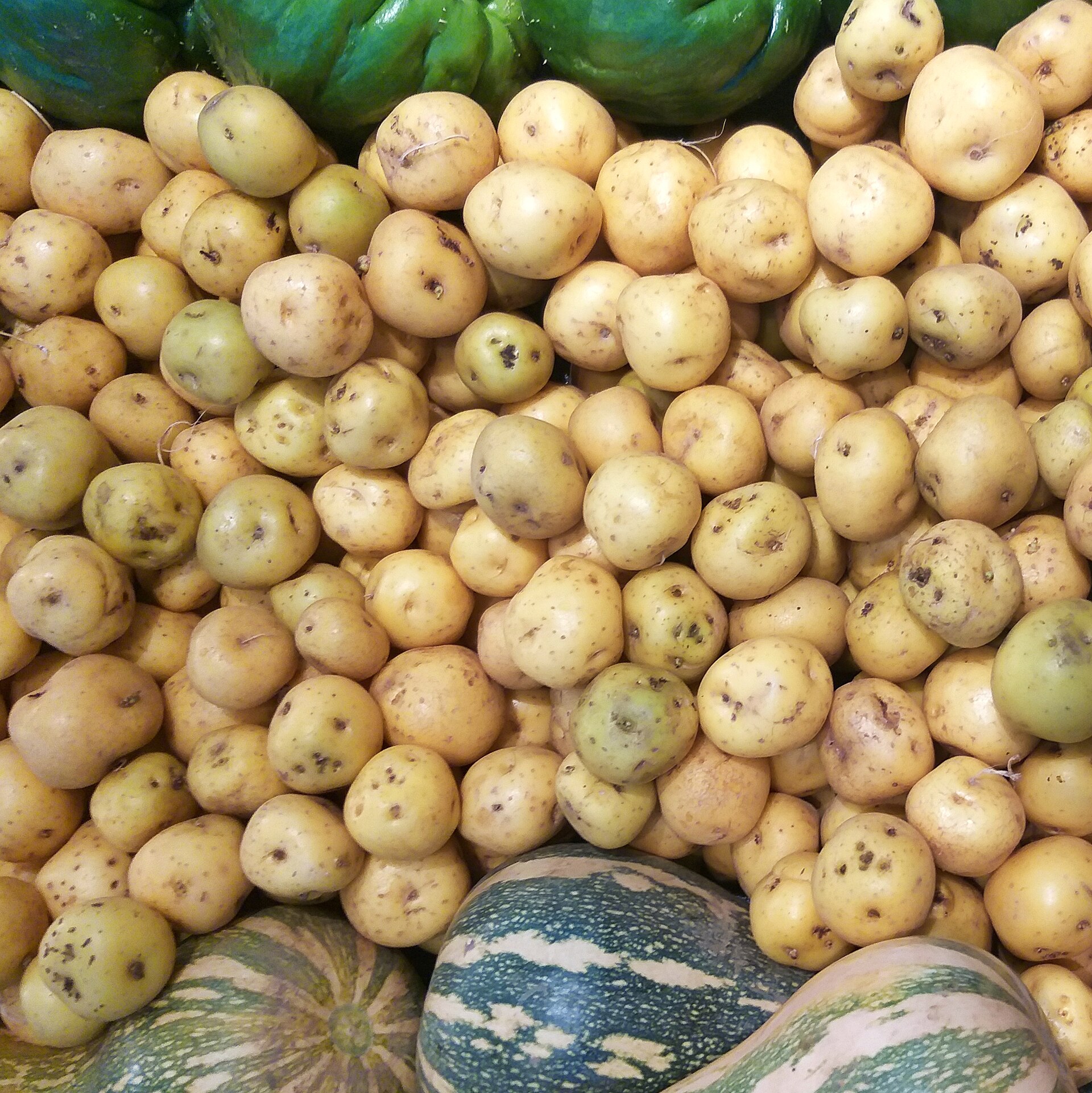
Colombia’s potato economy is a smallholder economy: around 90,000 direct growers spread across more than 39,000 production units, with a chain that touches upwards of 350,000 families. When the Ministry of Agriculture and Fedepapa sat down to draft a joint cost-cutting roadmap, the arithmetic of that structure set the agenda.
The roadmap, agreed in mid-October, works four fronts: efficient irrigation systems, certified seed use, knowledge transfer and crop mechanization. Field sessions with growers begin on 25 October in Villapinzón, Cundinamarca — the high-altitude potato heartland — and are meant to run through 2027. Agriculture Minister Indalecio Dangond says simple machinery adapted to small farms could cut some labor-associated costs by up to 50%. A financial package of long-term credit, agricultural insurance and investment incentives is being assembled alongside.
Cutting out the middle
The more radical plank is commercial. Fedepapa wants to receive, brush, wash and pack growers’ potatoes itself and sell directly to large retail — compressing a chain in which intermediaries currently capture much of the margin. “The intermediaries are killing this business,” as Infobae paraphrased the federation’s position. Direct supply to supermarket shelves would be a first for the grower federation at scale.
Why now
The plan follows a difficult two years for Colombian growers: a 2025 oversupply pushed potato prices to historic lows, and growers have been pressing for relief since.