Food system sustainability relies on potato’s “wild relatives”
Looking ahead to the next 50 years, potato researchers and farmers have significant concerns about producing enough food under the stressors of climate change.
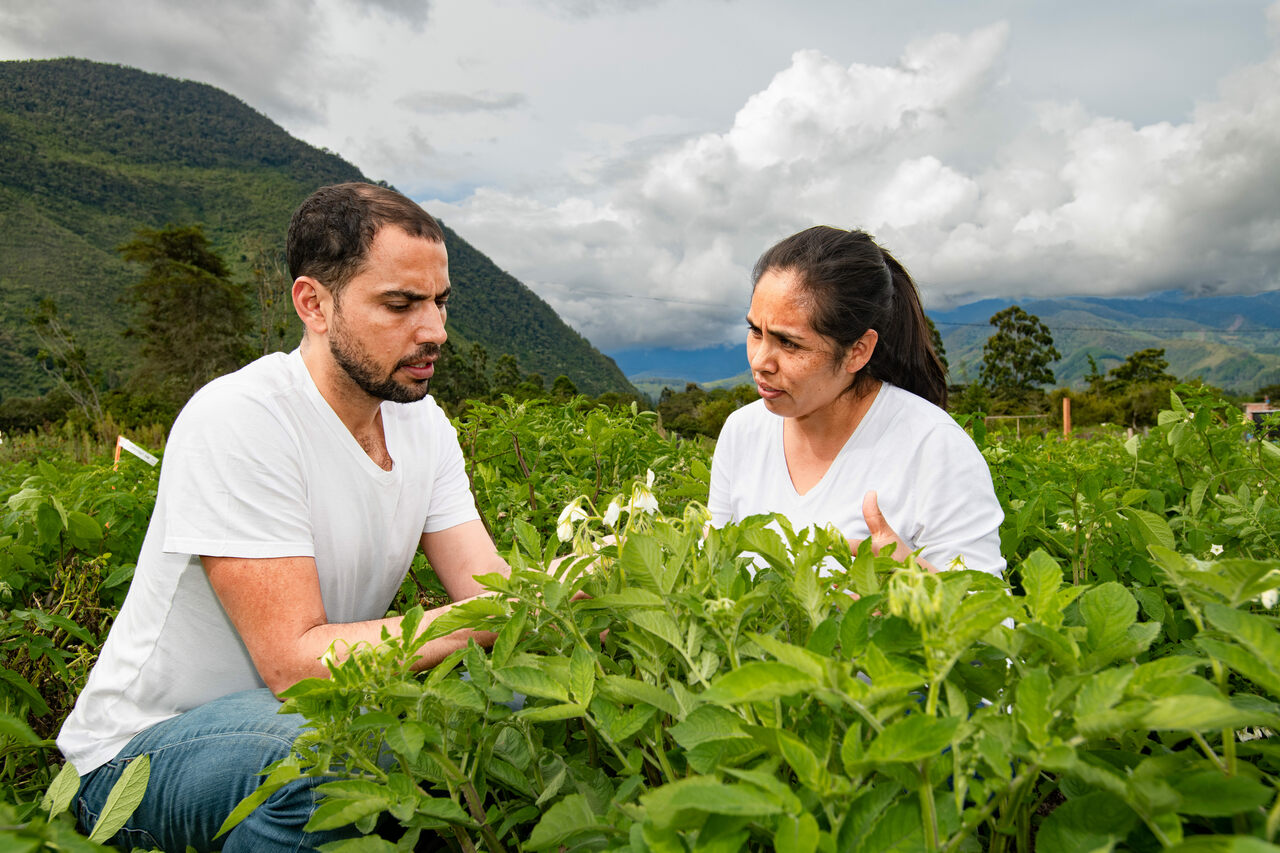
Looking ahead to the next 50 years, potato researchers and farmers have significant concerns about producing enough food under the stressors of climate change. However, a potential solution exists within the potato “family.”
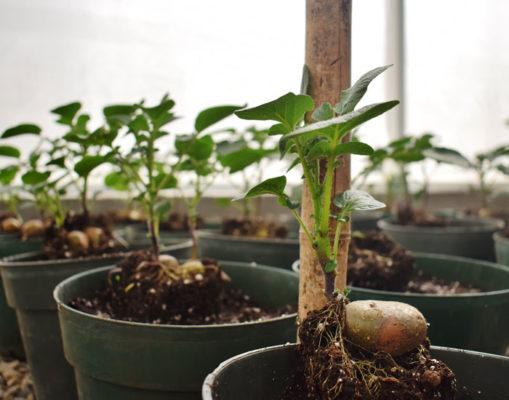
Crop wild relatives of potatoes are genetically-related to potatoes that we grow and consume and they contain valuable traits that can be built into consumer varieties to help ensure reliable yields and high-quality potatoes for shoring up food and nutrition security. While many crop relatives are not edible, their valuable traits mean we should preserve this diversity for future use to strengthen our food systems.
For these reasons, the Crop Trust and International Potato Center (CIP) recently hosted “Using Potato Wild Relatives in Pre-Breeding” to discuss the current state of work with crop wild relatives and how these important potato species can be used to support global food systems. The two-day panel included a variety of researchers of the private and public sectors who are combined their efforts to ensure food production keeps pace with global population growth.
The timeliness and importance of the workshop provided a running theme through all the presentations. Benjamin Kilian, a Senior Scientist of Plant Genetic Resources at the Global Diversity Crop Trust and Manager of the Crop Wild Relatives (CWR) Project, said climate change was forcing breeders to look for all possible sources including crop wild relatives to create new crop varieties that can grow in more challenging conditions.
Weekdays. Unsubscribe in one click.
“The CWR Project has collected more than 4,500 samples of crop wild relatives in 24 countries. In Peru alone, our partners collected about 300 samples of wild potatoes for future crop improvement and food . These precious plants must now be multiplied and conserved for wider use.”
The CWR Project is a truly unique long-term and global food systems to close the gap between genebanks that hold and safeguard crop wild relatives and the breeders and farmers who use them. It supports 19 pre-breeding partnerships (19 crops) in 50 countries and with more than 100 partner organizations.
“We are proud to support the CIP-led potato pre-breeding and evaluation project,” says Kilian, adding that the project has been supporting this potato pre-breeding and evaluation project since the end of 2013.
Hannele Lindqvist-Kreuze, the Division Leader of Crop Improvement at CIP, echoed Kilian’s sentiments, saying the quickening pace of climate change meant breeders would need to find ways to accelerate new variety development.
“Emerging pests and diseases and abiotic stress will continue to impact potato production. While using crop wild relatives is a critical approach for us, the process of stacking of traits and building them into new varieties is a long process and we must solve the bottlenecks that complicate potato breeding.”
In particular, it is the “pre-breeding” stage of variety development that is long and costly. The opening panel focused not only on case studies for accelerating pre-breeding but also on the important process of working with farmers to ensure that scientists develop varieties that will have the traits that men and women, and farmers and consumers, want.
Thiago Mendes, a potato breeder with CIP, presented how his team selects pre-bred materials for traits that farmers wanted in terms of resistance to late blight disease and bacterial wilt. To date, they have begun to use 12 wild relatives that display those characteristics. The early returns on crossing these species with conventional potato were encouraging, Mendes said, and his team would now focus on documenting their process and preparing the best selections for release as varieties to share with breeders around the world.
On the other side of the breeding process are the farmers and consumers who will buy these improved varieties. If new varieties are produced that have good disease resistance but are difficult to cook or taste bad, farmers simply won’t grow them and the breeding efforts go for naught.
Maria Scurrah is a plant breeder with Grupo Yanapai in Peru, who has conducted numerous selection trials with farmers to make sure that breeders understand what characteristics farmers want.
“Participatory variety selection allows [farmers] to feel empowered in the process. This ensures they will be among the first to access the new seed and spread the word about improved varieties. This word– of– mouth contributes to higher adoption rates.”
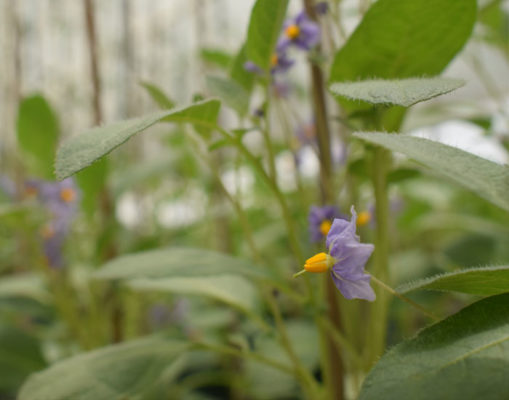
At CIP and the Plant Breeding and Acclimatization Institute in Poland (IHAR), breeders are focusing on improving their use of pre-bred germplasm to develop varieties appropriate for the farmers they serve.
Norma Manrique is an associate scientists in the CIP genebank who works to conserve, document and distribute germplasm that contains pre-bred traits for new varieties. She said the distribution of germplasm takes place using the Standard Material Transfer Agreement of the Multilateral System to provide global and equitable access to genetic resources.
IHAR is one recipient who has benefited from the Plant Treaty. Researcher Paulina Smyda-Dajmund explained how her organization uses germplasm samples to develop parental lines for breeding new varieties.
“In Poland, late blight and some native pests are our biggest challenge. To date, since the 1960s, we have developed 72 varieties for Polish farmers to help minimize the effects of those challenges.”
Having set an important foundation for understanding the challenges of using CWR in conventional potato breeding, day 2 focused on private and public sector efforts to streamline the development of new varieties. While the public sector offers the resources for collecting and studying CWRs for new varieties, the private sector (groups such as HZPC, Embrapa and Solynta) offers market access, technical innovations, and increased capacity for rapid dissemination of new varieties – a potent combination as breeders continue to anticipate and hurdle future challenges in potato production.