• About Us
  • Partnership & Advertising Opportunities
  • Careers at Potatoes.News
Thursday, May 14, 2026
  • Login
  • Register
No Result
View All Result
POTATOES NEWS
  • NEWS
  • IPT
  • AGROTECHNOLOGY
  • IRRIGATION
  • POTATO PROCESSING
  • Contact us
  • NEWS
  • IPT
  • AGROTECHNOLOGY
  • IRRIGATION
  • POTATO PROCESSING
  • Contact us
No Result
View All Result
POTATOES NEWS

Flooded Potato Cellar: How to Rescue Seed Tubers and What to Do with Spoiled Ones

by T.G. Lynn
03.05.2026
in News, Seeds
A A
Flooded Potato Cellar: How to Rescue Seed Tubers and What to Do with Spoiled Ones

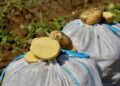
Spring floods often leave potato cellars underwater, creating a serious problem for those storing seed potatoes. Specialists from the Altai Center for Quality Assessment of the Agro-Industrial Complex have provided guidance on how to salvage the situation. First aid involves quickly removing the tubers from the water, rinsing off dirt under running water, and thoroughly drying them in open air. Only after this should you sort through them, removing any rotten, damaged, or softened tubers to prevent infection of the entire batch. However, even potatoes that look healthy may be unfit for planting — water leaches out vitamins and minerals, but more critically, it deprives the eyes (buds) of oxygen. While the tuber itself may remain firm, the buds often die, making germination impossible.

How can you tell if a potato is alive or dead? Experts recommend checking several signs: smell (neutral or slightly earthy is good; sweet, musty, or rotten is bad), firmness (a healthy tuber is firm and heavy for its size), and the appearance of the eyes (thick, light-colored eyes are a positive sign; black, indistinct ones indicate the potato is useless). The duration of submersion is critical: less than seven days in water offers a chance of recovery; eight to twelve days severely reduces seed quality; more than twelve days means the tubers are unsuitable for planting, as they will rot quickly in the soil without sprouting. Spoiled potatoes can be used with caution as animal feed (risk of solanine if fungus-infected) or added to compost, ensuring proper technique to avoid spreading diseases. To prevent future floods, experts advise drying the cellar, treating walls with antiseptics, digging drainage ditches, and applying waterproofing.


Tags: Altai Quality Assessment Centercellar waterproofingflooded cellarPotato Diseasespotato eye germinationpotatoes in watersalvaging tubersseed potato after floodsolanine
Next Post
Costa Rica: Productores solicitan respaldo inmediato para fomentar el consumo de papa nacional argenpapa.com.ar/noticia/17232-

Costa Rica: Productores solicitan respaldo inmediato para fomentar el consumo de papa nacionalargenpapa.com.ar/noticia/17232-

General Partner

REGIONAL PARTNER IN ARMENIA

REGIONAL PARTNER IN AZERBAIJAN

REGIONAL PARTNER IN GEORGIA

REGIONAL PARTNER IN PAKISTAN

REGIONAL PARTNER IN PRC

REGIONAL PARTNER IN TÜRKİYE

Recommended

THC-infused Potato Chips On Sale in the USA

THC-infused Potato Chips On Sale in the USA

4 years ago
Researchers find new way to protect plants from fungal infection

Researchers find new way to protect plants from fungal infection

6 years ago
REGIONAL PARTNER IN EGYPT REGIONAL PARTNER IN EGYPT REGIONAL PARTNER IN EGYPT
  • About Us
  • Partnership & Advertising Opportunities
  • Careers at Potatoes.News

© 2010-2026 POTATOES NEWS

Welcome Back!

Login to your account below

Forgotten Password? Sign Up

Create New Account!

Fill the forms bellow to register

All fields are required. Log In

Retrieve your password

Please enter your username or email address to reset your password.

Log In
No Result
View All Result
  • NEWS
  • IPT
  • AGROTECHNOLOGY
  • IRRIGATION
  • POTATO PROCESSING
  • Contact us

© 2010-2026 POTATOES NEWS