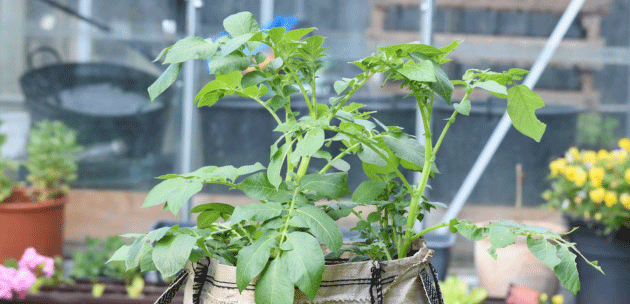
A recent study has uncovered a striking disparity in PFAS (per- and polyfluoroalkyl substances) distribution in agricultural environments. While soil samples predominantly contained legacy PFAS compounds accumulated over years of wastewater irrigation, potato leaves showed alarmingly high concentrations of short-chain perfluorobutanoic acid – hundreds of times higher than in the soil beneath them. The leaf-to-soil concentration ratio ranged from 266 to 1,200, strongly indicating that the plants absorbed these toxins from the air rather than through their root systems. Potential sources include burning firefighting foams or fluorinated polymers from ammunition, though direct evidence remains inconclusive.
Fortunately, the edible potato tubers accumulated significantly lower levels of harmful substances, with overall PFAS concentrations not exceeding those typically found in Europe, Asia, and the United States. The researchers emphasize that leaf analysis is far more effective than soil testing for detecting fresh atmospheric pollution events. This finding will help improve monitoring strategies in regions where soil carries a long-term historical burden, while ongoing conflicts continue to generate new sources of environmental hazard.