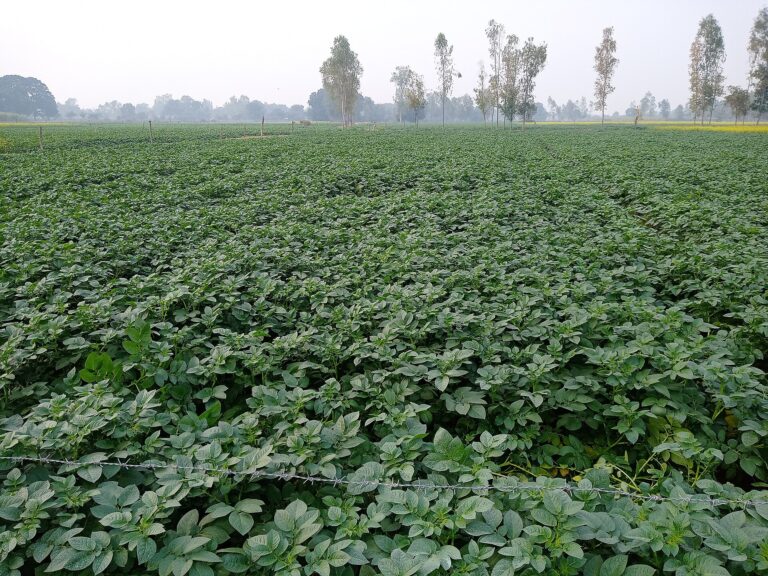
Emma Potato: How a 3,830-Metre Plateau Crop Became a National Brand Thanks to 24 Years of Shandong’s Tibet Aid Program

Key takeaways
- Grown at 3,830 metres in Emma Township, Tibet
- Over 20 million yuan into a seed potato base
- 2.4 million original seeds, 1,000+ t breeder seed
- 50,000 mu planted, about 130,000 t a year
- One household earns ~120,000 yuan from potatoes
Why it matters
- For farmers
- Bianba Tsering’s household earns about 120,000 yuan a year from 24 acres — the aid programme is measured in that, not in tonnage.
- For suppliers
- Local original seed and breeder seed production is what makes the geographical indication defensible rather than decorative.
- For investors
- Capital, technology and market access left behind as a working system is the model the article argues for.
60-second summary
On the alluvial plains of the middle Brahmaputra in Emma Township, Nangmu County, at 3,830 metres, the Emma or “Snow Plateau” potato has gone from local staple to nationally recognised geographical-indication product — large, thin-skinned, high in starch, with a sandy aromatic texture. The change rests on 24 consecutive years of support from the Weifang Tibet Aid Task Force from Shandong, which put over 20 million yuan into a seed potato breeding base in the Xianghe Modern Agricultural Demonstration Park combining virus-free seedling propagation, tissue culture and greenhouse cultivation; it now produces 2.4 million original seeds and over 1,000 tonnes of breeder seed a year. Order-based sales with Everest Agricultural Investment average over 4 million yuan annually, and a 700,000-yuan livestreaming e-commerce base sold 40 tonnes in four days in September 2025. County plantings reach 50,000 mu with output around 130,000 tonnes.
On the alluvial plains of the middle Brahmaputra River in Emma Township, Nangmu County, at an altitude of 3,830 metres, the Emma potato—also known as the “Snow Plateau” potato—has been transformed from a locally consumed staple into a nationally recognised geographical-indication product. Characterised by its large size, thin skin, high starch content, and sandy, aromatic texture, this premium potato now underpins a thriving local industry. The turnaround stems from 24 consecutive years of dedicated support by the Weifang Tibet Aid Task Force from Shandong Province. The team invested over 20 million yuan to establish a seed potato breeding base within the Xianghe Modern Agricultural Demonstration Park, integrating virus-free seedling propagation, tissue culture, and greenhouse cultivation. Today, the base produces 2.4 million original seeds and over 1,000 tonnes of breeder seeds annually. The task force also partnered with Everest Agricultural Investment Company to implement order-based sales averaging over 4 million yuan per year, invested 700,000 yuan in a county-level livestreaming e-commerce base, and sold 40 tonnes of potatoes in just four days during a September 2025 livestream event that reached more than 20 million views. Leveraging national platforms like the Shouguang Vegetable Expo, the Emma potato brand has expanded its reach from Tibet to the entire country.
The impact on local farming families has been profound. Bianba Tsering’s household, with 24 acres of potato fields in Deqing Village, now earns approximately 120,000 yuan annually from potatoes alone, with cash income of 60,000 yuan supplemented by in-kind earnings. Their produce is regularly supplied to a restaurant in Shigatse, alongside orders from long-standing clients in Renbu and beyond. According to Mima Dungzhu, a technical specialist at the Nangmu County Agriculture and Animal Husbandry Comprehensive Service Centre, the unique growing conditions—intense sunlight, wide diurnal temperature variations, and high soil sand content—imbue Emma potatoes with superior quality that consumers prize highly. With 50,000 mu (approximately 3,333 hectares) now planted across the county and annual output reaching about 130,000 tonnes, the Emma potato exemplifies how sustained aid efforts focused on “blood transfusion” and “haematopoiesis”—bringing capital, technology, and markets while leaving behind durable industrial systems and local talent—can turn a traditional crop into a prosperous, sustainable livelihood pillar for highland communities.
Global Potato Brief
Top five stories, prices, disease alerts and events. Weekday mornings, no advertising.
Sources
- Mima Dungzhu, Nangmu County Agriculture and Animal Husbandry Comprehensive Service Centre — quoted in the article
Linked in this material
- Country
- China
- Technologies
- Virus-free seedling propagation; tissue culture; greenhouse cultivation; livestream e-commerce
- Sections
- Growing seedsNews
Related stories

Russia Accelerates Development and Certification of New Domestic Potato Varieties in 2026
Russian Potato Breeders Validate 11 Domestic Varieties in Moscow Region Greenhouse Trial