Conceptual Architecture and Strategic Priorities of the Project
In the context of increasing volatility in global food markets, climate change, and structural shifts in supply chains, the potato industry is experiencing an acute need for knowledge consolidation and the transfer of advanced technologies. The initiative, dubbed the “International Potato Tour” (IPT), was formed as a fundamental analytical and practical platform aimed at uniting industry professionals, studying adaptive agronomic practices, and building new economic ties1. This project, initiated by industry expert Viktor Kovalev, transitioned from a format of regional reviews to the status of a global expedition, documenting the state of the industry in key production hubs across Eurasia, Africa, and the Middle East3.
The strategic scaling of the project in 2025–2026 was made possible by a general partnership with JSC Firm “Avgust,” one of the leading developers of chemical crop protection products. This partnership allowed the research focus to shift from descriptive agronomy to an in-depth analysis of phytosanitary challenges and the development of integrated protection systems, covering the entire production cycle: from microclonal in vitro propagation to industrial storage and deep processing1. The project also attracted a number of technological and regional integrators, including MATTON Machinery, Genta Tarım (Turkey), Sapsan Trade LLC (Transcaucasia), IOTO AGRO LLC (Georgia), and Wakulima Help Desk (Kenya), demonstrating the formation of a robust transnational expert network2.
The fundamental value of this expedition lies in its ability to identify local solutions for global challenges. By analyzing water conservation practices in arid regions, soil erosion control methods, strategies for overcoming pathogen resistance, and the implementation of digital technologies, the tour compiles an unprecedented knowledge base. This data is disseminated through a broad network of industry media, acting as a tool of “potato diplomacy” — a mechanism that facilitates the opening of new markets and attracts investments into the agro-industrial sector4.
Global Geography of Expeditions: Analysis of Regional Agrosystems
The scale of the “International Potato Tour” covers territories that differ drastically in climatic, economic, and infrastructural conditions. The expedition analyzed over a dozen countries, recording the specifics of local potato farming models.
Eurasian Baseline: The Russian Federation
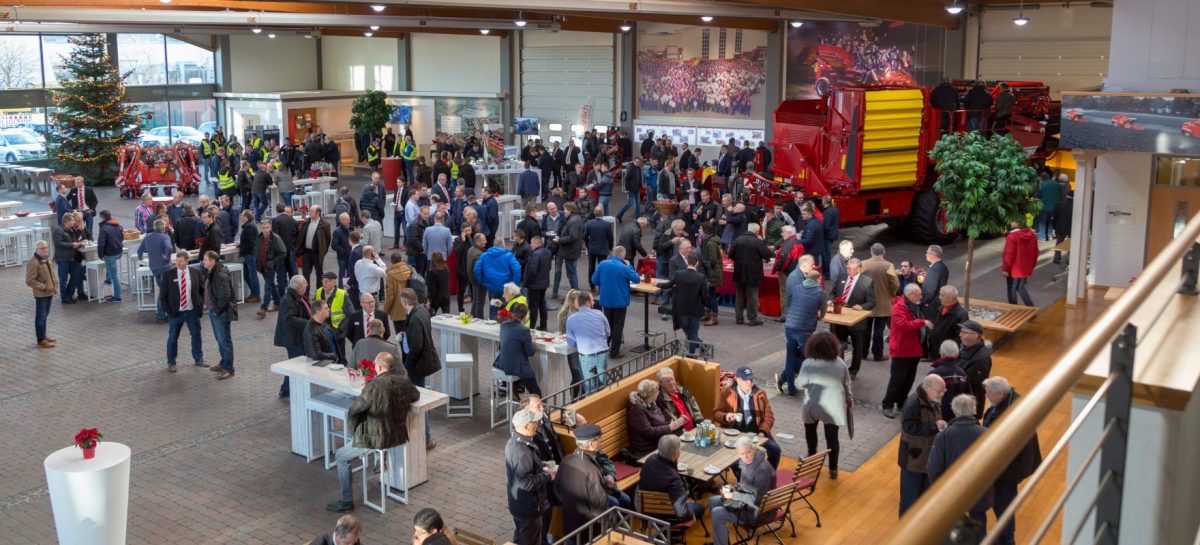
The Russian segment of the tour showcased a wide spectrum of agronomic conditions, from intensive farming in the European part to extreme practices in the Far East. A major milestone was the expedition’s participation in the large-scale “Avgust” Field Day, organized in the Tver region at the LLC “Tver Agroprom” facility. This venue became a demonstration hub for over 40 promising potato varieties from leading breeding centers (Solana Rus, Norika Slavia, A.G. Lorkh Federal Potato Research Center). During the event, specialists studied innovative nutrition systems, advanced agricultural machinery equipped with artificial intelligence for tuber quality control, and conducted practical workshops on diagnosing phytopathologies3. In the Stavropol Territory, the expedition visited the Krivosheev family farm, where traditional family business methods are integrated with advanced agricultural technologies. Special attention was given to the social function of agribusiness, particularly adaptation and employment programs for veterans of the Special Military Operation (SVO), establishing new points of social growth in rural areas12. Separate expeditionary trips examined the winter working conditions of potato growers in the Tambov region (Borshchevoye village) and analyzed product affordability for end consumers in the Ulyanovsk region2.
Russia’s eastern borders presented a completely different landscape of climatic challenges. In Kamchatka, the delegation worked at the Kamchatka Agricultural Research Institute (a branch of the N.I. Vavilov All-Russian Institute of Plant Genetic Resources). Scientists led by Alexandra Zhdanova are engaged in highly complex breeding work to adapt forage crops (barley and oats) and potatoes to ultra-short growing seasons, sudden shifts from droughts to torrential rains causing crop lodging, and winter snow cover exceeding 1.5 meters. A specific risk factor in the region is wildlife — scientists frequently contend with bears destroying experimental plots14. The expedition also documented a high degree of import substitution in Sakhalin, where the share of domestic seed material use reached 93%, and studied the experiences of farmers in the Primorsky Territory and Amur Region managing areas ranging from 7 to 250 hectares15.
Agronomic Adaptation in Central Asia
The Central Asian region is characterized by acute water scarcity and soil degradation, compelling farmers to implement resource-saving technologies. In the Republic of Kazakhstan, the tour focused on analyzing large farms in the Pavlodar and Almaty regions19. At the “Sergey” peasant farm, growers demonstrated strategies for mitigating weather risks, emphasizing the critical importance of completing the harvest before the onset of frosts. The farm successfully diversifies its production by growing carrots and cabbage, and utilizes gassing technologies in vegetable storage facilities to maintain the shelf life of the Gala and Colomba varieties exported to Russia and Uzbekistan2. The “KAP” peasant farm (Zhelezinsky district), led by Timur Kabdulov, a former immunology and microbiology specialist, showcased a scientific approach to combating wind erosion. Due to the soft, sandy soil structure, conventional mechanical tillage of fallow land leads to the formation of dunes at field edges. To preserve soil structure, chemical “screens” using herbicides and “occupied fallow” methods involving oat sowing are applied. The primary phytopathology in the region is rhizoctoniosis (black scurf), leading to tuber cracking. To control this disease, fungicides (specifically azoxystrobin-based) are applied directly to the furrow during planting, supplemented by tuber treatment with fludioxonil. According to Yerbol Alibekov of the “Agro Terra” enterprise, current climatic conditions have forced farmers to increase fungicide applications from the traditional three to five-to-seven per season20. The Kazakh segment is also on the verge of massive industrialization: the construction of a deep potato processing complex in partnership with the Chinese corporation Snow Valley, valued at up to 200 million USD, has been announced22.
In the Republic of Uzbekistan, the expedition studied the fields of the “Agrover” company in the Urtachirchik district, where a full-cycle seed production project — from laboratory to elite reproductions — is being implemented under the guidance of Vladimir Mikhalchik. Trials of the first reproduction of the “Carmen” variety (DokaGen) demonstrated high visual appeal (intense tuber color surpassing the “Alouette” variety) and yield, alongside the Flamingo and Prime varieties. A key agronomic discovery was the correlation between irrigation and vascular system infection: under critical temperatures, soil moisture deficiency forces saprophytic fungi (such as Fusarium) to penetrate the root system in search of water, provoking rapid wilting. Managing these risks has stabilized seed quality, aided by the importation of 180 tons of elite material from Russia’s Kostroma region, which passed rigorous quarantine control23.
In Kyrgyzstan, the project co-organized a large-scale Field Day in the Issyk-Kul region based at the “AgroWay Plus” cooperative. The event, scheduled for August 2026, focuses on demonstrating 11 highly productive varieties from the Dutch company Agrico, testing biological nutrition schemes, and facilitating direct B2B negotiations with buyers from Kazakhstan and Uzbekistan, confirming Kyrgyzstan’s ambition to become a new regional seed production hub3.
Transcaucasian Transformation: Quality and Intensification
In March 2026, the tour’s route traversed the potato-growing clusters of Armenia, Azerbaijan, and Georgia8. In Azerbaijan (Shamkir, Tovuz, Gadabay, and Jalilabad districts), historical traditions of potato cultivation have evolved into a highly intensive industry. The primary profitability driver here is access to inexpensive water resources via artesian wells (flow rates up to 100 tons of water per hour with annual costs around 500 USD) and a favorable climate that permits two to three harvests per year (spring, summer, and closed greenhouse cycles). In Jalilabad, the early harvest begins in May, targeting premium export windows in the Russian market. Farmer Zaman Mammadov notes that popular varieties like Arizona, Koroleva Anna, and Sevim yield between 40 to 70 tons per hectare. The government actively subsidizes the industry through the Agrarian Credit and Development Agency (AKIA), offering soft loans (5% per annum), compensating up to 40% of the costs for building cold storage complexes, and providing direct fuel subsidies. In the Agstafa district, the “Azerbaijani-German Mountain Seed Company” cultivates virus-free seed material at an altitude of 1200–1400 meters above sea level, utilizing European technologies for the Jelly, Marabel, and Paradiso varieties8.
In Armenia (Lori, Shirak, Gegharkunik regions), the production paradigm has shifted from quantity to quality. Edvard Nalbandyan, head of the “Edagro” farm managing 100 hectares of intensive potato plantings (yielding over 70 tons/ha with the Argana variety), emphasizes the importance of crop rotation with legumes (lentils, chickpeas). Top-tier grading and shelf life enable the farm to sell its produce at a significant premium (200 drams per kilogram against a market average of 170–180 drams), shielding the business from cheap import dumping. The main limiting factors remain a severe labor shortage, necessitating an immediate shift to two-row harvesters, and rising late blight infection rates in high-altitude zones previously deemed safe8.
Conversely, Georgia exhibits signs of stagnation due to structural industry fragmentation. The Samtskhe-Javakheti and Kvemo-Kartli regions are dominated by smallholder farms (1–3 hectares) lacking access to modern storage and irrigation. Average yields hover below 17 tons/ha, and produce is sold directly from the field. Experienced farmers like Grigory Karagezov achieve yields of 20-30 tons/ha solely by applying up to eight chemical treatments per season. The catastrophic rise in Colorado potato beetle resistance to traditional insecticides is a matter of profound concern8.
Middle Eastern Innovations and African Prospects
The Turkish leg of the expedition highlighted the pinnacle of biotechnological industrialization. The AnkaFar enterprise in Ankara produces over 10 million mini-tubers annually. Its operational foundation relies on utilizing surplus heat from electricity generation to warm greenhouses. The microclonal in vitro propagation laboratory (capacity: 3 million microplants per year) has completely eliminated glass test tubes. Utilizing specialized plastic containers sterilized via gamma radiation has eradicated manual labor and dishwashing costs. Microplants are transplanted directly into high-tech aeroponic systems without intermediate peat adaptation. Aeroponics ensures optimal root system gas exchange, extending the vegetative cycle to 6 months and yielding dozens of tubers per plant. Harvested material is processed through optical sorting lines (up to 5 million tubers daily), where artificial intelligence and lasers cull defects. Storage chambers feature spectral lighting that inhibits premature sprouting and synchronizes the dormancy break across different varieties. These innovations, coupled with a partnership with Genta Tarım, establish Turkey as a paramount supplier of genetic material in Eurasia2.
In Egypt, research unveiled fundamental shifts in varietal policy: the Cara variety has almost entirely supplanted the traditional Spunta. The Egyptian potato sector achieved record exports of 1.4 million tons in 2025, establishing a three-harvest-per-year system in the Nile Delta. To navigate stringent European quarantine barriers, artificial intelligence systems are deployed to detect brown rot. A national infrastructure modernization initiative aims to slash post-harvest losses from a critical 25% to an acceptable 10%18.
In East Africa, the “International Potato Tour” is gearing up to participate in the 13th World Potato Congress in Naivasha (Kenya) in October 2026. A partnership with the local Wakulima Help Desk platform intends to integrate over 800,000 Kenyan farmers into global supply chains, instructing them in climate-resilient agriculture and providing access to transparent markets7.
South and East Asia: Processing and Genetics
In Pakistan, the tour visited the Potato Research Institute in Sahiwal (Punjab province). Harvesting roughly 12 million tons of potatoes, Pakistan faces an overproduction issue (an export surplus of nearly 4 million tons). To market this volume (including reopening the Russian market for 101 Pakistani exporters), the industry is radically altering its developmental trajectory. Scientists are advocating a paradigm shift from a “tons per hectare” metric to an “energy per hectare” metric. The processing industry requires tubers with high dry matter content; hence, farmers are strictly advised against excessive pre-harvest irrigation and nitrogen fertilizers, which bulk up mass but critically degrade frying quality and storability. To curb the spread of soil pathogens, a ban on cutting seed potatoes before planting is enforced, phytosanitary roguing practices are adopted, and joint aeroponics research is conducted with South Korea. The institute’s gene bank, housing over 350 genotypes, guarantees the nation’s genetic security10.
The Indian leg of the tour (leading up to the Delhi Potato Summit) exposed a unique phenomenon: the organic growth of the deep processing market. An interview with Avanti Murarka Jhunjhunwala, Director of Crown Flakes Private Limited (operating under the brand “Aloo Ki Rani”), revealed that India’s culture of daily potato consumption is the perfect catalyst for the sector’s expansion. The company’s plants produce 20 metric tons of potato flakes daily, exporting goods and supplying the domestic HoReCa sector. The hyper-specialization of Indian processors on a single product enables seamless business scaling without compromising quality4.
Finally, in Mongolia, extraordinary results utilizing circular planting and two-row technology were documented. Despite an extremely continental climate, farmers achieve yields of up to 60 tons per hectare (600 centners/ha), underscoring the high plasticity of modern varieties when paired with competent agronomy16.
| Table 1. Technological specialization and expedition results by region |
| Region |
| Russia |
| Kazakhstan |
| Uzbekistan |
| Transcaucasia |
| Turkey |
| Pakistan |
| India |
| Egypt |
Integrated Plant Protection Systems: Chemical Bioengineering
The analysis of global challenges gathered during the expedition demonstrated that traditional plant protection methods are losing their efficacy. Climate shifts and pathogen mutations necessitate the implementation of multicomponent chemical solutions. The general partner of the tour, JSC Firm “Avgust,” provided the scientific and practical framework to overcome these threats by introducing advanced protection mechanisms at every vegetative stage38.
1. Fundamental Protection of Planting Material
The infection of tubers by soil-borne pathogens (rhizoctoniosis, anthracnose, silver scurf) and pests (wireworms) is blocked at the planting stage using high-tech suspension concentrates. For comprehensive protection, the seed treatment “Idikum” is applied, combining three active ingredients. Iprodione (a contact fungicide) destroys the cellular structures of pathogens, difenoconazole (a systemic triazole) inhibits sterol synthesis in fungal membranes, providing lasting root protection, and imidacloprid (a neonicotinoid) systemically penetrates growing tissues, blocking insect nerve impulses. Against rhizoctoniosis and silver scurf, “Intrada” based on azoxystrobin is used. As an inhibitor of mitochondrial respiration, this substance has a pronounced greening effect, regulating stomatal closure to conserve moisture during droughts and prolonging the growing season. Against a complex of soil pests, the insecticidal seed treatment “Tabu Super” is applied, where imidacloprid is complemented by fipronil, which blocks gamma-aminobutyric acid receptors, causing the instant death of wireworm larvae38.
2. Weed Management (Herbicidal Protection)
Weed control is achieved using products that block the key biochemical processes of unwanted vegetation. The foundational solutions are “Lazurit” and “Lazurit Ultra” based on metribuzin. This substance is absorbed by roots and leaves, suppressing weed seedlings in the soil for 1–2 months. For controlling hard-to-eradicate grassy weeds (couch grass), “Escudo” (rimsulfuron) is applied, used in conjunction with the surfactant “Adyu” to improve permeability. Autumn field preparation or zero tillage is accompanied by the application of the non-selective herbicide “Tornado 500” (isopropylamine salt of glyphosate), which effectively destroys the root systems of perennial weeds38.
3. Mitigating Epiphytotics (Fungicidal Protection During Vegetation)
The primary threat to the high-altitude regions of the Caucasus and the humid regions of Russia remains late blight and early blight (Alternaria). The resistance of pathogens to traditional chemicals necessitated the introduction of innovative fungicides. The product “Inside” combines dimethomorph (blocks early oomycete infection) and fluazinam. The uniqueness of fluazinam lies in its inhibition of zoospore formation and release, which is critical for preventing infection from washing into the soil and infecting the tubers themselves. A powerful alternative is “Libertador” based on cyazofamid. This molecular agent disrupts the mitochondrial complex III of pathogens, boasting exceptional rainfastness and protecting new plant growth for up to three weeks. For baseline curative and preventive work, “Metaxil” (mancozeb + metalaxyl), “Ordan” (copper oxychloride + cymoxanil), and the systemic triazole “Rayok” (difenoconazole) are used, capable of halting disease progression even after visible symptoms appear38.
4. Overcoming Pest Resistance
In Georgia and several other regions, catastrophic resistance of the Colorado potato beetle to pyrethroids has been recorded. In response, the insecticide “Collider” (chlorantraniliprole) was introduced. Belonging to the anthranilic diamide class, the product triggers the uncontrolled release of internal calcium ion reserves in insect muscle tissues. This leads to an immediate cessation of feeding and pest paralysis within minutes, while also possessing a potent ovicidal effect (destroying eggs). For a broad spectrum of pests, the three-component “Borey Neo” (alpha-cypermethrin + imidacloprid + clothianidin) is applied, where the pyrethroid provides an instant “knockdown effect,” and the neonicotinoids systemically penetrate tissues, guaranteeing protection for up to 21 days38.
| Table 2. Integrated solutions for potato protection (according to JSC Firm “Avgust” research) |
| Category / Product |
| Seed Treatments Idikum |
| Intrada |
| Tabu Super |
| Herbicides Lazurit Ultra |
| Escudo |
| Fungicides Inside |
| Libertador |
| Metaxil / Ordan |
| Insecticides Collider |
| Borey Neo |
Media Architecture and Information Influence
The reflection of the global expedition in the information space represents a unique case study of integrating journalism, agronomic science, and B2B marketing. The initiative purposefully employs the concept of “potato diplomacy,” where transparent coverage of technologies and field conditions fosters international trust and facilitates market access (as occurred with the resumption of potato exports from Pakistan to the Russian Federation)39.
The user’s query about the project’s presence on the internet and in the press is fully corroborated by an extensive media infrastructure:
- Global Industry Portals: The main international platform is Potatoes.News, which publishes materials in English and Russian. The portal provides coverage of strategic partnerships (Genta Tarım, Wakulima Help Desk, Crown Flakes), announcements of international forums (Delhi Summit, World Potato Congress in Kenya), and market analytics (Pakistan, Egypt)2.
- Specialized Press in CIS Countries: In the Russian-speaking segment, in-depth agronomic analytics are published in the “Potato System” (Картофельная система) magazine. It features detailed reports on seed production in Turkey, Transcaucasia, and Russian regions, along with historical overviews17.
- Agronomic Platforms and Corporate Resources: The Direct.Farm platform acts as an aggregator of practical case studies and the results of the partnership with JSC Firm “Avgust”1. The corporate resource avgust.com and the “Pole Avgusta” newspaper publish fundamental breakdowns of the application of chemical crop protection products on farms covered by the tour8.
- Video Hosting and Social Networks: Documentaries, exclusive interviews, and field reports are published on YouTube (channel “International Potato Tour”) and the social network VKontakte (groups “potatoholic” and “Международный картофельный тур”). Video content is translated into English and Mongolian, reaching a tremendously broad audience. Project mentions have also been recorded in author blogs on the LiveJournal platform (user agromediaagency) and the Odnoklassniki network (ok.ru)13.
| Table 3. Sources mentioning the project in the press and on the Internet |
| Media Platform |
| Potatoes.News |
| Potato System |
| Direct.Farm |
| Avgust.com |
| YouTube / VKontakte |
| LiveJournal / OK.ru |
Macroeconomic Conclusions and Strategic Prospects
The synthesis of data collected by the expedition across dozens of countries allows us to confirm the global transition of the potato industry to a phase of highly intensive industrialization.
Firstly, there is a paradigm shift from the extensive scaling of gross harvests to the production of output with precise technological parameters. The experience of producers from Armenia, who sell potatoes with a significant price premium due to flawless calibration, and scientific reports from Pakistan urging farmers to maximize dry matter (energy) for deep processing needs, prove that business margins now depend on quality, not quantity8. The Indian market corroborates this trend, demonstrating unprecedented demand for potato flakes sustained by traditional gastronomic culture35.
Secondly, the decentralization of seed production is becoming a matter of national food security. Eurasian countries are actively adopting biotechnologies (aeroponics, microclonal in vitro propagation in plastic containers) to eliminate dependence on European elite seed imports1. The successes of the Turkish AnkaFar enterprise, Azerbaijani mountain farms, and Kamchatka breeders illustrate the viability of localized breeding centers8.
Finally, adapting to climatic anomalies is impossible without precision chemical protection. The ubiquitous rise in temperature stress and pathogenesis (late blight outbreaks in Transcaucasia, Fusarium in Central Asia, pest resistance in Georgia) demands the deployment of innovative products with multi-target mechanisms of action, such as those provided by JSC Firm “Avgust”8.
By aggregating this knowledge and broadcasting it through a powerful media network, the “International Potato Tour” performs the critical function of a technological bridge, ensuring the transfer of innovations and promoting the sustainable development of the global agro-industrial complex.
Источники
- Завершился «Картофельный тур», партнером которого стал «Август» – Direct.Farm, https://direct.farm/post/zavershilsya-kartofelnyy-tur-partnerom-kotorogo-stal-avgust-32593
- IPT – BE PROFY IN POTATOES NEWS, https://potatoes.news/category/ipt/
- The International Potato Tour is Coming to the “August” Field Day in the Tver Region!, https://potatoes.news/the-international-potato-tour-is-coming-to-the-august-field-day-in-the-tver-region/
- События и выставки – BE PROFY IN POTATOES NEWS, https://potatoes.news/ru/category/potatoes-news/events-and-exhibitions/
- Potato India — новый международный кинопроект Виктора Ковалёва, https://potatoes.news/ru/potato-india-new-international-film-project-by-viktor-kovalev/
- Международный картофельный тур объявляет о приглашении регионального партнера в Турцию – BE PROFY IN POTATOES NEWS, https://potatoes.news/ru/international-potato-tour-announces-an-invitation-for-a-regional-partner-in-turkey/
- International Potato Tour Expands Horizons: Welcoming Our Partner in Kenya — Wakulima Help Desk!, https://potatoes.news/international-potato-tour-expands-horizons-welcoming-our-partner-in-kenya-wakulima-help-desk/
- Картофель Закавказья – АО Фирма «Август, https://avgust.com/services/newspaper/kartofel-zakavkazya/
- Гента Тарым стал региональным партнером Международного Картофельного тура в ТУРЦИИ – BE PROFY IN POTATOES NEWS, https://potatoes.news/ru/genta-tarim-becomes-regional-partner-of-the-international-potato-tour-in-turkiye/
- Россия отменила запрет на импорт картофеля из Пенджаба, открыв рынок для 101 пакистанского экспортера – BE PROFY IN POTATOES NEWS, https://potatoes.news/ru/russia-lifts-potato-import-ban-on-punjab-opening-market-for-101-pakistani-exporters/
- Страница 36 – БУДЬТЕ ПРОФЕССИОНАЛЬНЫМИ POTATOES NEWS, https://potatoes.news/ru/page/36/?action=eventon_ics_download&event_id=13919&ri=0&signup
- Potato Tour in Stavropol: Traditions, Innovations, and the Future of Russian Agriculture, https://potatoes.news/potato-tour-in-stavropol-traditions-innovations-and-the-future-of-russian-agriculture/
- Азербайджан. Картофель: традиции и перспективы – agromediaagency – LiveJournal, https://agromediaagency.livejournal.com/122265802.html
- Наука на краю Земли: как Камчатский сельскохозяйственный научно-исследовательский институт обеспечивает продовольственную безопасность региона – BE PROFY IN POTATOES NEWS, https://potatoes.news/ru/science-at-the-edge-of-the-earth-how-the-kamchatka-agricultural-research-institute-ensures-the-regions-food-security/
- МЕЖДУНАРОДНЫЙ КАРТОФЕЛЬНЫЙ ТУР В ТУРЦИИ: СЕМЕНОВОДСТВО, СЕЛЕКЦИЯ И УНИКАЛЬНЫЕ ПЕЩЕРНЫЕ ХРАНИЛИЩА (англ версия) – ВКонтакте, https://m.vk.com/video-227771953_456240025
- Урожай до 600 ц/га! Круговая посадка картофеля и двухрядная технология | Международный картофельный тур 2026 | ВКонтакте, https://m.vk.com/wall-227771953_1589
- Селекция и семеноводство – Журнал “Картофельная Система”, https://potatosystem.ru/category/dajdzhest/nauka/selekcziya-i-semenovodstvo/
- ENG Картофельный сектор Египта: Рекордный экспорт 2025 года, смена сортов и борьба с потерями (оригинальное видео) – ВКонтакте, https://m.vk.com/video-227771953_456239887
- Международный картофельный тур в гостях у КХ «Сергей – YouTube, https://www.youtube.com/watch?v=TAtXrdTSJHg
- Continuation of the International Potato Tour: From Microbiology to the Endless Fields of Pavlodar, https://potatoes.news/continuation-of-the-international-potato-tour-from-microbiology-to-the-endless-fields-of-pavlodar/
- Фунгицидная защита как фундамент технологии – АО Фирма «Август, https://md.avgust.com/press/news/company/fungitsidnaya-zashchita-kak-fundament-tekhnologii/
- Новости — Страница 18 – Журнал “Картофельная Система”, https://potatosystem.ru/category/newsnews/newsnews/page/18/
- Potato Grower 2.0: The Future of the Potato Industry | International Potato Tour (IPT), https://www.youtube.com/watch?v=nUrhxSC-gVE
- “International Potato Tour” in Central Asia: The Path of Vladimir Mikhalchik and Seed Production in Uzbekistan …… – Одноклассники, https://ok.ru/group/57987585867993/topic/157867114492889
- «Международный картофельный тур» по Центральной Азии: путь Владимира Михальчика и производство семян в Узбекистане – BE PROFY IN POTATOES NEWS, https://potatoes.news/ru/international-potato-tour-in-central-asia-the-path-of-vladimir-mikhalchik-and-seed-production-in-uzbekistan/
- Костромская область подготовила 180 тонн высококачественного семенного картофеля для экспорта в Узбекистан – BE PROFY IN POTATOES NEWS, https://potatoes.news/ru/kostroma-region-prepares-180-tons-of-high-quality-seed-potatoes-for-export-to-uzbekistan/
- Innovations, Exports, and the International Potato Tour: Large-Scale Field Day for Kyrgyzstan Potato Growers 2026 to be Held in Issyk-Kul, https://potatoes.news/innovations-exports-and-the-international-potato-tour-large-scale-field-day-for-kyrgyzstan-potato-growers-2026-to-be-held-in-issyk-kul/
- Международный картофельный тур 2026 – VK Видео, https://m.vkvideo.ru/playlist/-227771953_19
- Азербайджан. Картофель: традиции и перспективы – Журнал “Картофельная Система”, https://potatosystem.ru/azerbajdzhan-kartofel-tradiczii-i-perspektivy/
- Международный картофельный тур в Анкаре: Секреты крупнейшего производства мини-клубней в Турции, https://potatosystem.ru/mezhdunarodnyj-kartofelnyj-tur-v-ankare-sekrety-krupnejshego-proizvodstva-mini-klubnej-v-turczii/
- World Potato Congress 2026, https://wpc2026kenya.com/
- Ольга М. – Журнал “Картофельная Система”, https://potatosystem.ru/author/maksaevaov/?amp
- Пакистан – БУДЬТЕ ПРОФИ POTATOES NEWS, https://potatoes.news/ru/tag/pakistan/
- Международный картофельный тур по Пакистану: исследования, сорта и будущее экспорта картофеля – BE PROFY IN POTATOES NEWS, https://potatoes.news/ru/international-potato-tour-in-pakistan-research-varieties-and-the-future-of-potato-export/
- Международный картофельный тур по Индии: «Aloo Ki Rani» от Crown Flakes рассказывает о картофельных хлопьях, экспорте и о том, почему «жизни без картофеля не существует» – BE PROFY IN POTATOES NEWS, https://potatoes.news/ru/international-potato-tour-in-india-crown-flakes-aloo-ki-rani-on-potato-flakes-exports-and-why-there-is-no-life-without-potatoes/
- Страница 5 – БУДЬТЕ ПРОФЕССИОНАЛЬНЫМИ POTATOES NEWS, https://potatoes.news/ru/page/5/?action=eventon_ics_download&event_id=16360&ri=0&signup
- Страница 5 – БУДЬТЕ ПРОФЕССИОНАЛЬНЫМИ POTATOES NEWS, https://potatoes.news/ru/page/5/?action=eventon_ics_download&event_id=14581&ri=0
- International Potato Tour: Secrets and Challenges of Potato Farming in the Pavlodar Region, https://agromediaagency.livejournal.com/122367668.html
- Global Potato Market, AI and the Future of Processing | International Potato Tour 2026 in Tbilisi – YouTube, https://www.youtube.com/watch?v=ZMOsqyRydyk
- Страница 10 – БУДЬТЕ ПРОФЕССИОНАЛЬНЫМИ POTATOES NEWS, https://potatoes.news/ru/page/10/?action=eventon_ics_download&event_id=13642&ri=0
- Страница 10 – БУДЬТЕ ПРОФЕССИОНАЛЬНЫМИ POTATOES NEWS, https://potatoes.news/ru/page/10/?action=eventon_ics_download&event_id=13595&ri=0
- устойчивое сельское хозяйство – БУДЬТЕ ПРОФИ POTATOES NEWS, https://potatoes.news/ru/tag/sustainable-farming/
- Международный картофельный тур – ВКонтакте, https://vk.com/potatoholic