
Colored Potato Trend: Belarus Develops Its Own Non-GMO Superfood Varieties

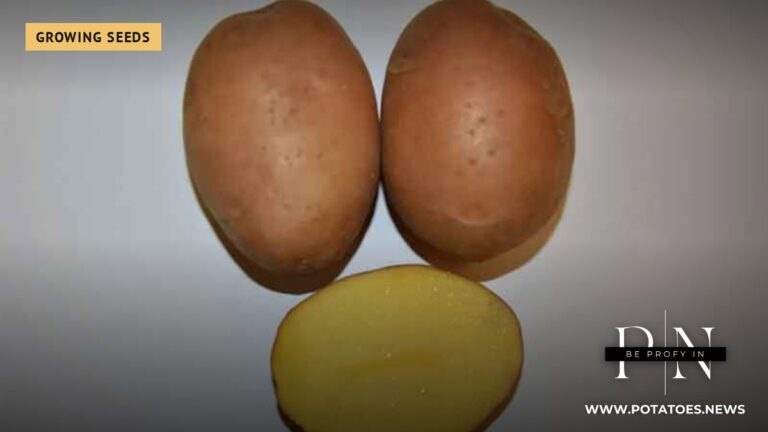
A potato boom of a different kind is sweeping across Europe — colored-flesh potatoes are now in high fashion. In France, prices for such tubers can reach up to €500 per kilogram. Consumers are drawn not only by the unusual appearance but also by the powerful health benefits. Colored potatoes are rich in anthocyanins, carotenoids, and flavonoids — compounds that slow aging and provide antioxidant effects. For example, red-orange potatoes contain nearly eight times more carotenoids than traditional white or yellow varieties (up to 795 mg compared to just 100–200 mg), while red, blue, and purple tubers have 2 to 2.5 times more flavonoids. Cooking colored potatoes is much the same as ordinary ones — from mashed potatoes to pancakes — with one key exception: boiling should not exceed 15–20 minutes, or the tubers will lose their vibrant color.
Belarus is actively developing its own colored potato varieties, and importantly, using no genetic modification — entirely natural breeding methods. The Scientific and Practical Center of the National Academy of Sciences of Belarus for Potato, Vegetable and Fruit Growing has been working on colored-flesh cultivars for several years. Their collection already includes about 250 wild potato specimens from around the world, providing vast material for experimentation. To date, Belarusian breeders have developed 74 domestic hybrids that match the best global standards in color intensity and other characteristics. Their future plans include creating varieties suitable for home gardens and private plots, with experts estimating such potatoes will become available within five to six years.