• Latest
  • Trending
  • All
  • News
  • Business
  • Politics
  • Science
  • World
  • Lifestyle
  • Tech
Management and Prevention of Black Scurf Disease in Potato Cultivation

Management and Prevention of Black Scurf Disease in Potato Cultivation

29.10.2024
First Harvest of Young Potatoes from Southern Russia Arrives at Moscow Fairs

First Harvest of Young Potatoes from Southern Russia Arrives at Moscow Fairs

17.06.2026
Choosing an Economode Potato Chips Line

Economode Potato Chips Lines: Equipment to Start and Scale a Chips Business Worldwide.

17.06.2026
Astrakhan Farmers Triple Young Potato Acreage Thanks to Government Grants

Astrakhan Farmers Triple Young Potato Acreage Thanks to Government Grants

16.06.2026
Brazil: National Potato Supply Expands as Dry Season Harvest Gains Momentum

Brazil: National Potato Supply Expands as Dry Season Harvest Gains Momentum

16.06.2026
Peru: Experts Warn That More Than 400 Andean Potato Varieties in Huánuco Are at Risk of Disappearing

Peru: Experts Warn That More Than 400 Andean Potato Varieties in Huánuco Are at Risk of Disappearing

16.06.2026
Peru (Huancavelica): Acobamba Makes Significant Progress Toward the Industrialization of Native Potatoes

Peru (Huancavelica): Acobamba Makes Significant Progress Toward the Industrialization of Native Potatoes

16.06.2026
Colombia: McCain Director Admits Complex Reality of the Agribusiness Sector

Colombia: McCain Director Admits Complex Reality of the Agribusiness Sector

16.06.2026
Three Stages of Hilling Potatoes: Biologist’s Tips for a Bumper Harvest

Three Stages of Hilling Potatoes: Biologist’s Tips for a Bumper Harvest

16.06.2026
Dolomite Flour: The Secret to Healthy Soil and Protecting Potatoes from Late Blight

Dolomite Flour: The Secret to Healthy Soil and Protecting Potatoes from Late Blight

16.06.2026
Potato Prices Drop Over 60% as Carrots Become the Only Winner in Russia’s “Borscht Set” Vegetable Market

Potato Prices Drop Over 60% as Carrots Become the Only Winner in Russia’s “Borscht Set” Vegetable Market

15.06.2026
Sowing Campaign Continues in Buryatia Despite Cold Spring and Heavy Rains

Sowing Campaign Continues in Buryatia Despite Cold Spring and Heavy Rains

15.06.2026
Potato Planting Area in Trans-Baikal Exceeds 2025 Levels by 5%

Potato Planting Area in Trans-Baikal Exceeds 2025 Levels by 5%

15.06.2026
  • Home
  • IPT
    • POTATO 2.0
  • News
  • AGROTECHNOLOGY
  • IRRIGATION
  • About Us
    • Contact us
Wednesday, June 17, 2026
  • Login
POTATOES NEWS
  • Home
  • IPT
    • POTATO 2.0
  • News
  • AGROTECHNOLOGY
  • IRRIGATION
  • About Us
    • Contact us
No Result
View All Result
POTATOES NEWS
No Result
View All Result
Home News

Management and Prevention of Black Scurf Disease in Potato Cultivation

by Viktor Kovalev
29.10.2024
in News
0
Management and Prevention of Black Scurf Disease in Potato Cultivation
845
SHARES
2.4k
VIEWS
Share on LinkedInShare on ВКонтакте

Understanding Rhizoctonia solani: An Essential Guide for Farmers, Agronomists, and Industry Professionals

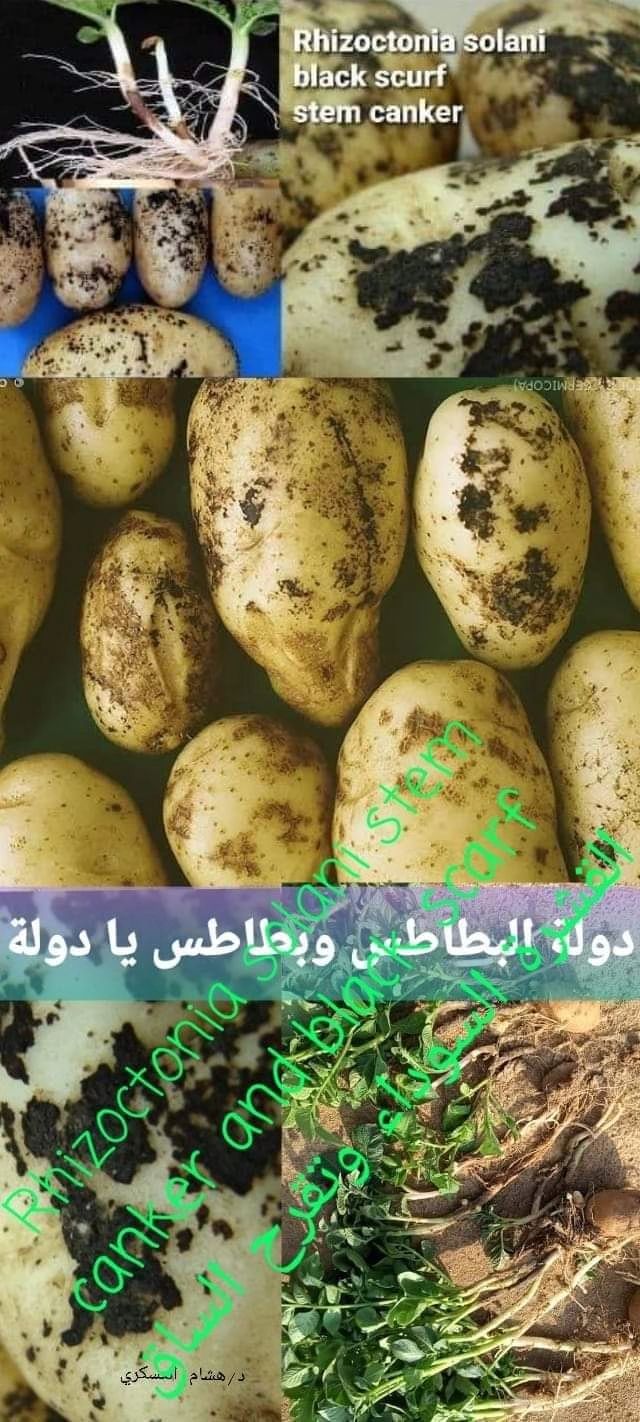
Black scurf, caused by the fungus Rhizoctonia solani (full form Thanatephorus cucumeris), presents a significant challenge in potato production worldwide. Recognizable to both potato farmers and traders, this disease is especially problematic during winter planting seasons, affecting a variety of soil types, potato varieties, and regional climates. With high survival rates in the soil, black scurf thrives in cool, humid conditions, reducing crop yields and market value due to its impact on tuber quality.

Disease Spread and Symptoms

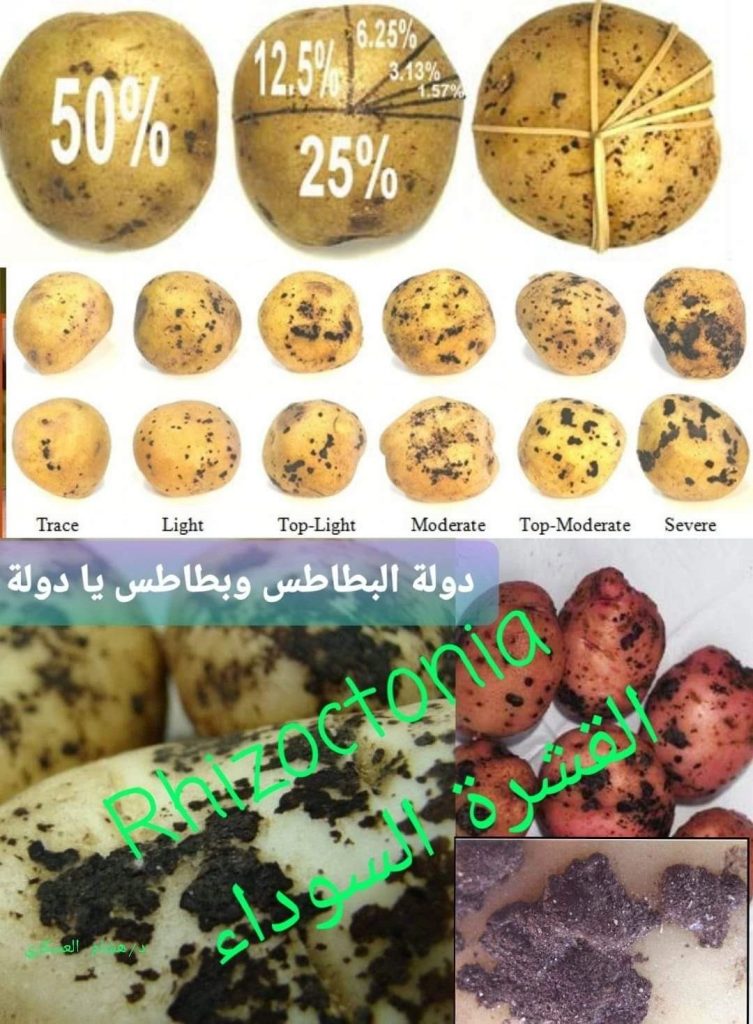
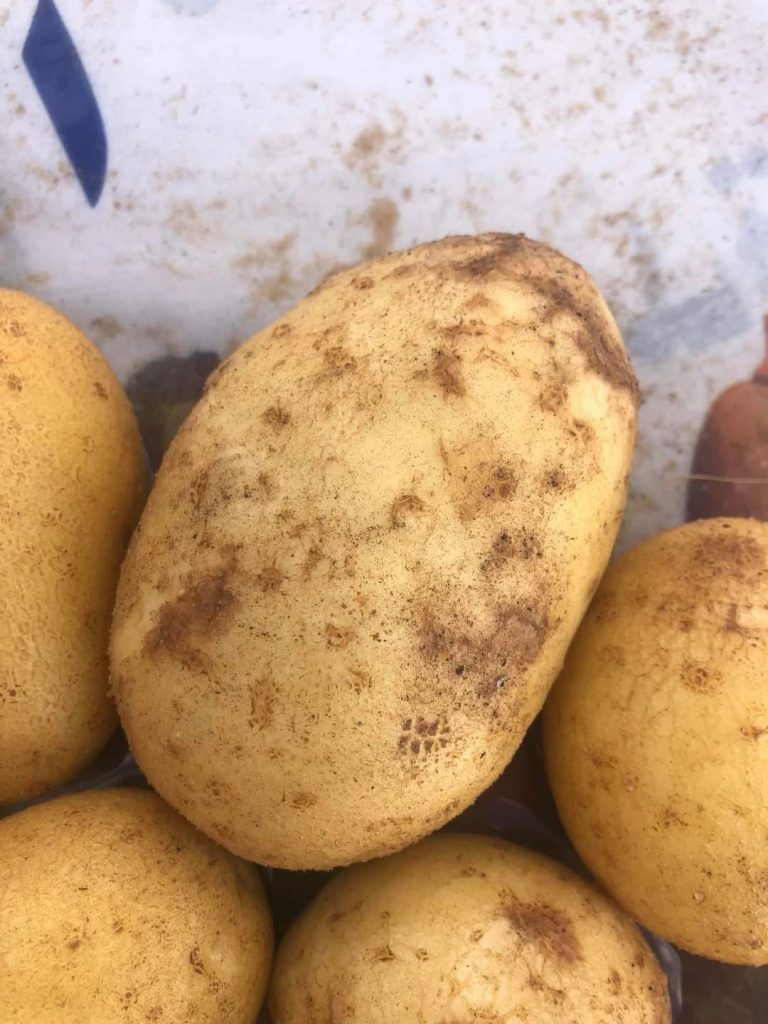
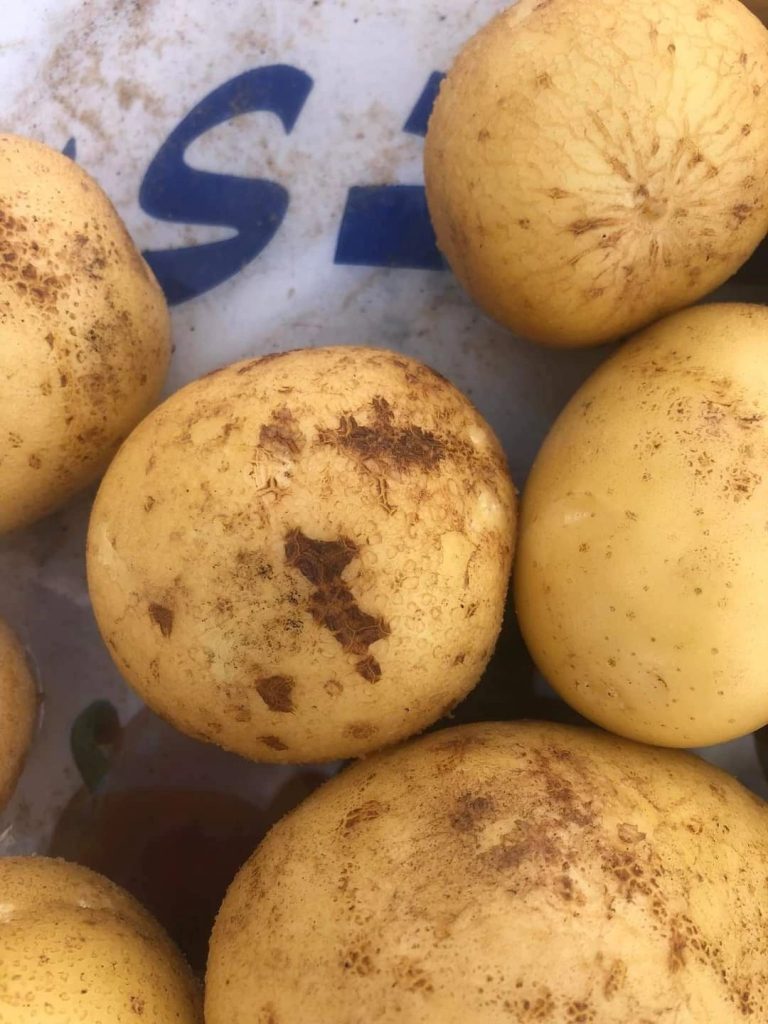
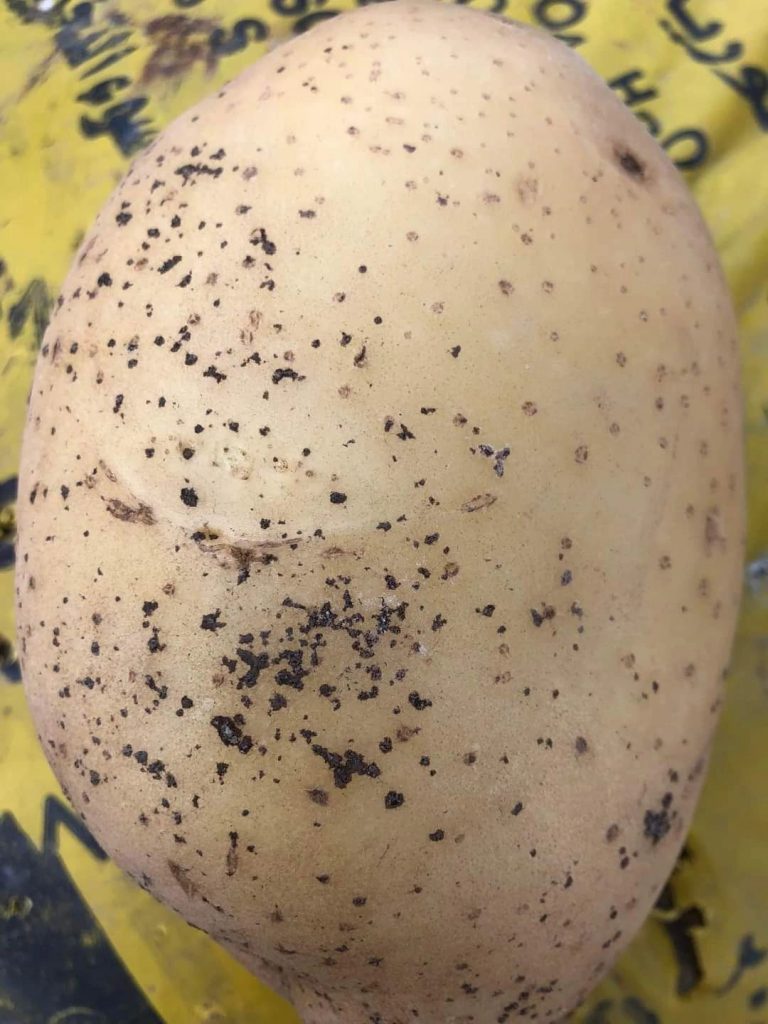
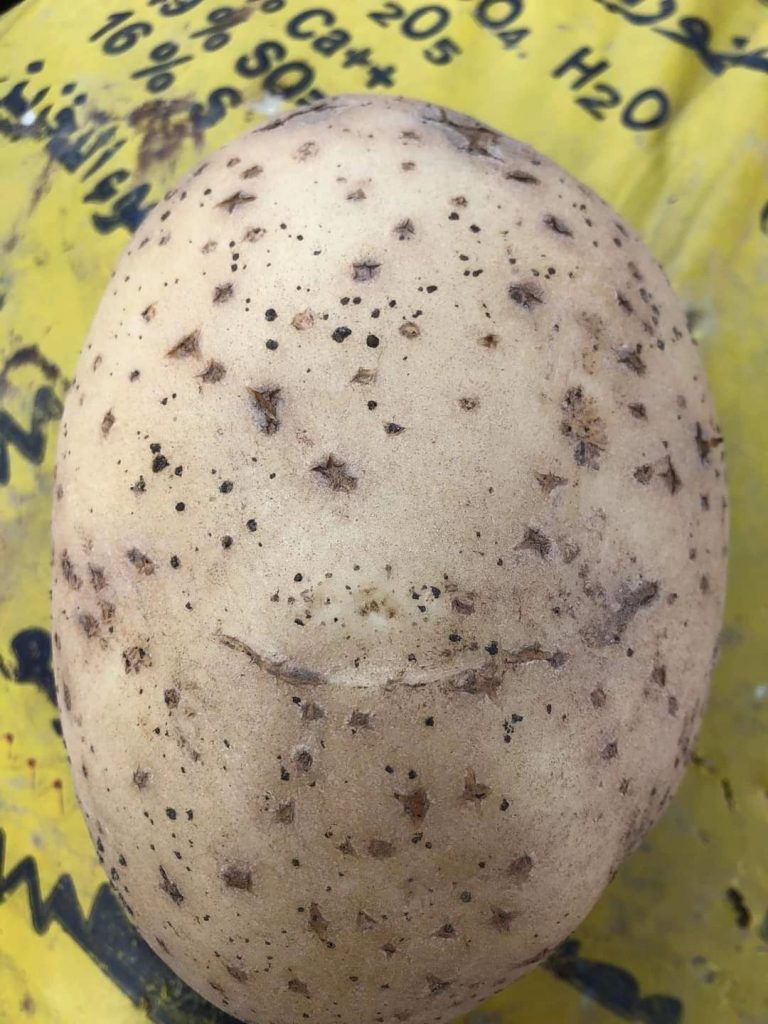
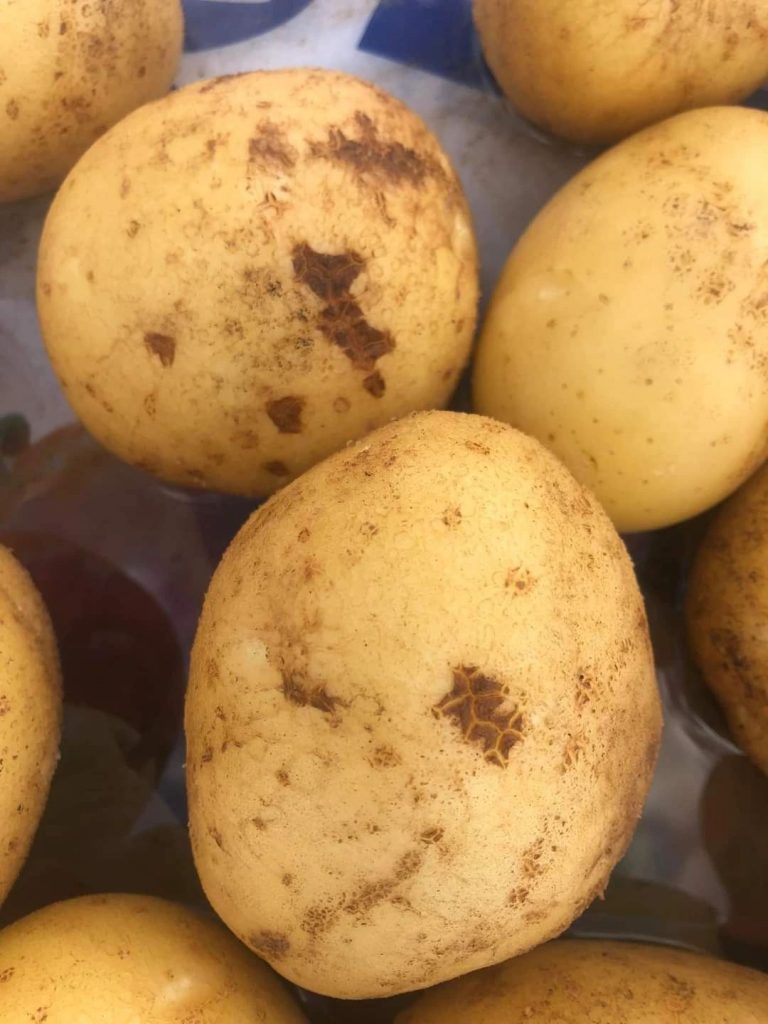
The fungus Rhizoctonia solani spreads primarily through infected seed potatoes and soil, where it can survive for over eight years as either fungal threads, known as hyphae, or as hardened structures called sclerotia. Infection begins when these sclerotia germinate, producing hyphae that invade the stem and roots of seed potatoes, especially during the sprouting phase. In storage, the fungus can also spread on tuber surfaces, especially in cool storage conditions, causing black or brown sclerotia patches that adhere to the skin—commonly described as “dirt that won’t wash off.” These patches can range from small spots to extensive clusters up to 2.5 cm wide.
Ideal Conditions for Disease Development

Black scurf flourishes in environments with high humidity and lower temperatures, which slow plant emergence and promote fungal growth. Its symptoms extend beyond sclerotia on tubers, with leaf curling, plant wilting, and tuber cracking also observed. Infection often occurs in tubers harvested late and stored in cold conditions, and planting infected seed potatoes can lead to increased levels of black scurf in the soil.

Recognizing and Measuring Disease Severity

A standard method to assess Rhizoctonia infection in seed potatoes is to observe the coverage of sclerotia on the tuber’s surface. Both sides of the tuber are examined, and the percentage of infected area is estimated based on sclerotia distribution. Imported seed potatoes must have infection levels below 5%, with less than 10% of the tuber surface affected.

Prevention and Control Strategies

Effective management of black scurf involves multiple preventive measures and treatment strategies:

  1. Use of Certified Seed Potatoes: Healthy, certified seeds free from black scurf are essential for limiting infection sources.
  2. Crop Rotation: Regular crop rotation in infected fields can reduce fungal presence over time.
  3. Fungicide Application: Fungicides such as Moncut, Rizolex, Maxim, Celest, and Lineoform are recommended, applied either directly to seed potatoes before planting or injected with irrigation water in drip irrigation systems. This approach prevents initial infection and protects plants during early growth stages.
  4. Soil Disinfection: Regular soil disinfection using copper sulfate at a rate of 3-4 kg per acre is also suggested, particularly in heavily infected fields.

Conclusion

With proactive management strategies, potato farmers and agronomists can mitigate the impact of black scurf and reduce crop losses. Using certified seeds, practicing crop rotation, and applying fungicides effectively are essential steps in maintaining high-quality potato crops and safeguarding against Rhizoctonia solani.
Tags: Black scurfcrop managementcrop rotationFungicidesPotato DiseasePotato FarmingRhizoctonia solanisclerotiaseed treatment
Share59Share42
Viktor Kovalev

Viktor Kovalev

POTATOES NEWS

  • Trending
  • Comments
  • Latest
Subway launches Spudway: a new era of hot baked potatoes

Subway launches Spudway: a new era of hot baked potatoes

26.02.2025
Processing and Packaging Equipment supplier tna expands manufacturing in the Netherlands

Processing and Packaging Equipment supplier tna expands manufacturing in the Netherlands

22.04.2021
Potatoes.news 2025: The Nervous System of the Global Potato Industry

Potatoes.news 2025: The Nervous System of the Global Potato Industry

01.01.2026
Aviko Belgium orders peace of mind

Aviko Belgium orders peace of mind

0
Potato crops at risk of disease during slower desiccation

Potato crops at risk of disease during slower desiccation

0
GRIMME Technica will not take place

GRIMME Technica will not take place

0
First Harvest of Young Potatoes from Southern Russia Arrives at Moscow Fairs

First Harvest of Young Potatoes from Southern Russia Arrives at Moscow Fairs

17.06.2026
Choosing an Economode Potato Chips Line

Economode Potato Chips Lines: Equipment to Start and Scale a Chips Business Worldwide.

17.06.2026
Astrakhan Farmers Triple Young Potato Acreage Thanks to Government Grants

Astrakhan Farmers Triple Young Potato Acreage Thanks to Government Grants

16.06.2026
BE PROFY IN POTATOES NEWS

Copyright © 2010-2026 POTATOES NEWS.

Navigate Site

  • Home
  • IPT
  • News
  • AGROTECHNOLOGY
  • IRRIGATION
  • About Us

Follow Us

Welcome Back!

Login to your account below

Forgotten Password?

Retrieve your password

Please enter your username or email address to reset your password.

Log In
No Result
View All Result
  • Home
  • IPT
    • POTATO 2.0
  • News
  • AGROTECHNOLOGY
  • IRRIGATION
  • About Us
    • Contact us

Copyright © 2010-2026 POTATOES NEWS.