International Potato Tour Diaries · Armenia
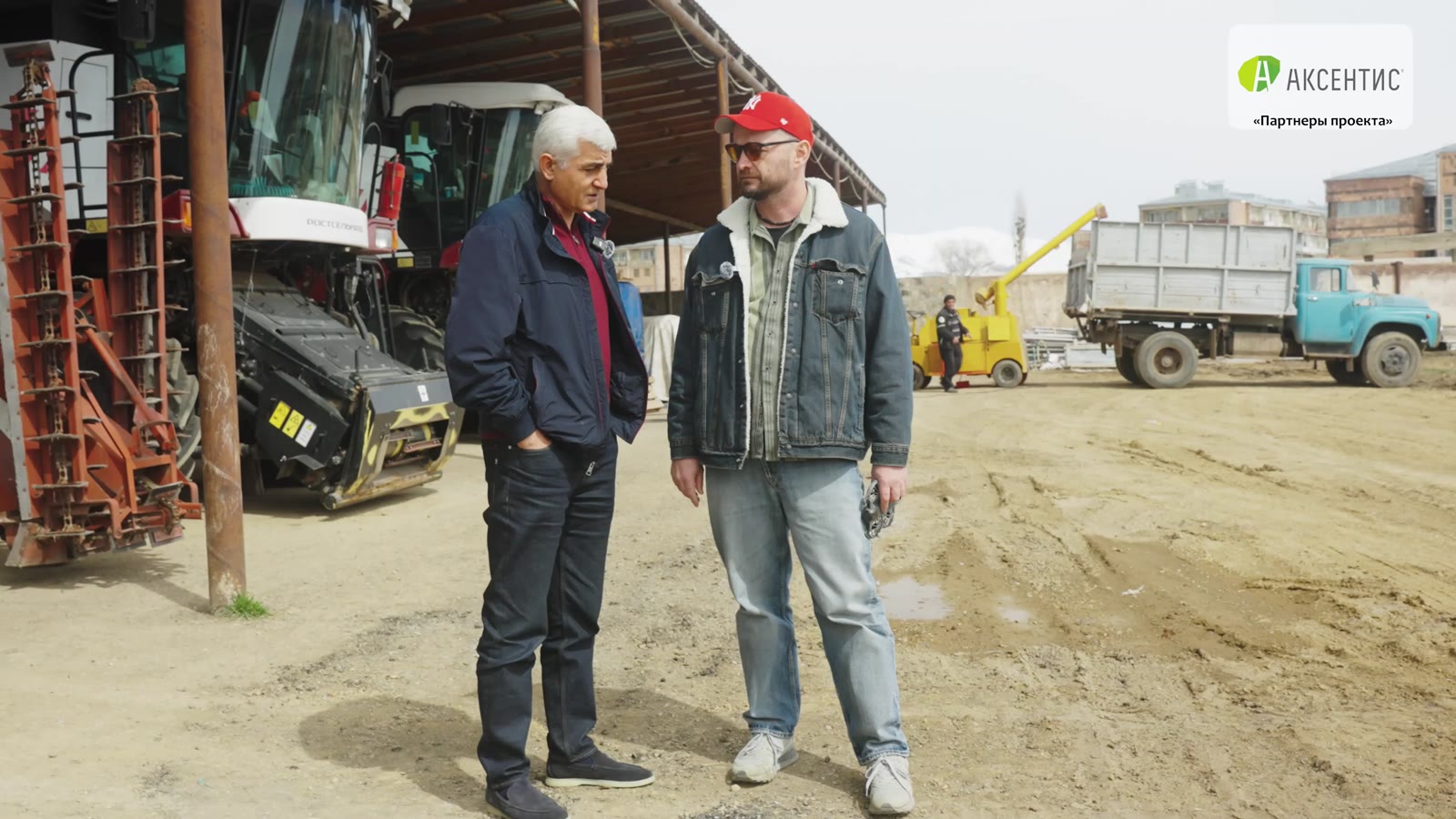
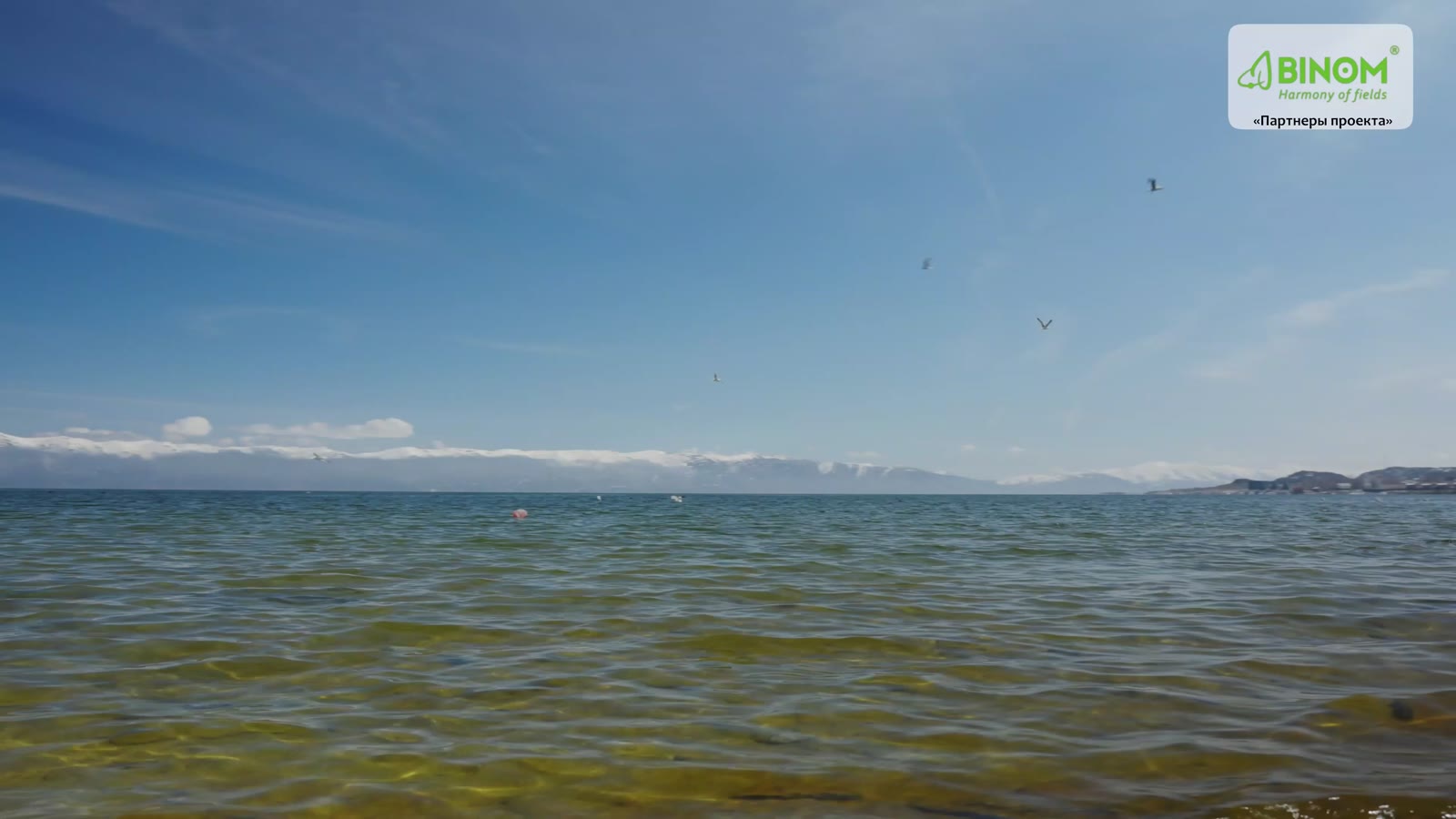
Edward Nalbandyan was showing us around his farm near Vardenis when the conversation turned from potatoes to what else Edagro grows. He listed cereals and pulses, and singled out lentils as one of the crops the business had added in recent years. On this side of Lake Sevan, the question of where a new crop fits starts with when the field will be free again.
A crop that finishes in early August
Two researchers at the Armenian National Agrarian University tested sowing densities for a small-seeded lentil variety in the village of Tsovak, near Vardenis. In the rainfed field trials of 2017 and 2018, Armyanskaya 88 took 88 to 92 days from emergence to maturity. N. A. Gasparyan and K. A. Gharakhanyan concluded that the crop could precede winter wheat under those conditions.
Weekdays. Unsubscribe in one click.
The trial records show why a grower might care about a difference of just a few days. All the plots were sown on the same April date. The crop reached maturity on 1 August at the lowest seeding rate and on 7 August at the highest. For a grower planning winter wheat, the lentil harvest has to leave enough time to prepare the field for autumn sowing.
More crops in a potato-growing area
Stanislav Kim, who joined the tour, also recorded chickpeas among Edagro’s newer crops. The cereals he listed included wheat and barley. In the wider Gegharkunik region, crop rotation with legumes is one of the practices listed by FAO and the Armenian National Agrarian University for their soil-management pilot, which also covers Syunik.
Potatoes were the reason for our March 2026 visit. Nalbandyan’s account of the crops he added points to a question we can take to the next farm. What grows on those fields in the years between potato crops?
Sources
International Potato Tour interview with Edward Nalbandyan, filmed in March 2026
Stanislav Kim’s account of the South Caucasus tour and the visit to Edagro
FAO Global Soil Partnership, RECSOIL implementation in Armenia