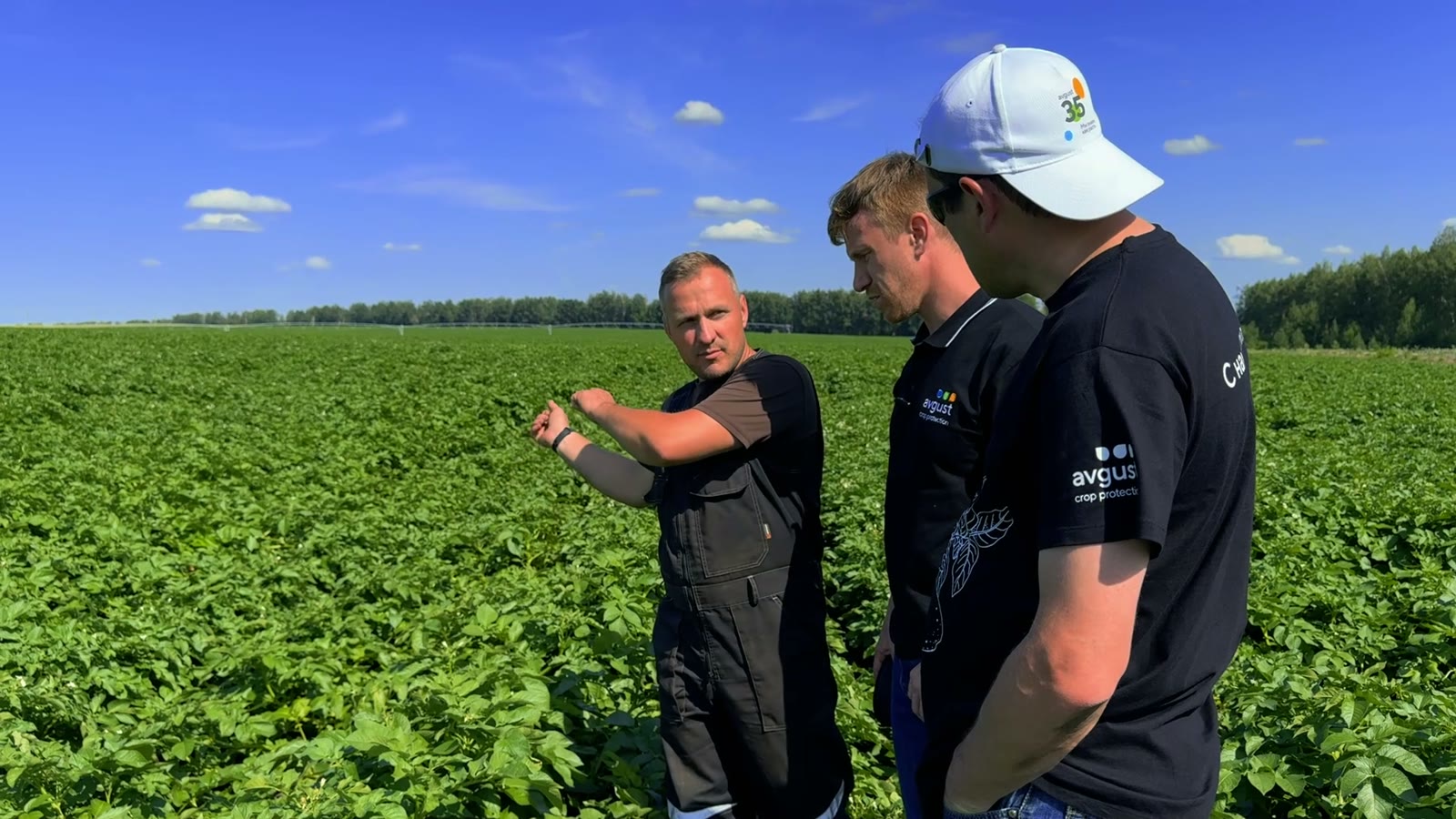
International Potato Tour Diaries · Russia
At Dary Ordynska, a vegetable farm in Russia’s Novosibirsk Oblast, we asked a question that sounded simple. When you count a potato harvest, do you weigh what goes into storage or what eventually goes to the customer? In the field, the answer led us to the small tubers that can disappear from the commercial account before they reach a grading line.
Where the weight changes
The farm’s agronomist explained that soil is deducted when calculating the weight of potatoes brought in. He distinguished that first figure from the volume the business can sell. Some of the crop can be lost in storage, while some tubers fall outside the size a customer wants. Each difference has a different explanation.
Weekdays. Unsubscribe in one click.
A colleague added that the farm had opened peeling and vacuum-packing operations and was looking at further processing. He also described interest from buyers in very small tubers of a size the farm had usually left in the field. Buyer interest is the opportunity described in the interview. It leaves the farm with the practical task of collecting, separating and handling that size.
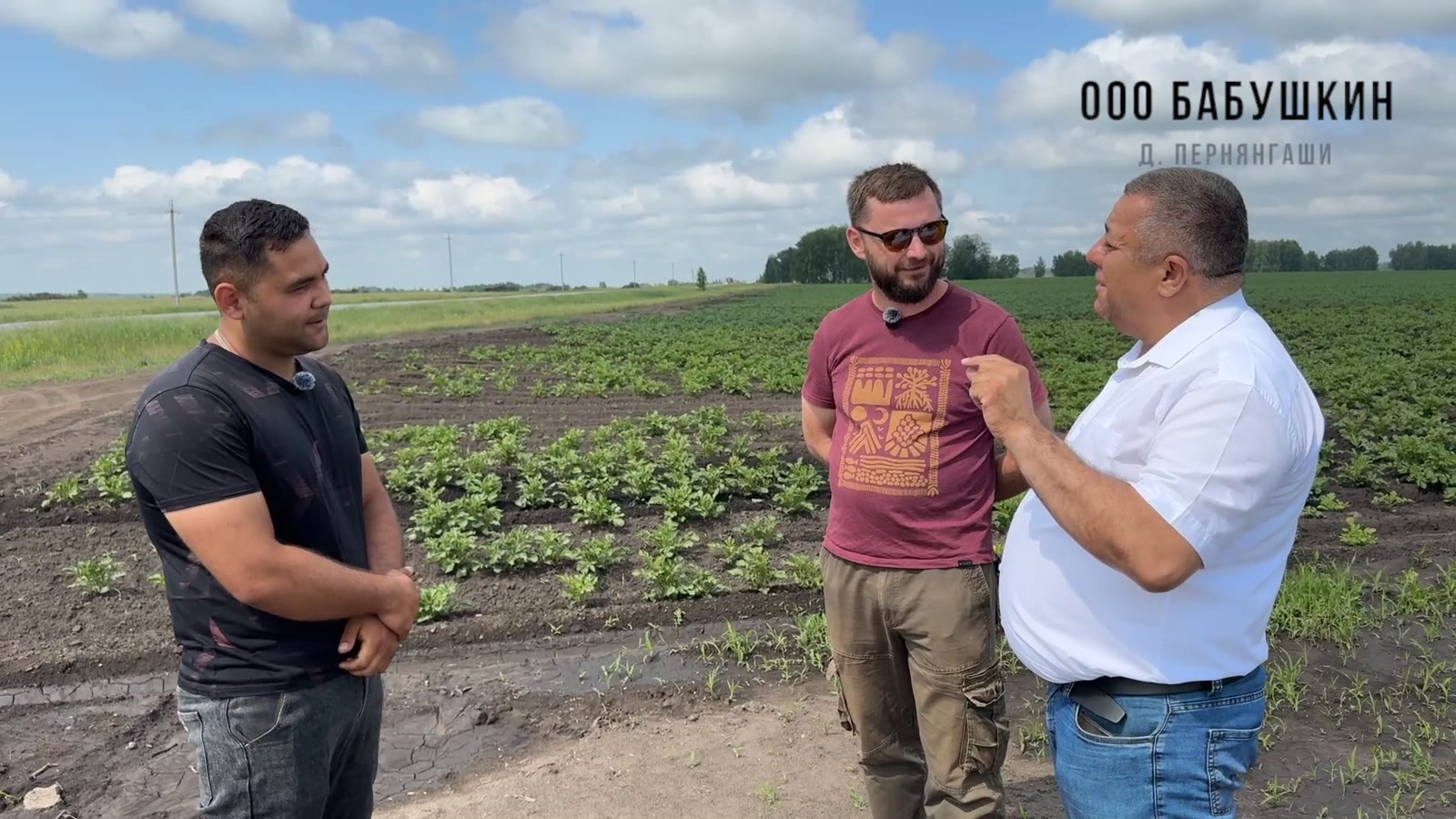
A size specification comes before the sale
There is a commercial category for some smaller potatoes. UNECE’s FFV-52 standard uses square-mesh sizing and sets a normal minimum of 35 mm for ware potatoes, with a separate provision for long varieties. It also allows tubers in the 18–35 mm range to be marketed as mids or under an equivalent designation, subject to the standard’s quality requirements.
That makes the buyer’s written specification important. The packing team needs to know which gauge to use and what sizes and defects the buyer will accept. A separate record for the small grade shows whether there is enough suitable crop to justify a dedicated run and whether the buyer can take it when it is ready.
Three records tell the story of one lot
The discussion suggests a simple way to keep track. Record net potato weight at intake after deducting soil and other foreign material. After grading, record the weights by size and intended outlet. At dispatch, record what was actually shipped and reconcile it with stock still in store and documented losses. Keeping the same lot identifier throughout makes those weights comparable.
At Dary Ordynska, the conversation started with tonnes and ended with a customer question. For a size that usually stays in the field, the first commercial decision is whether a buyer will accept a defined grade at a time when the farm can supply it.
Sources
The International Potato Tour at Dary Ordynska, part 2, discussion from 02:54
Dary Ordynska’s account of its farm in Novosibirsk Oblast
UNECE FFV-52 commercial quality standard for early and ware potatoes, Section III, 2023