
Russian Agricultural Bank Estimates Drone Potential in Southern Russia: Up to 15% Yield Increase
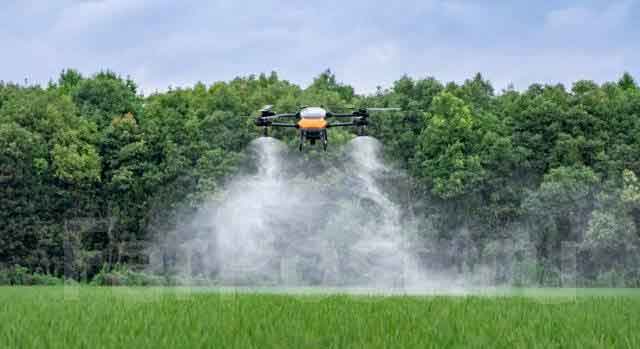
The use of unmanned aircraft systems (UAS) in agriculture across southern Russian regions could increase crop yields by approximately 10–15%, according to Natalya Chernysheva, Managing Director for Technological Development of the Agricultural Sector at Rosselkhozbank, in an interview with RBC TV Yug. However, the specialist clarified that the actual figure depends heavily on numerous factors — the specific farm, the level of agronomic development, the type of crop being grown, and the cost of flight time compared to alternative methods of performing agricultural work. For this reason, Chernysheva emphasized that each individual case requires its own economic calculation to determine the feasibility and potential benefits of drone technology.
Currently, flight restrictions in southern Russia pose a significant obstacle to the active adoption of UAS in agriculture. Chernysheva noted that these limitations hinder not only current drone applications but also the testing of new technologies and the development of operational protocols for different crop types and treatment methods. The restrictions slow the ability of farms to integrate drones into their workflows and assess their effectiveness across various agricultural conditions. The expert expressed hope that these flight restrictions will eventually be lifted or at least relaxed, which would unlock the full potential of drone technology in southern Russian agriculture and allow farms to realize the promised yield gains.