Russia: Self-Propelled Potato Harvesters Promise Up to 14 km/h, Fields Deliver 2.5–4
Russian growers compare brochure speeds with field reality for four-row self-propelled harvesters, and describe a market where new machines are sold out.
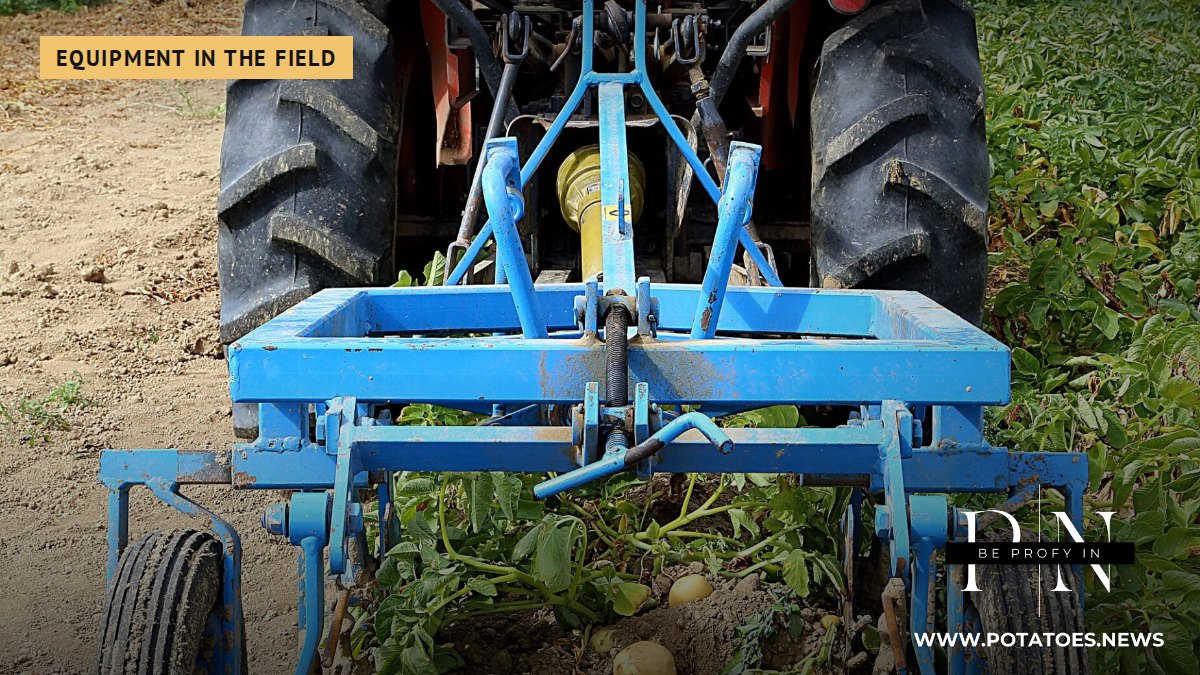
A four-row self-propelled harvester is the biggest machine decision a mid-sized potato farm makes. In a practitioners’ discussion this week, Russian growers compared what the brochures promise with what the field allows — and the gap is wide.
The case under discussion is the AVR Puma self-propelled harvester working four 75 cm rows. The stated working speed reaches 14 km/h. In the field, growers report 2.5 to 4 km/h. The reasons are not a faulty machine but physics: soil type, hill size, clod and stone content, haulm volume and the capacity of the cleaning units all cap the pace long before the engine does. A harvester is only as fast as the slowest separation stage, and on heavy or weedy fields that stage sets the tempo for the whole convoy.
A sellers’ market
Buying is the second bottleneck. Participants describe an overheated market for new self-propelled machines: fresh stock was snapped up early, and delivery slots stretch far ahead. In one grower’s phrase, the ships have sailed, and you will not catch them in a rowboat. For farms that missed the window, the realistic options are the used market, hiring harvest capacity, or squeezing another season out of the trailed machine.
Weekdays. Unsubscribe in one click.
The discussion also produced a benchmark. Participants cite the Russian-built Anna self-propelled harvester as notably steady when digging into green, undesiccated haulm — the exact conditions that slow most machines down, because green tops wrap around webs and rollers instead of separating cleanly.
Behind the speed figure sits a simple calculation. Four rows at a steady 3 km/h is roughly a hectare per hour; every extra kilometre per hour of sustainable pace is worth hectares per day when the weather window is short. Crews that hold 4 km/h through the whole field often finish earlier than machines that touch 7 km/h on light soil and then stop to clear wrapped rollers.
What buyers are advised to measure
The practical checklist emerging from the exchange is simple. Ask for field speed on your soil type, not the brochure figure. Check cleaning capacity in green haulm, because that is where the season’s hardest days will be spent. And count the real cost of waiting: a late delivery can cost more than a premium for a machine that arrives before lifting starts.
Harvest capacity, not yield, is what limits many mid-sized farms in a short, wet autumn. The numbers above come from working farms rather than test reports — but they are the numbers that decide the season.
The topic was raised by practitioners in the MAX messenger chat “КАРТОФЕЛЬ И Т.Д. (Potato etc.)”, which has more than 1,100 participants. Participants are not named.
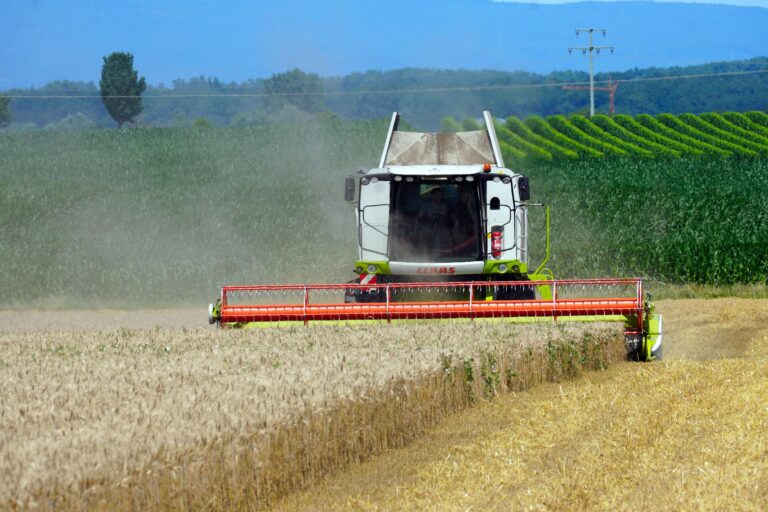
Photo: A potato harvester at work on a farm in Belgium (illustrative). Jamain / Wikimedia Commons, CC BY-SA 4.0