
Rainy Summer? No Problem: 5-Step Method to Save Up to 95% of Your Potato Harvest

A rainy summer turns potato harvesting into a risky lottery—wet tubers with damaged skin can rot within a week and spoil neighboring potatoes in storage. However, experienced gardeners in high-humidity regions have perfected a simple five-step system that preserves up to 95% of their crop without expensive chemicals. The strategy begins two weeks before digging, with mowing the tops to stop tuber growth and thicken the skin, making it more resistant to mechanical damage and bacterial infection. Harvesting is done only in dry weather, followed by a short drying session under a canopy, where moderate sunlight acts as a natural disinfectant.
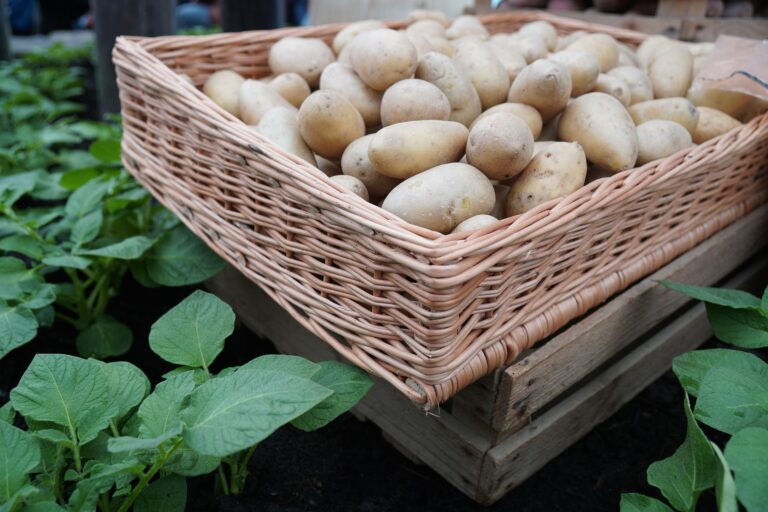
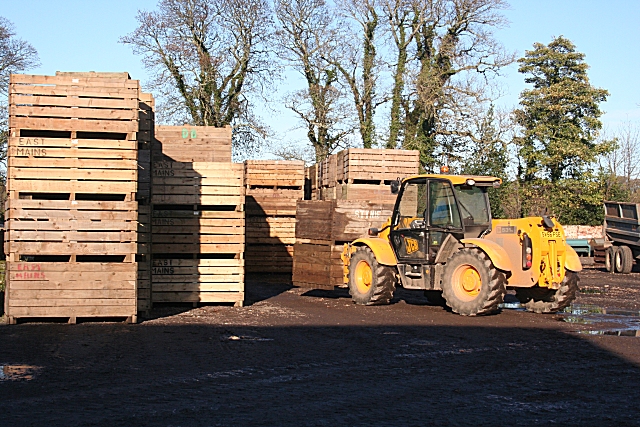
The next critical steps involve natural preservation and proper storage. Dry wood ash is sprinkled between layers of potatoes in crates—it suppresses pathogenic microorganisms and absorbs residual moisture, acting as a safe, natural preservative. Well-ventilated containers and a stable temperature of +2 to +4°C prevent condensation and slow rotting processes. Finally, weekly inspections are essential: one rotten tuber can infect an entire box in days, so any spoiled specimens must be removed immediately. This comprehensive algorithm—timely mowing, dry harvesting, drying, ash treatment, and controlled storage—has proven its effectiveness even in the most unfavorable climates, ensuring minimal losses and high-quality potatoes until the next season.