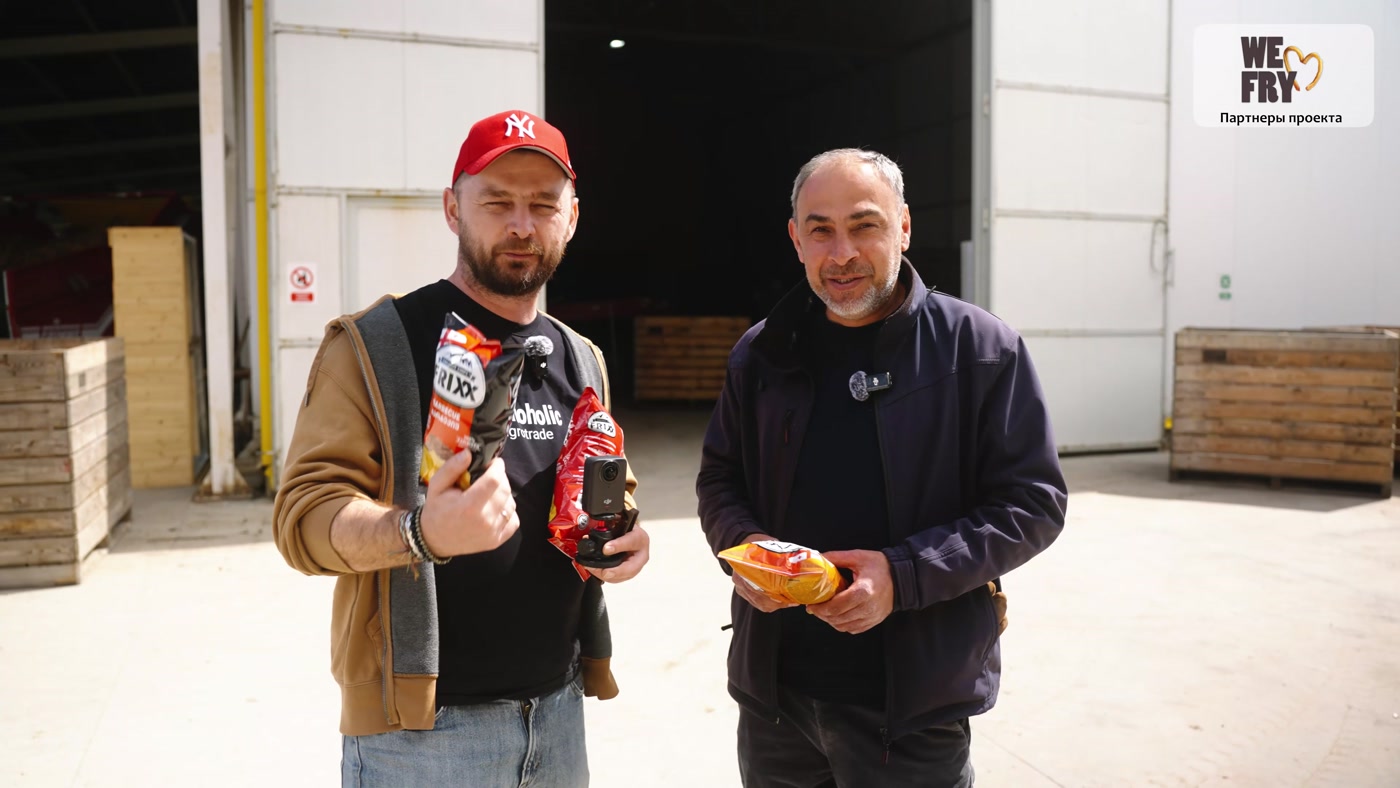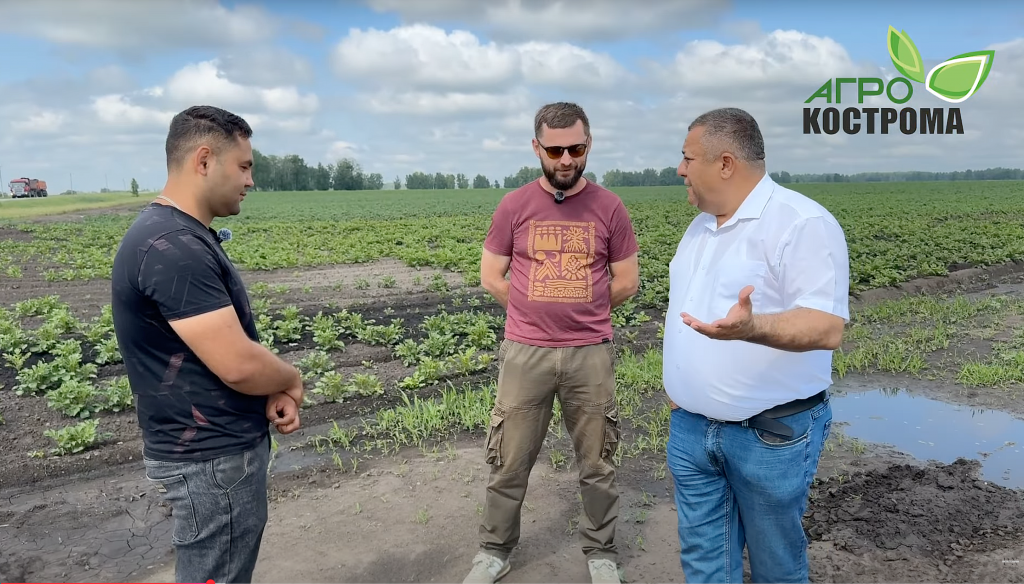
Dary Ordynska planted its first 40 hectares of potatoes in 2010. During the 2025 International Potato Tour visit to Novosibirsk Oblast, the farm described how it had built a business around three outlets for its crops: retail contracts, deliveries to distant buyers and potatoes for a Novosibirsk potato-chip plant.
How buyers check the crop before it leaves
The farm representative said that under its agricultural supply contracts, inspection company staff were stationed at the farm’s warehouse. They checked the lots, agreed any quality issues with the retailer’s contract team and cleared the goods for dispatch. The farm had been working under these contracts for seven to eight years at the time of the interview. Part 1, 21:33–22:32.
For long-distance orders, the representative cited rail shipments to northern Irkutsk Oblast, including Ust-Ilimsk. The team began discussing orders with regular buyers before harvest and waited until it knew more about the crop before committing to a price. The potato-chip contract gave the farm another outlet during the harvest itself. Part 1, 19:06–19:51.
Weekdays. Unsubscribe in one click.
Water and the harvest
The farm grows potatoes, cabbage, beetroot and carrots as well as field crops. Its representative described drawing irrigation water from the Orda River, using wells and building a reservoir. For that farm, the critical irrigation period ran from early June through the end of July. He put gross yield at around 30 tonnes per hectare overall and said the farm averaged 40 tonnes or more on irrigated fields, with results varying by season. Part 1, 17:31–19:04.
Training for the busiest weeks
The farm brought in students from the local agricultural college to help during harvest. It also set up a classroom at Novosibirsk State Agrarian University and hosted agronomy students for visits and practical placements. Part 1, 26:44–27:39.
Keeping vegetables between harvests
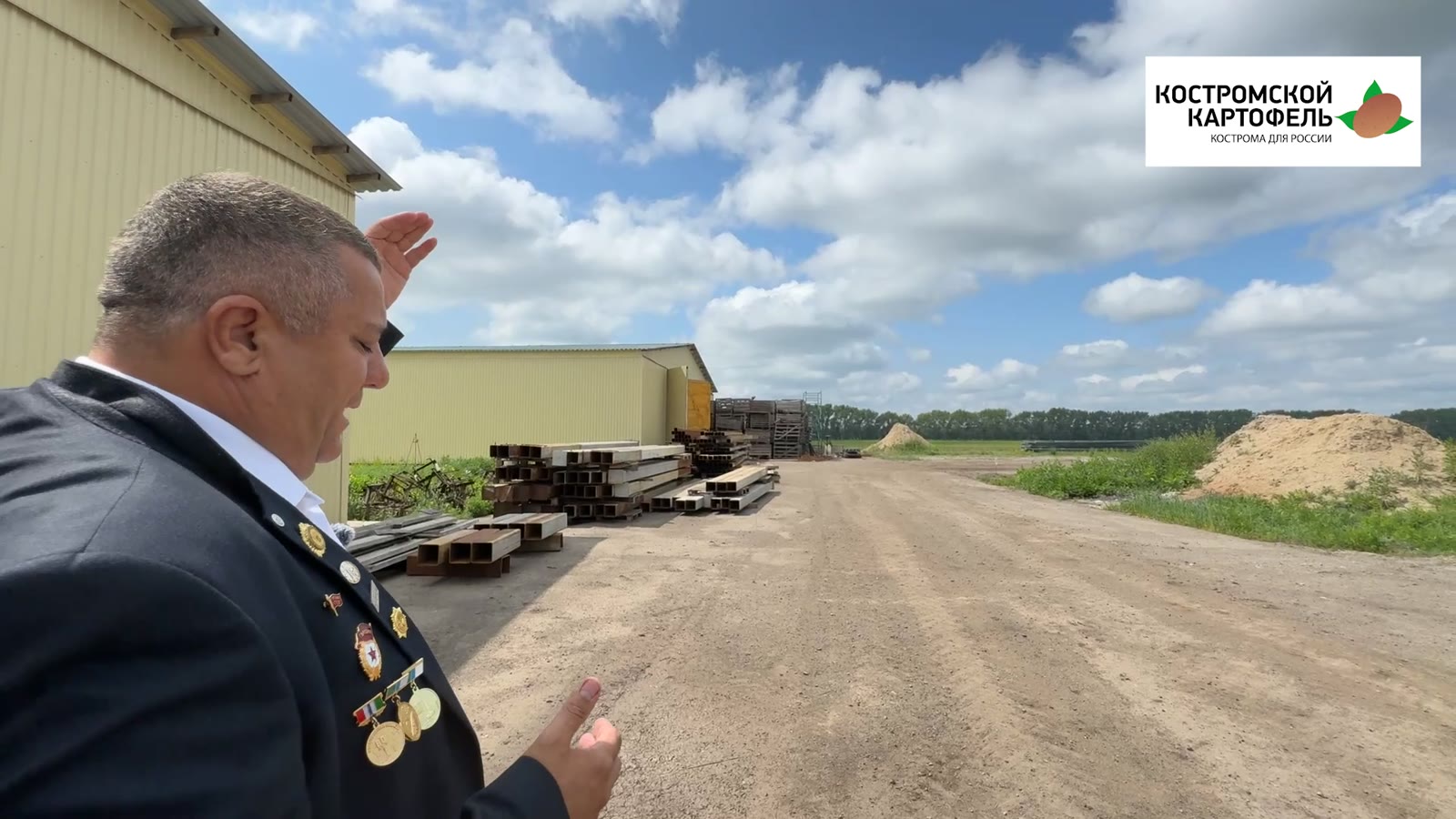
In the second part, the representative shows an insulated building that was already being used for handling beetroot. He said the farm had bought refrigeration equipment and hoped to use the building for more than 2,000 tonnes of cabbage once it was fitted out. The farm planned to bring more of its small-pack work and retail dispatches to the same site. These were plans described during the visit. Part 2, 19:32–21:57.
The farm also described its experience with washing, peeling and vacuum packing. A separate tour report follows the crop from intake to sale and explains how the team assesses smaller potatoes. Read the report on grading and saleable yield.