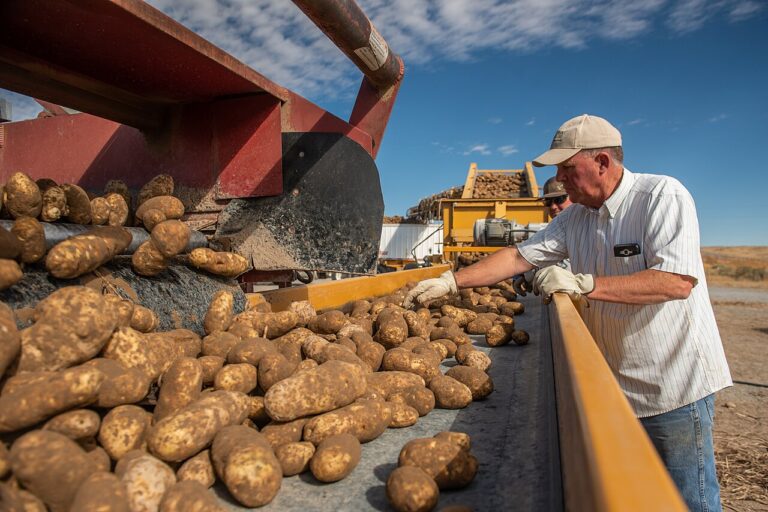
Potato Prices in Colombia Soar 78% Year-on-Year as Shrinking Planted Area Chokes Supply
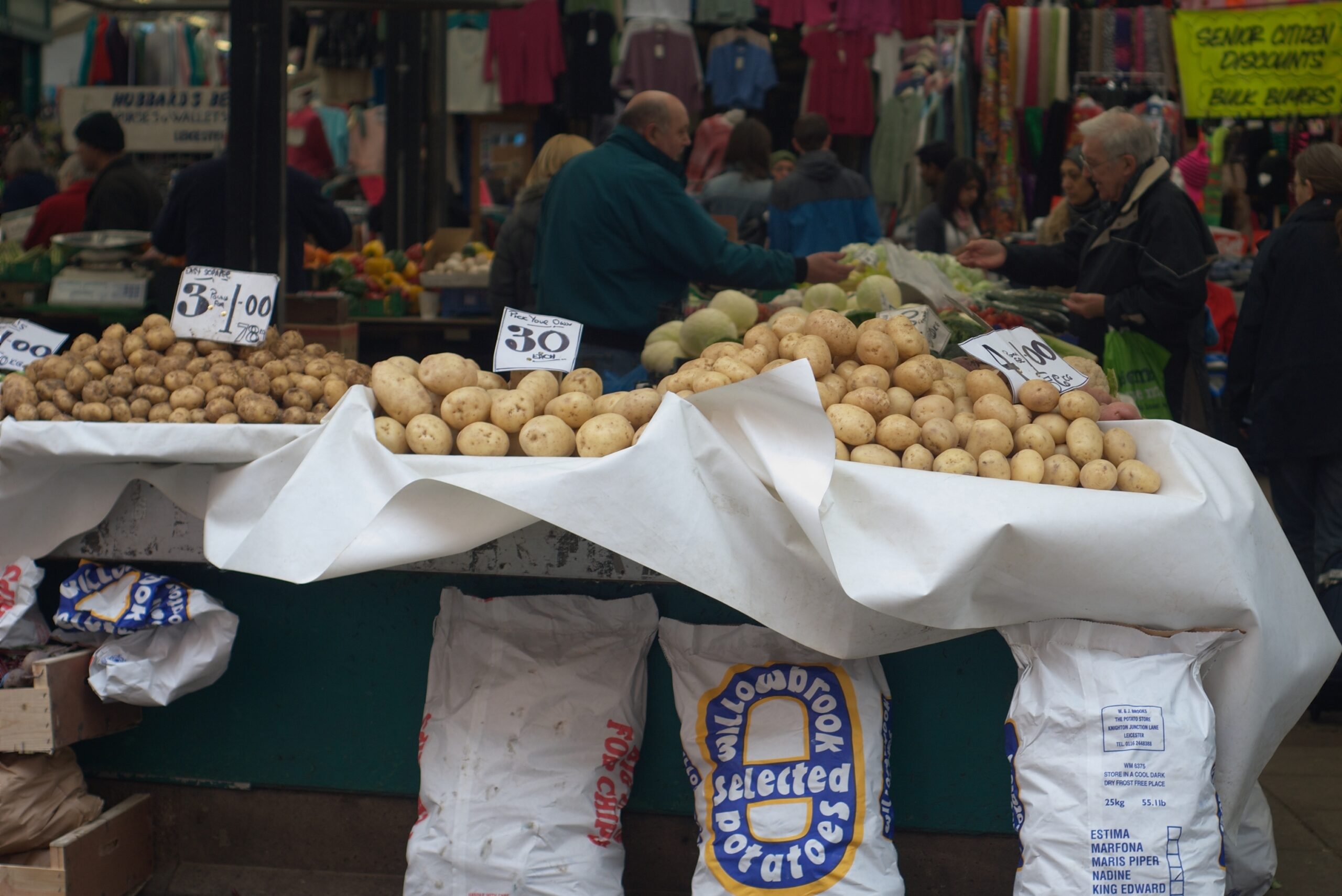
Potato prices in Colombia surged 78.28% year-on-year in September 2026 and have climbed 67.7% since the start of the year, according to data from DANE, the national statistics office, reported by the newspaper El Colombiano. For comparison, general inflation (CPI) stood at just 6.29% over the same period — meaning potatoes are outpacing the broader cost of living more than twelvefold. La FM, citing the same DANE release, put the potato figure at 78.24%.
The driver, according to Fedepapa, the Colombian potato federation, is a collapse in planted area after a ruinous 2025 season. Richard Sánchez, Fedepapa's general director, told Blu Radio (quoted by El Colombiano) that growers lost between COP 15 and 20 million per hectare last year, prompting many to abandon or shrink their plantings. Planted area fell by around 8% in September 2026, and Fedepapa expects the decline to deepen to 13–15% in October, Sánchez said.
The supply squeeze is visible at every point of the chain. Sánchez cited grower reference prices of COP 1,756–1,948 per kilogram, while at Corabastos — the country's largest wholesale market, in Bogotá — the parda pastusa variety reached COP 160,000 per 50-kilogram sack, El Colombiano reported.
Weekdays. Unsubscribe in one click.
The surge is the culmination of a trend building through 2026. As far back as late August, the agricultural outlet CONtexto ganadero was reporting that potato prices had "shot up" this year and dissecting the structural reasons behind the rise, including the financial exhaustion of smallholder growers and the lag between planting decisions and market supply. The story was first flagged internationally by the Argentine trade outlet Argenpapa on 10 October 2026.
The arithmetic behind the spike is stark. Losses of COP 15–20 million per hectare, as cited by Sánchez, are enough to push small and mid-sized growers — the backbone of Colombian potato production — out of the crop for at least one cycle. An 8% contraction in planted area in a single month, followed by a projected 13–15% decline in October, means the supply deficit is still widening rather than stabilising. And because potatoes are a four-to-five-month crop from planting to harvest, planting decisions being taken now will shape market supply well into 2027, locking in elevated prices even if demand softens.
For the wider Latin American potato sector, Colombia's situation is a textbook illustration of the boom-bust cycle in open-field potato production: heavy losses in one season translate into reduced plantings — and sharply higher consumer prices — in the next. The pattern also carries a warning for neighbouring markets, where similar cost pressures on seed, fertiliser and labour have squeezed grower margins over the past two seasons. With Fedepapa forecasting a further contraction of area in October, relief for Colombian consumers does not appear imminent; import policy, seed availability and grower credit will be the key variables to watch into 2027.