Peru: Pests Could Threaten Potato Crops in Certain Regions Through October
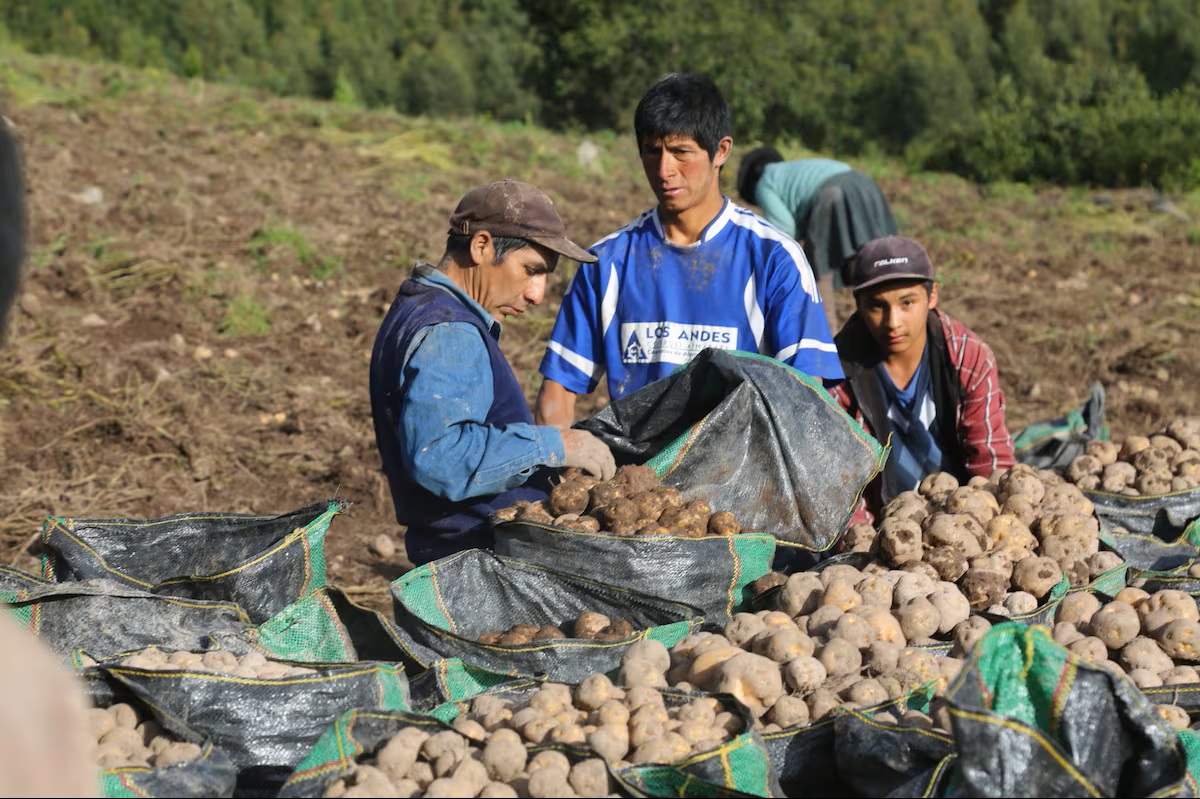
Across several agricultural regions in Peru, a high risk of pest pressure and phytosanitary threats to potato plantings persists through October. Agrometeorological conditions, marked by temperature anomalies and erratic rainfall patterns, are creating favorable environments for the proliferation of harmful insects and pathogens capable of damaging plant development and tuber bulking.
Peru is the leading potato producer in Latin America, making harvest stability in Andean and coastal valleys essential for the country’s food security.
Major Phytosanitary Risks and Threats
Weekdays. Unsubscribe in one click.
- Surge in Key Pest Populations: Current weather conditions favor population growth for the potato tuber moth (Phthorimaea operculella), the Andean potato weevil (Premnotrypes spp.), and various aphid species that act as vectors for viral infections.
- Vulnerable Development Stages: Heightened pest pressure coincides with critical crop growth phases—emergence, flowering, and initial tuber formation—threatening both overall yields and commercial tuber quality.
- Regional Vulnerability: Areas experiencing delayed rainfall or sharp diurnal temperature fluctuations remain the most exposed, as these stress factors weaken the natural resistance of the plants.
Recommendations for Agricultural Producers
Phytosanitary agencies and agronomy experts urge Peruvian farmers to intensify field monitoring and apply integrated control measures:
- Continuous Phytosanitary Scouting: Inspect fields regularly and deploy pheromone and sticky traps for early pest detection.
- Integrated Pest Management (IPM): Combine cultural, biological, and chemical methods responsibly, rotating active ingredients to prevent pest resistance.
- Rigorous Field Husbandry: Perform timely hilling up to shield developing tubers from larval entry and verify the phytosanitary purity of all planting stock.
Specialists emphasize that proactive field monitoring and early intervention through October will be critical to minimizing crop losses and ensuring a stable potato supply for the domestic market.