Pakistan’s Potato Sector After a 12-Million-Tonne Crop: Surplus, New Export Routes and the Push for Local Seed
A record 2025–26 harvest of about 12 million tonnes and the closure of the Afghan border crashed potato prices in Pakistan. Lahore trader Mian Sohaib Shabbir describes how the market is recovering, where exports are heading and what the industry needs next.
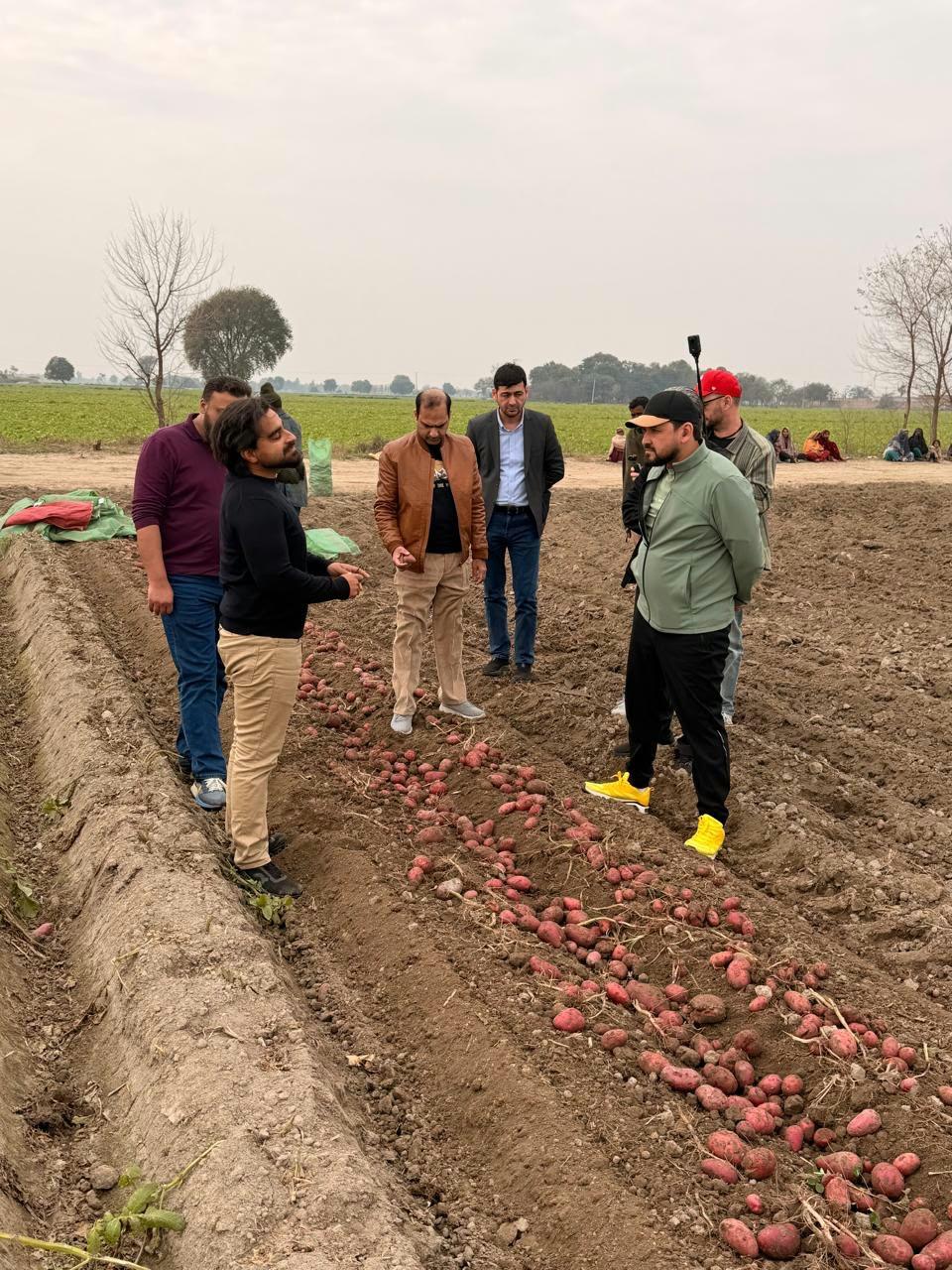
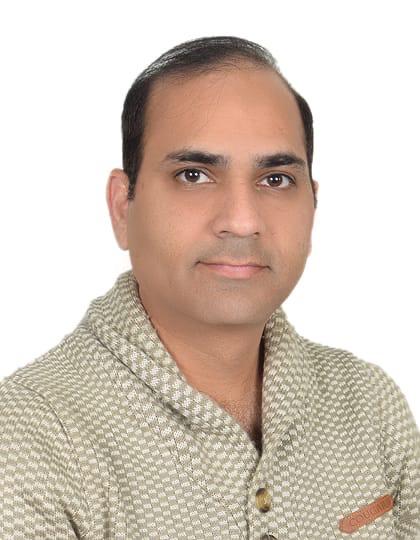
This material was provided to Potatoes.News by Mian Sohaib Shabbir, Proprietor of Mian Sohaib & Co., an importer, exporter and fruit and vegetable commission agent at the New Vegetable Market, Lahore (Pakistan). Figures attributed to the author are his estimates; facts from published sources are referenced below.
Pakistan’s potato industry has just been through one of its hardest seasons. The 2025–26 harvest reached about 12 million tonnes, while exports through Afghanistan, traditionally the main outlet, were blocked by the closure of the border in October 2025. According to Mian Sohaib Shabbir, a Lahore-based fruit and vegetable trader, the result was a surplus of roughly 4 million tonnes, a price crash and heavy losses for growers, followed by a gradual recovery as new export routes opened.
A record crop meets a closed border
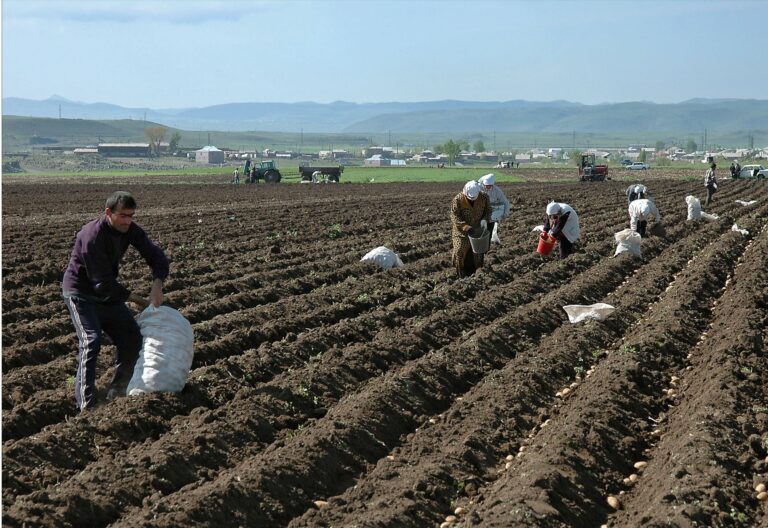
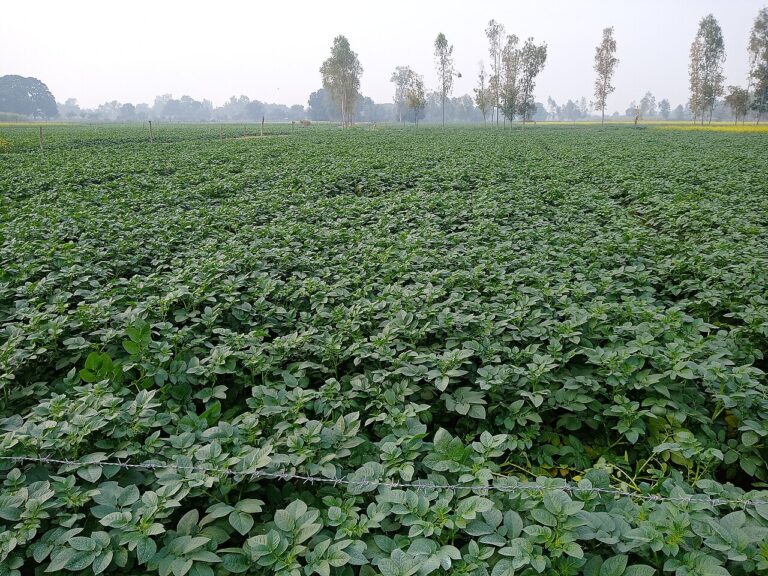
Potato area in Pakistan grew by 14% in 2024–25 to 953,000 acres, and Punjab expanded its area by a further 24% in 2025–26, Dawn reported in February 2026; production was 9.4 million tonnes in 2024–25. Punjab accounts for the overwhelming majority of the crop, centred on Okara, Sahiwal, Pakpattan, Kasur and Depalpur.
Weekdays. Unsubscribe in one click.
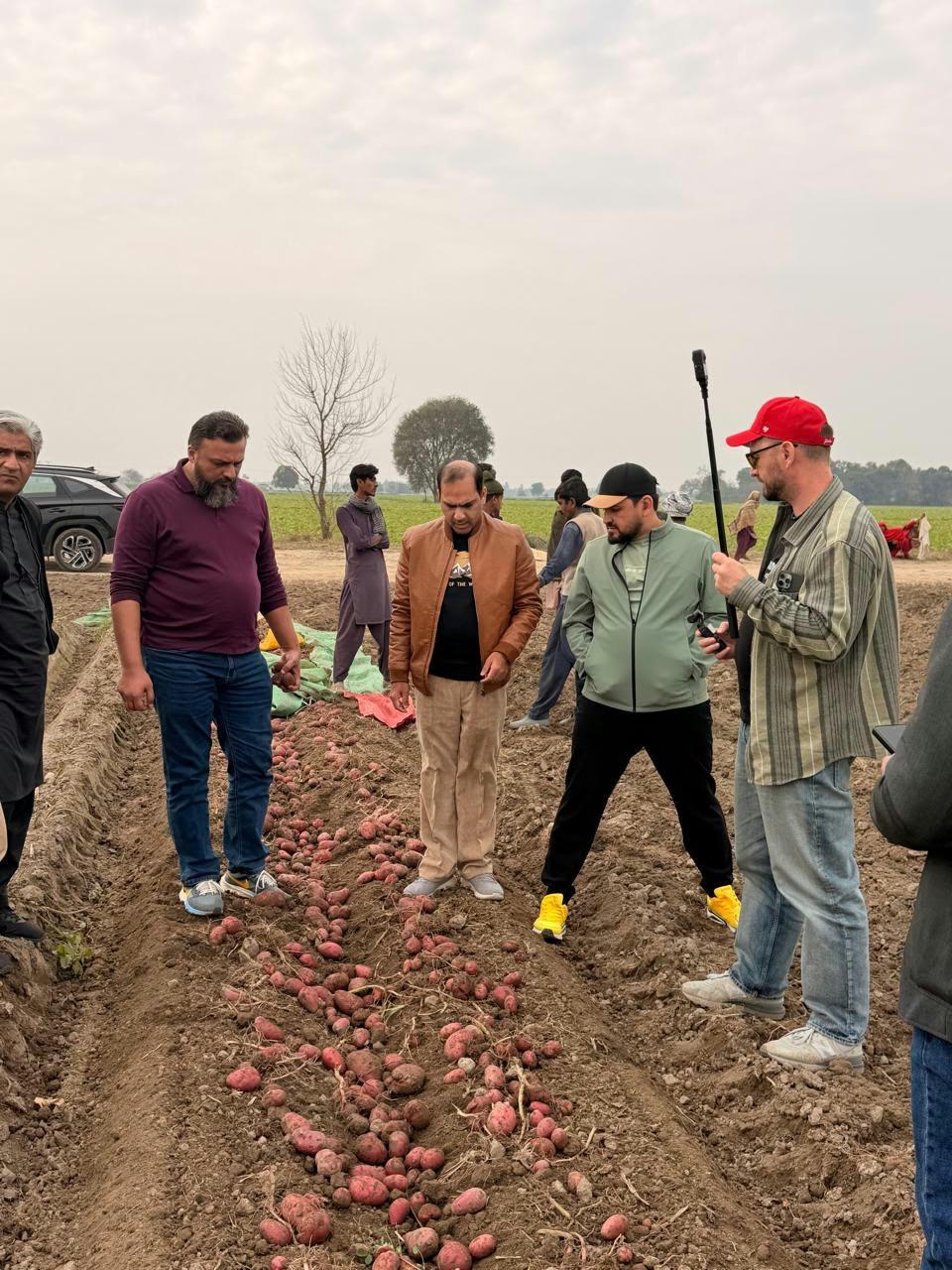
With the Afghan route closed, wholesale prices fell well below production costs. The author puts the cost of growing an acre of potatoes at about PKR 260,000–270,000, or around PKR 26–27 per kg, while farm-gate prices in districts such as Sahiwal dropped to PKR 15–25 per kg. By his estimate, many growers lost PKR 235,000–250,000 per acre; some ploughed standing crops back into the soil, and some cold-store owners sold stock simply to recover storage rent. Punjab has more than 800 potato cold stores with a combined capacity above 3.5 million tonnes, according to Dawn, and they were packed to capacity.
October 2026: prices recover
By October 2026 the market had turned. The author reports wholesale prices in Lahore of PKR 3,300–3,600 per 100 kg for “sugar-free” (processing-type) potatoes, PKR 2,700–3,300 in Rawalpindi and PKR 1,800–2,000 in Sahiwal. Stocks from the previous harvest have largely cleared ahead of the autumn planting, and further seasonal price rises are expected before the new crop from Okara and Sahiwal arrives in December–January.
Farmers have gone back to planting for 2026–27. Some have cut their area, for example from 100 to 70 acres, but few have left potatoes altogether because there are few profitable cash-crop alternatives in the winter (Rabi) season, the author notes. He expects prices to remain volatile, depending on how open borders are and how export logistics develop.
New export routes: Russia, Kazakhstan, the Gulf
Exports helped relieve the pressure. Pakistan exported about 248,000 tonnes of potatoes worth US$56 million in July–January of FY2025–26, with the UAE and Sri Lanka the main destinations, Food Business MEA reported in May. Russia, which restricted Punjab potatoes in May 2025, allowed three exporters back from 8 April 2026 and approved 101 Punjab exporters in July, Pakistan Today reported. Kazakhstan agreed to import 50,000 tonnes of Pakistani potatoes, with shipments planned for April–June 2026, according to Bloom Pakistan.
The author lists Afghanistan, Sri Lanka, the UAE, Qatar, Oman and Malaysia as the main traditional markets and sees Russia, Kazakhstan, Iraq and Turkmenistan as the most promising new ones. When the Afghan route was closed, exporters had to switch to sea routes or transit via Iran; according to the author, freight in some cases rose from US$4,000 to US$13,000 per container, and a shortage of reefer containers at Karachi ports limits competition with India and Egypt in Middle Eastern and Southeast Asian markets.
Seed, storage and processing: the structural gaps
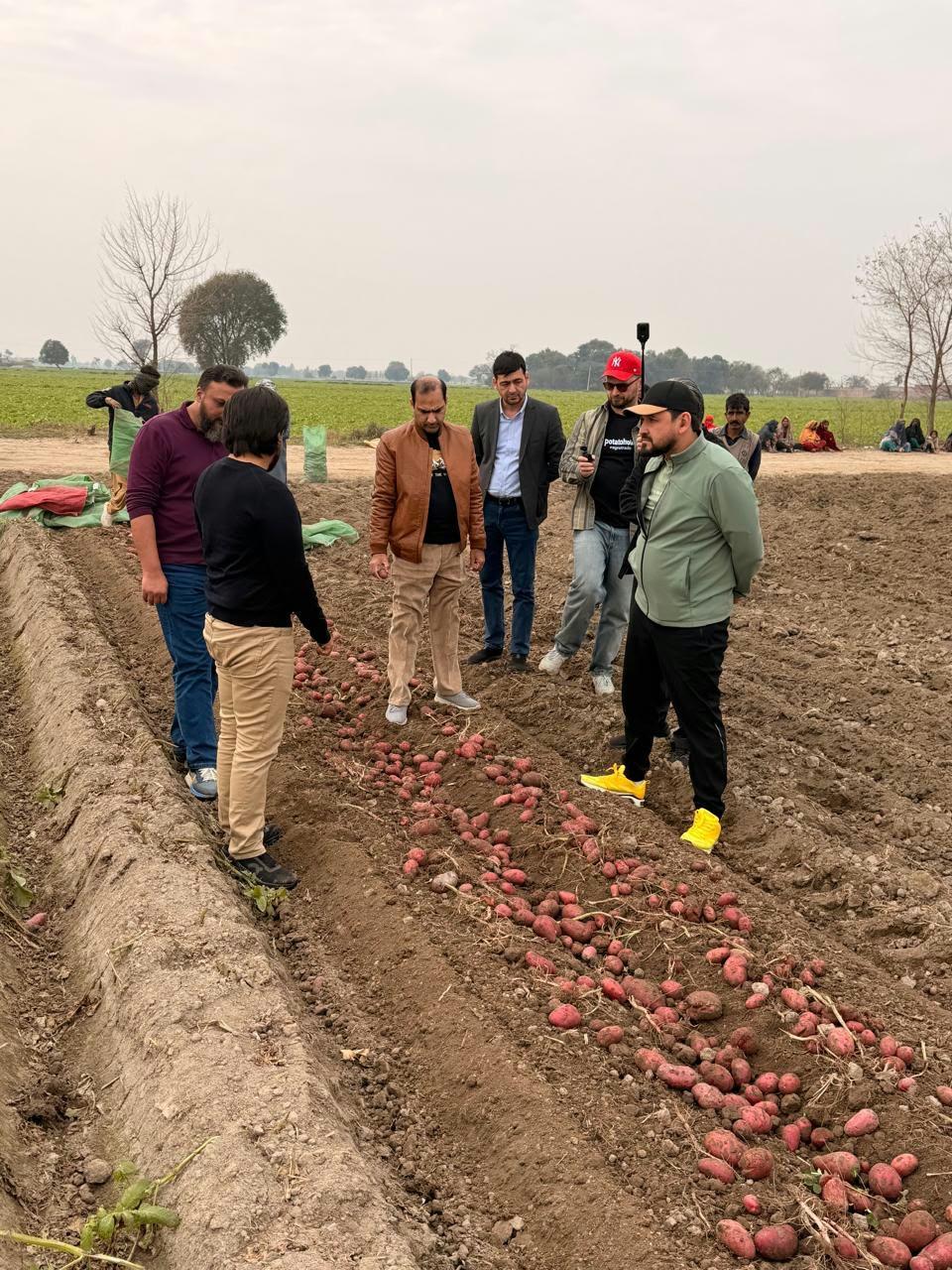
- Seed. According to the author, less than 5% of production uses certified, virus-free seed; most farmers reuse their own tubers or buy from informal traders. Pakistan has historically imported 10,000–20,000 tonnes of certified seed a year, mainly from the Netherlands. The Pakistan Agricultural Research Council (PARC), working with the Korea Partnership for Innovation of Agriculture (KOPIA), and private tissue-culture labs are scaling up aeroponic production of mini-tubers, which yields 40–60 tubers per plant compared with about 5 in soil. The target is 20–30% self-sufficiency in virus-free seed by 2027.
- Storage. The author estimates post-harvest losses at roughly 20–30% of production, caused by mechanical damage, poorly controlled temperature and humidity, and rots in tubers stored damp or without curing. Small growers often lack the storage or credit to hold their crop and are forced to sell straight after harvest.
- Processing. Only about 5% of the crop meets industrial processing specifications, the author says, so most potatoes are sold fresh. Chips need high dry matter (typically above 20–22%), and processors have relied on imported varieties such as Lady Rosetta, Hermes and AVR. Frozen French fry production is growing but still small, and starch, flakes and flour are largely imported.
- Varieties. Widely grown varieties include Sante, Asterix, Lady Rosetta, Mozika, Esmee, Santana and Kuroda.
Where cooperation is needed
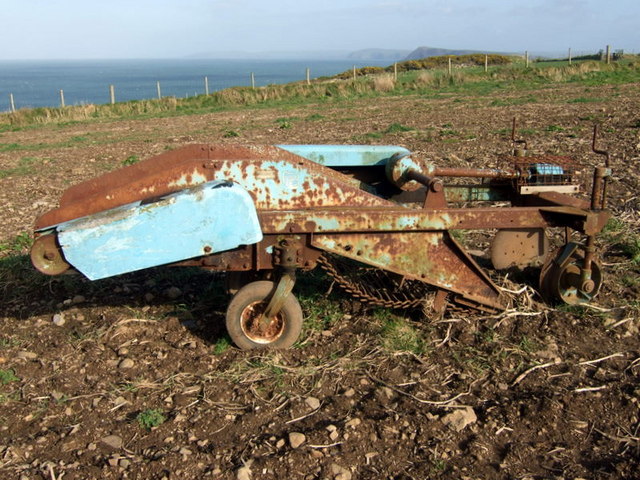
The author sees three areas for international partners: direct B2B export supply to Russia and Central Asia; joint ventures in processing, above all frozen fries and starch, since most Pakistani potatoes are sold raw; and cold-chain and storage technology, including controlled-atmosphere storage, to cut losses and meet phytosanitary requirements. On the farm, he points to mechanised planters and diggers made by local workshops in Okara and Lahore, soil testing instead of blanket fertiliser rates, and farmer field schools on integrated pest management and post-harvest handling, such as those run by CABI in Okara, Sahiwal and Kasur.
What this means for the market
- A new supplier for Russia and Central Asia: with a surplus of around 4 million tonnes and 101 exporters approved by Russia, Pakistani table potatoes are likely to remain a competitive factor in these markets.
- Logistics decide the price: border closures and freight costs, not just the size of the crop, determined how deep Pakistan’s price crash was.
- Opportunities in seed, storage and processing: low use of certified seed, high post-harvest losses and limited processing capacity point to demand for technology and investment partners.
Sources: material provided by Mian Sohaib Shabbir (Mian Sohaib & Co., Lahore), October 2026; Dawn (02.02.2026) dawn.com; Food Business MEA (05.05.2026) foodbusinessmea.com; Profit by Pakistan Today (09.04.2026) profit.pakistantoday.com.pk; Pakistan Today (08.07.2026) pakistantoday.com.pk; Bloom Pakistan (05.02.2026) bloompakistan.com.