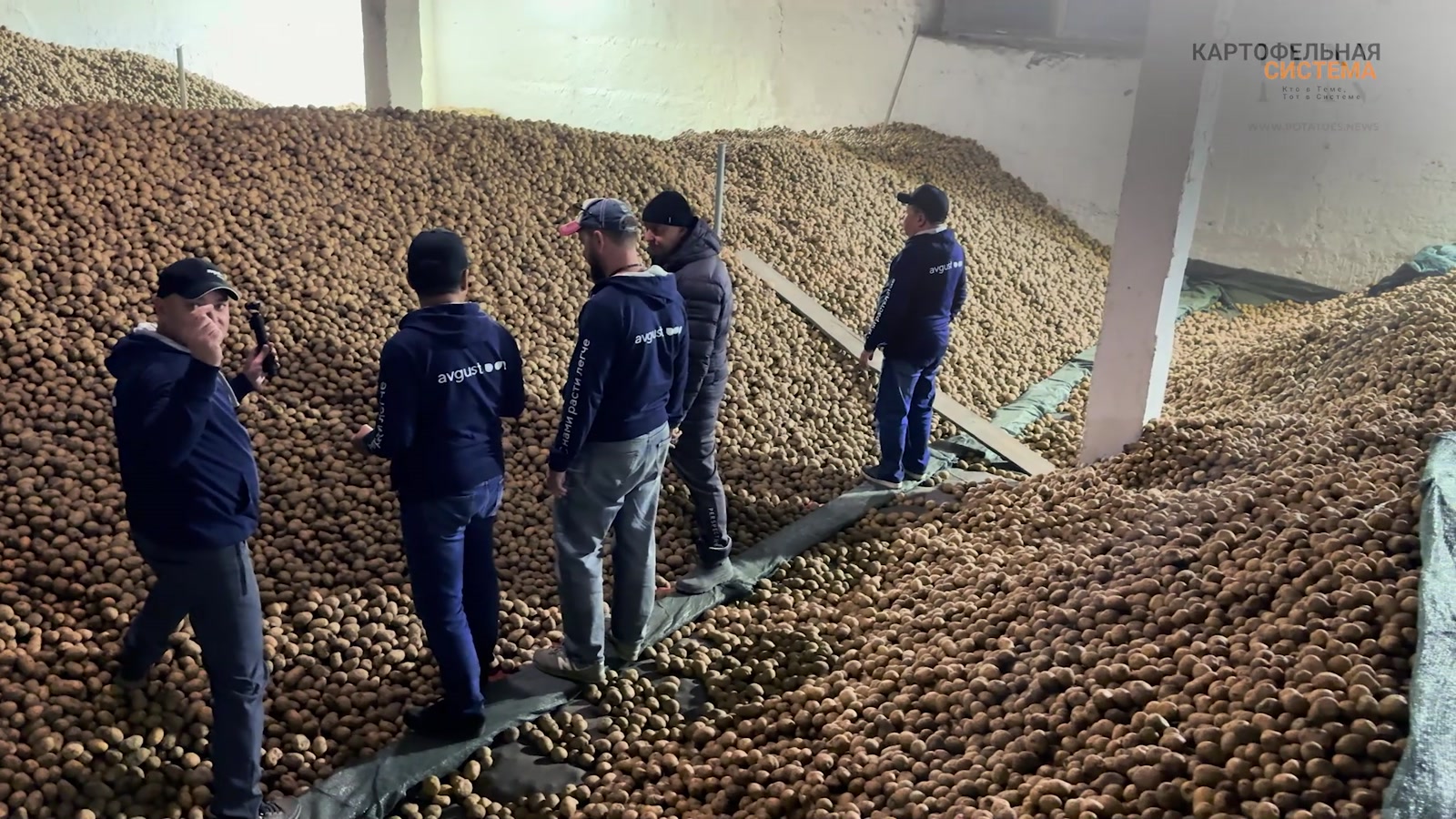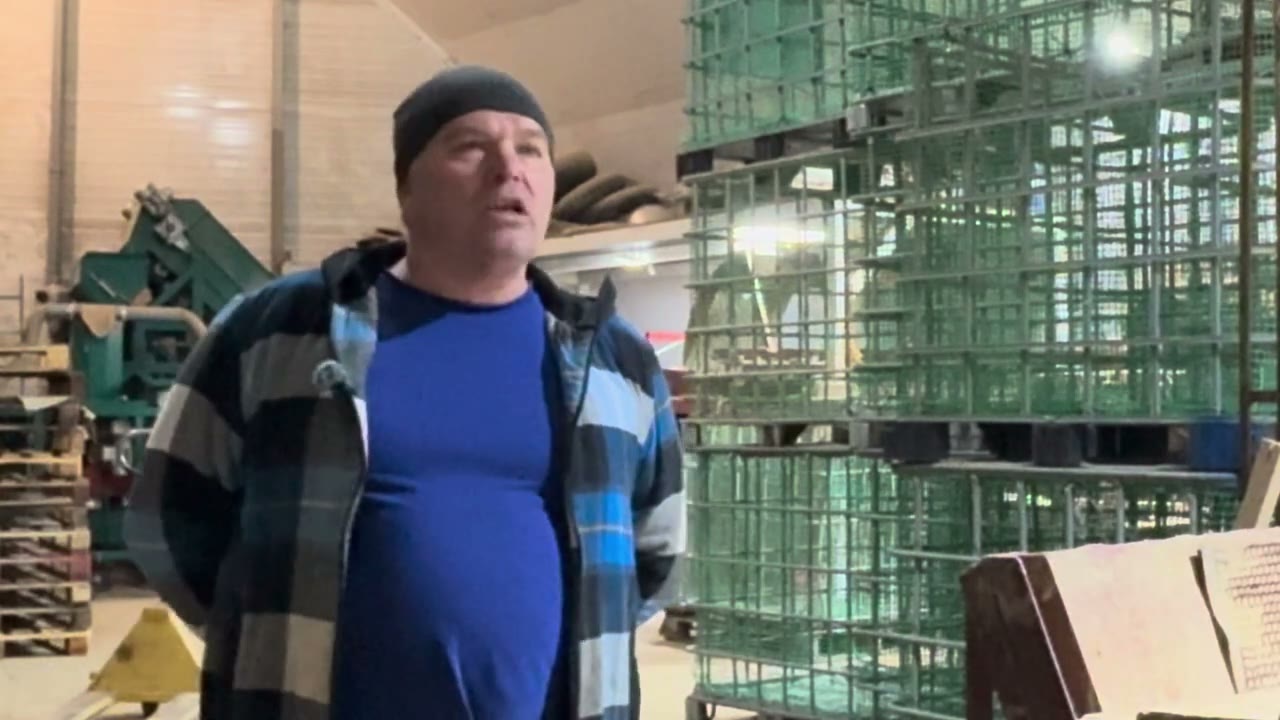
In this archived International Potato Tour interview from the Mozhaysk district of Russia’s Moscow region, farmer Gennady Kalinin explains how his family built a business around growing and storing potatoes. The 43-minute interview was already public in April 2025.
From tractor driver to family farmer
Kalinin says he started working alongside his father, a potato crew leader, at age 13. He left his state-farm job in 1992 and says he was concentrating on potatoes by 1997. At the time of the interview he reported 15 hectares of potatoes and 5 hectares of carrots, with three permanent workers and extra help when produce came into storage.
He said his son ran the vegetable operation while he ran a separate farm machinery contracting business. The two businesses supported each other, and Kalinin said the family had built them without taking out loans.
Weekdays. Unsubscribe in one click.
Cold storage and wire-mesh bins
Kalinin described Moscow as the main market. His farm supplied several buyers when they needed extra stock. He said he built cold rooms so he could keep potatoes available for those customers.
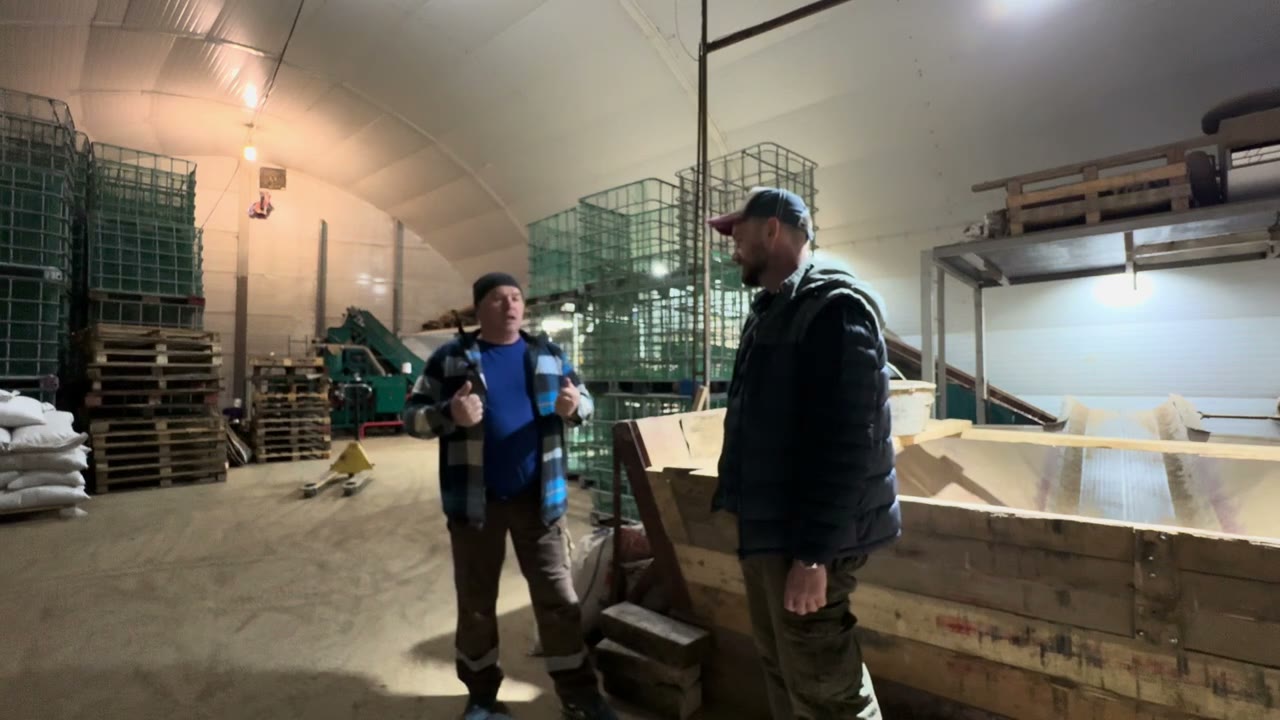
He first bought and repaired used bins. Later, seeing wire-mesh containers for aluminium cans at a scrap yard gave him the idea for storing potatoes in similar containers. When he told the story, he estimated the earliest of his own bins were more than 20 years old.
A high yield still has to keep in storage
Kalinin said the farm bought small amounts of fresh seed each year. He was expecting a delivery of Mia seed and hoped to buy more Baltic Rose. He said Arizona had yielded well on his farm, while he had struggled to keep it in long-term storage.
The work between a pallet and a buyer’s vehicle
Kalinin traced the handling of a bag of potatoes from the pallet to the scale and then into the buyer’s vehicle. He said that in his workflow each bag could be handled four or five times. He also counted washing work clothes among the farm costs that are easy to overlook.
His advice to newcomers was to try a modest area for a season and work out whether they had the people, suitable land and money to keep going.
A wider bed still on the drawing board
Kalinin said he formed ridges with a rotary tiller in spring and mixed fertiliser into the ridge. He wanted to try the system he referred to as a 1.40 m bed, drawing on his time at the state farm, but said he still needed a six-row planter and a tractor able to pull it.
At the time of the interview, he said he had two irrigation machines in use as sprinklers and used a third on the mainline. He also said he had switched from drawing irrigation water from a pond to using a well.
Watch the full interview
Watch the full interview on YouTube
Watch the same full interview on RUTUBE
Video chapters
- 00:44 How Kalinin got into potato farming
- 04:08 Cropping area, buyers and cold storage
- 07:16 How the farm came to use wire-mesh bins
- 18:50 Seed purchases and variety choices
- 25:19 What it takes to handle a bag of potatoes
- 33:12 Spring ridges and the planned wider bed
- 41:58 Irrigation equipment and water supply