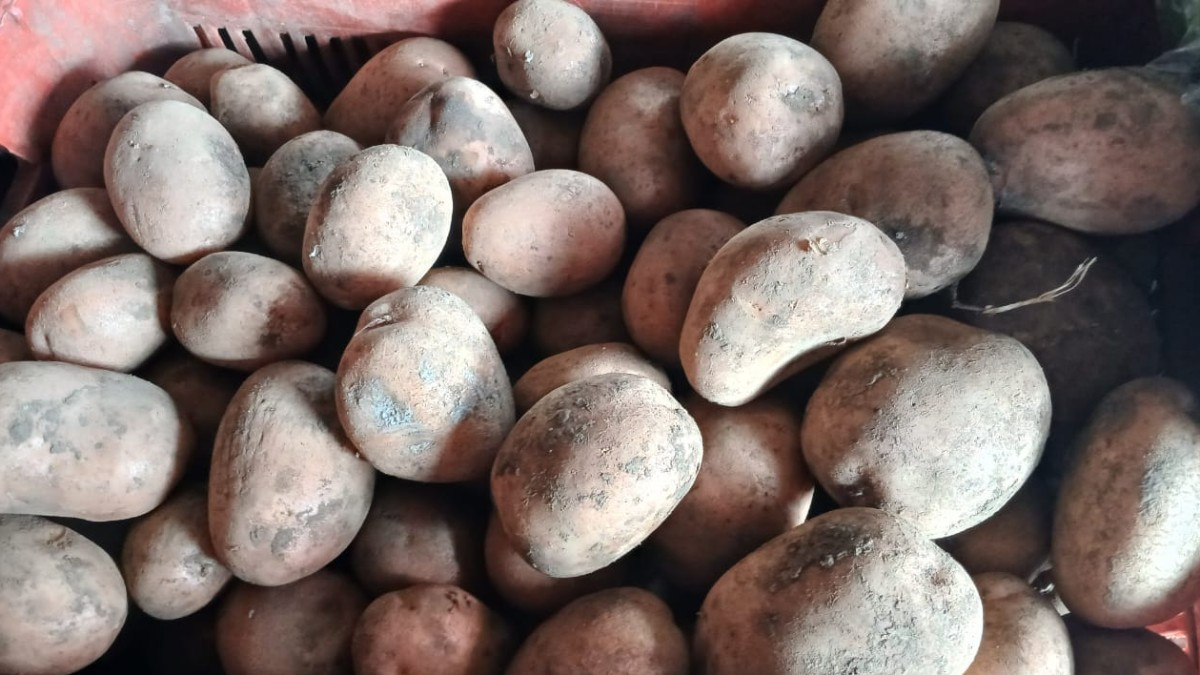
A sharp increase in the price of fresh potatoes has been noted in the domestic food market of Nicaragua. The price growth has impacted both wholesale distribution centers and retail chains, substantially increasing local consumers’ expenditures on this staple food product.
Potatoes are an integral part of the daily diet for residents of Nicaragua. However, the current market situation is forcing buyers to alter their consumer habits due to a noticeable blow to the family budget.
Causes of the Price Spike
Industry experts and retail analysts highlight several key factors that have triggered the current price growth:
- Seasonal Shortage: The current period is characterized by a temporary decline in local harvest volumes within the country’s primary production zones (the departments of Jinotega, Matagalpa, and Estelí), leading to a reduction in market supply.
- Climate Conditions: Unstable rainfall patterns and high temperatures in several regions have negatively impacted overall yields and tuber quality, restricting the volume of market-grade potatoes.
- Rising Production Costs: Increased prices for imported fertilizers, crop protection products, and fuel for agricultural machinery have driven up the final production cost for farmers.
Situation in the Retail Sector
At the country’s main trading platforms, consumers are facing a significant change in price tags. While potatoes previously remained one of the most affordable vegetables in the basic food basket, their current cost is forcing retail chains to purchase smaller batches due to concerns over a drop in consumer demand.
Small food service businesses (local diners and eateries) are also forced to adapt to the new economic realities. To avoid raising prices on prepared dishes, many are reducing portion sizes or partially replacing potatoes with other root crops and vegetables that are more stable in price.
Outlook and Expectations
Specialists suggest that price pressure in the Nicaraguan market will begin to ease only with the start of large-scale arrivals of the new harvest. Until then, prices are likely to remain at a high level. As a temporary measure to stabilize the situation, trade authorities may consider increasing potato import volumes from neighboring countries in the region to balance supply and demand in the domestic market.