Spain (Salamanca): Despite Good Potato Quality, the Campaign is Marked by an Atmosphere of Pessimism
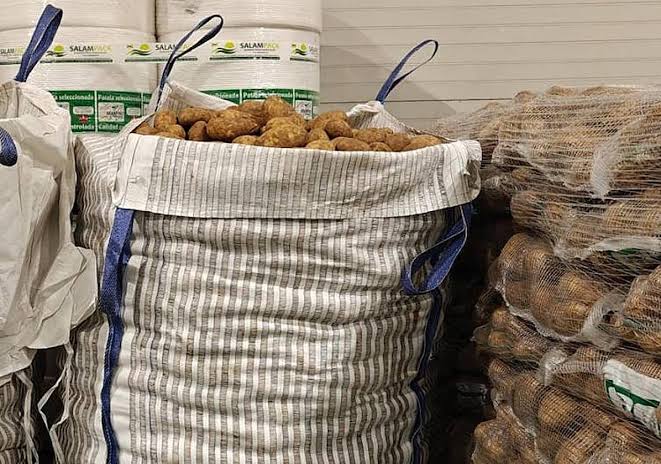
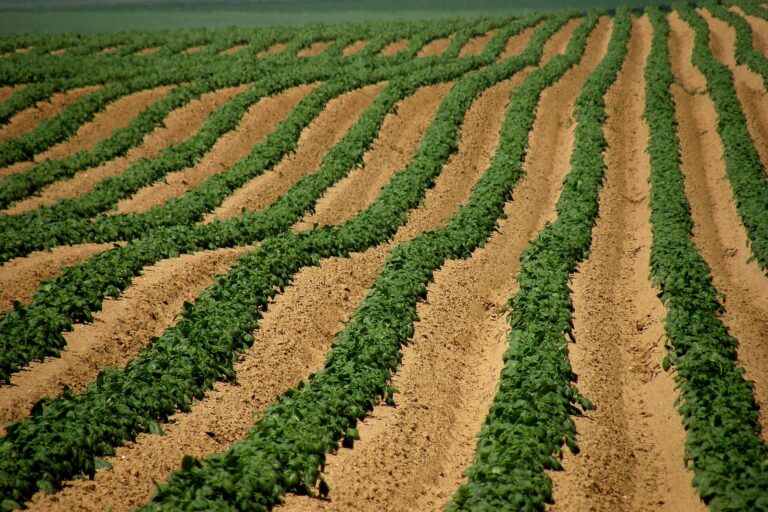
In the province of Salamanca (autonomous community of Castile and León, Spain), the potato harvest campaign is in full swing. However, contrary to the excellent commercial characteristics and high quality of the harvested tubers, pessimistic sentiments prevail among local farmers and industry experts.
Salamanca is traditionally one of the key potato-growing regions in Spain, whose produce is highly valued in both domestic and European markets. The current agricultural season has demonstrated that growing a good crop is only half the battle, and economic realities can overshadow even the most optimistic forecasts.
The Season’s Paradox: Excellent Quality Against Falling Prices
The main cause for concern among farmers has been the market situation. The potato batches arriving from the fields are visually appealing: the tubers have the correct sizing, clean skin, and are virtually undamaged by diseases or pests. Nevertheless, this success is negated by a sharp drop in farmgate prices, which began as the harvest campaign reached its peak capacities.
Weekdays. Unsubscribe in one click.
The market faced a short-term oversupply, as the harvest in Salamanca coincided with the conclusion of shipments from the more southern regions of Spain and the start of harvesting in other provinces of Castile and León. As a result, wholesale buyers began aggressively lowering prices, putting the profitability of many farms at risk.
Factors Fueling Farmers’ Pessimism
In addition to price pressure, several lingering issues within the sector contribute to the negative background:
- Colossal production costs: The cost of growing potatoes in the current cycle has reached record values. High prices for electricity (required to run irrigation systems), diesel fuel, certified seeds, and fertilizers eat up all potential profits.
- Labor shortages: Farmers continue to experience an acute deficit of qualified seasonal workers for harvesting and sorting crops, which increases labor costs.
- Strict retail network requirements: Large retail chains impose rigid requirements regarding the size and appearance of the tubers, discarding produce that yields no ground to the ideal ones in terms of taste, thereby increasing producer losses.
Outlook and Expectations
Industry unions in Salamanca note that the current situation may force many small and medium-sized producers to reduce potato acreage next season in favor of less costly and more stable crops.
Stabilization of the situation is expected closer to the end of autumn, when supply volumes on the fresh market decrease and produce begins to enter specialized storage facilities. Until then, the province’s farmers have to operate on the verge of breaking even, hoping for an upward correction in prices.