Two Midwest extension services publish almost the same petiole sap nitrate targets for irrigated Russet Burbank. The ranges fall by about half at each growth stage, and early uptake matters most.
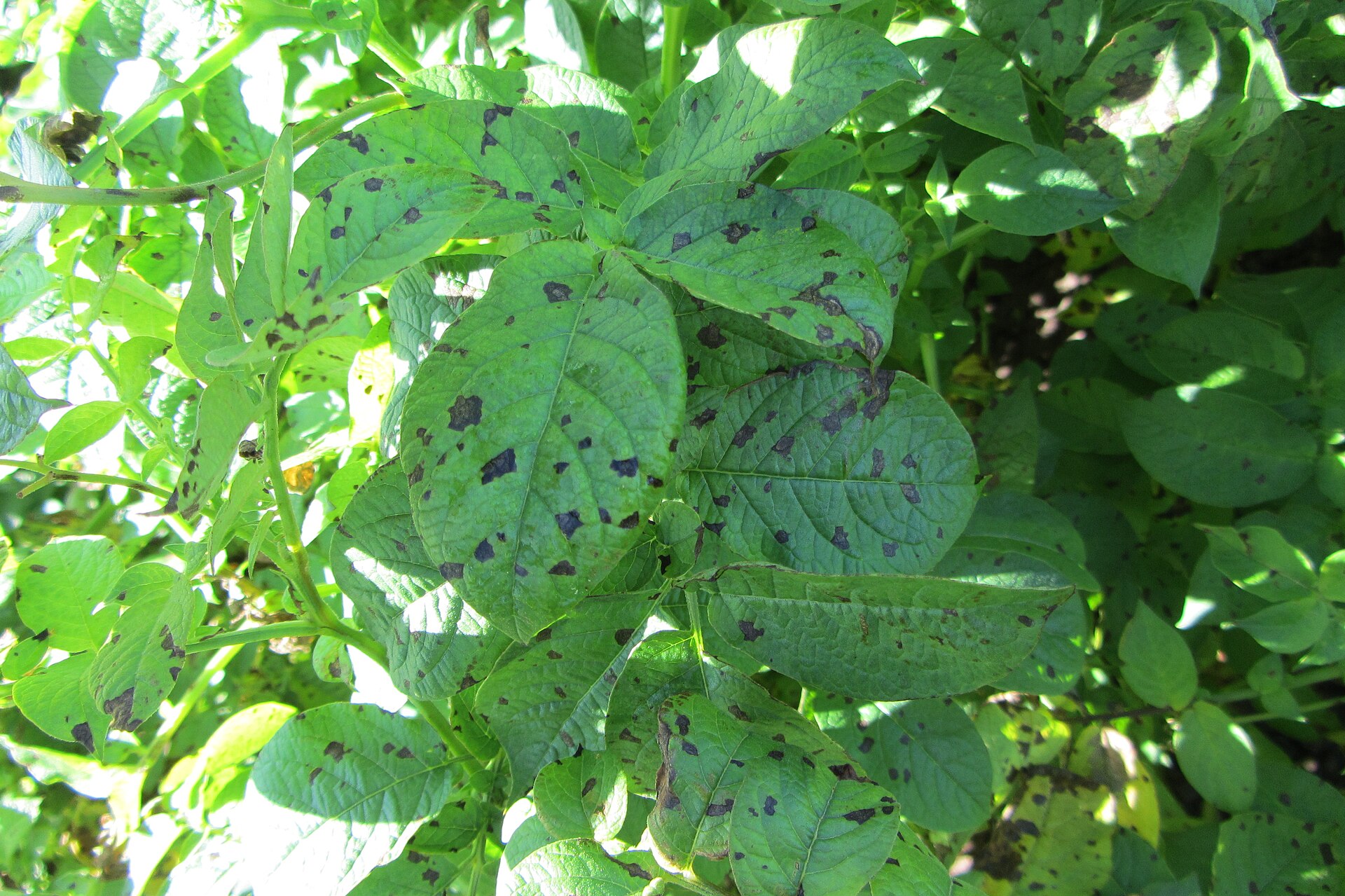
Field and laboratory work in Sweden shows how fast Alternaria solani can escape SDHI fungicides. In Wisconsin, specialists start early blight sprays at 300 P-days and report strong strobilurin resistance.
A six-year Czech survey of 69 beetle populations found no population fully sensitive to a common pyrethroid. Extension advice is to rotate insecticide groups by beetle generation, not by brand.
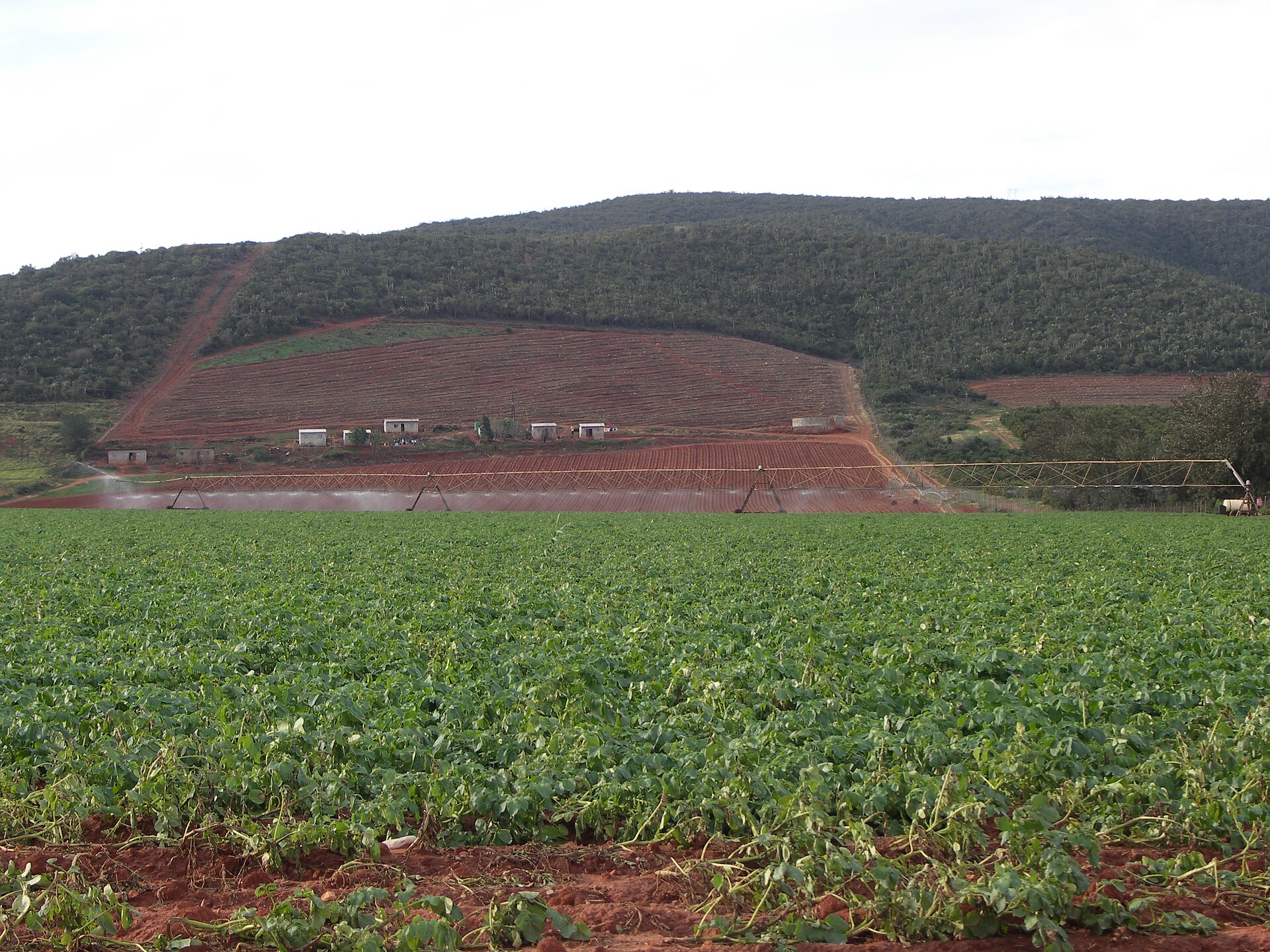
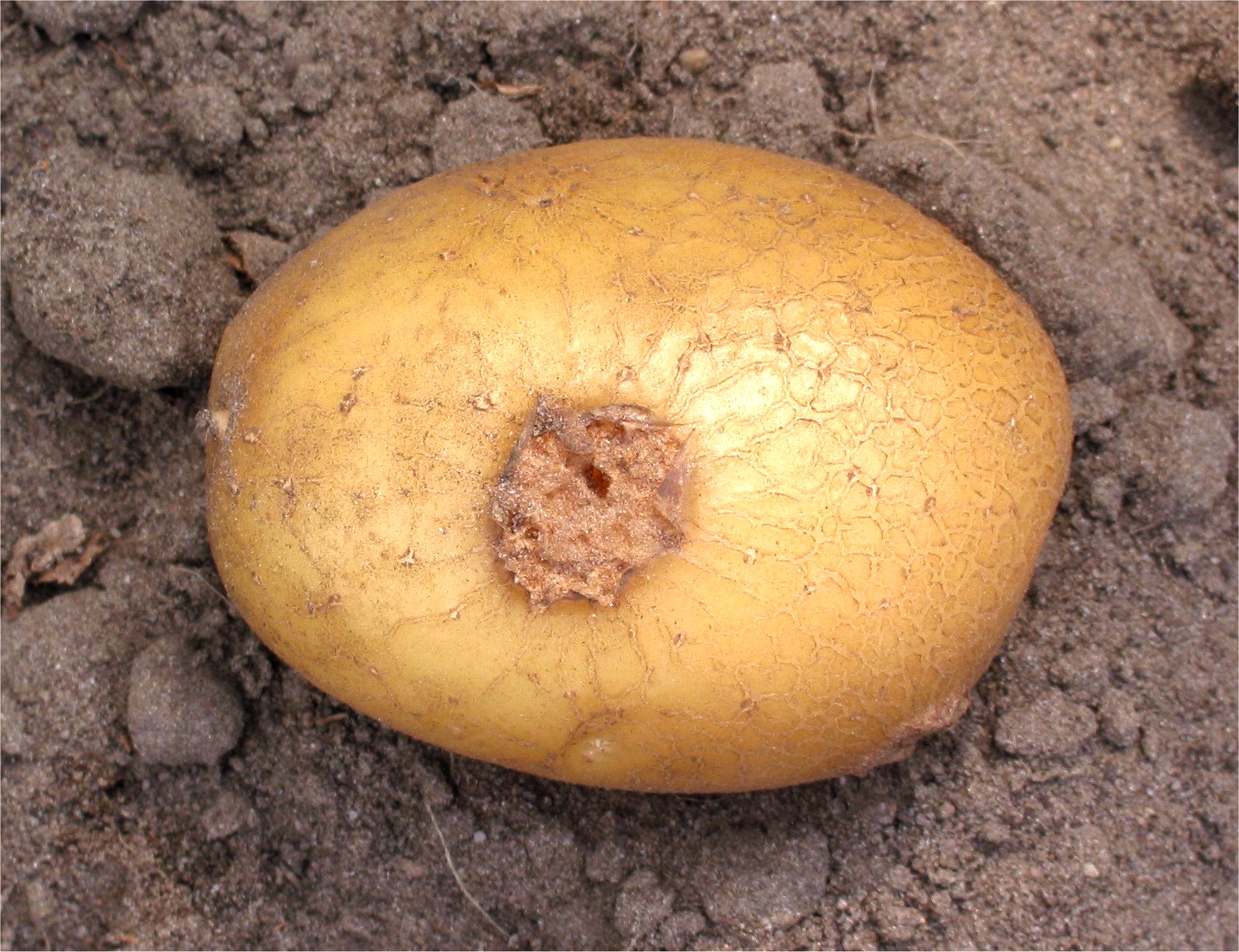
For growers now planting in the Southern hemisphere, the scab decision comes a few weeks after emergence. Irrigation research from the UK and North Dakota shows a short window when moist soil protects young tubers.
Electronic tubers that record every knock on a harvester or grading line give a clear picture of where damage starts. Research from Idaho and Poland shows that drop height and surface type matter most.
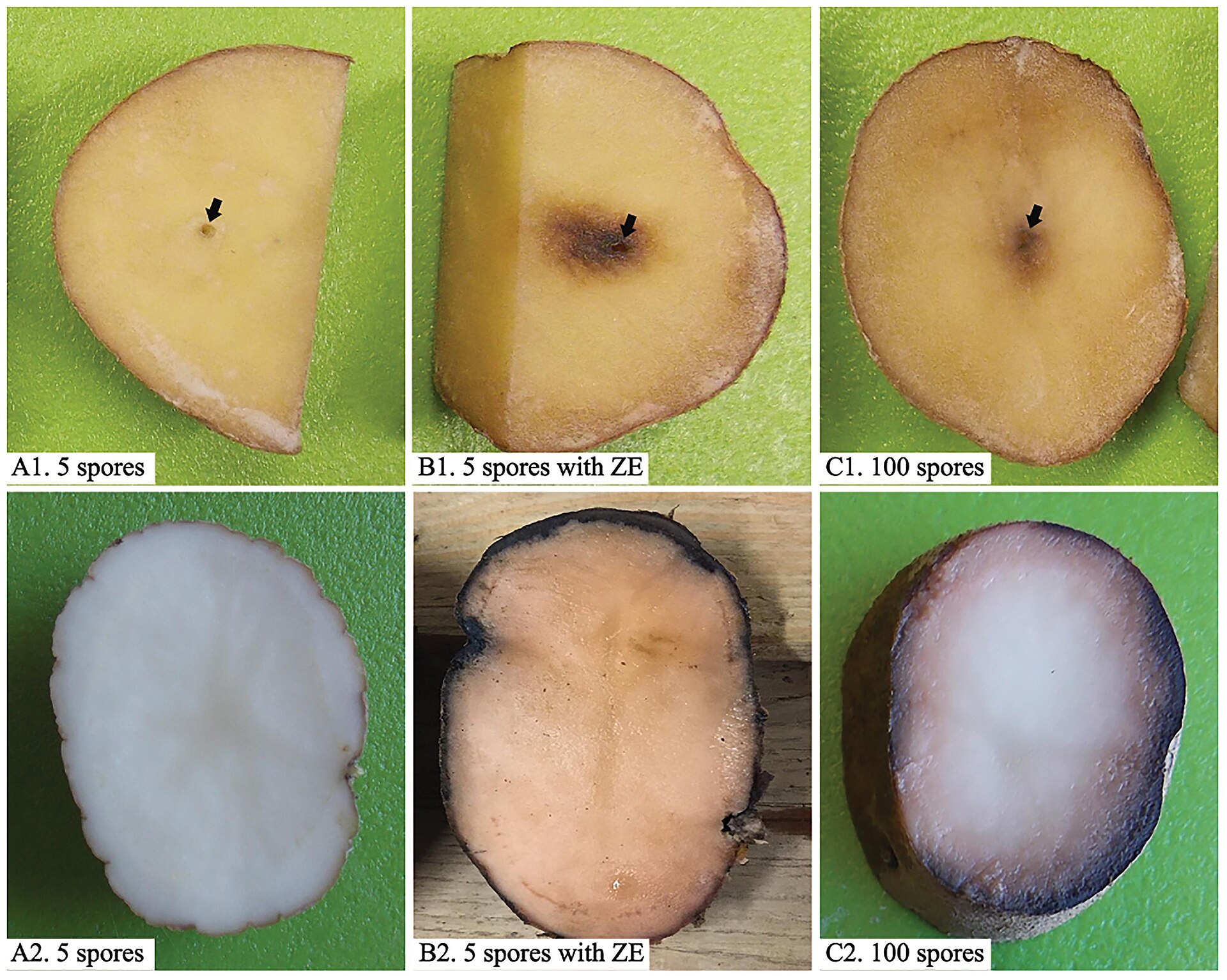
Two water-borne tuber rots can destroy a warm, wet harvest within days. Extension guidance from Maine and California sets the same simple harvest limit: tuber pulp below 65°F, or about 18°C.
Potato growers in Michigan report good yields and chip quality. But supplies of chip potatoes are plentiful, and an industry newsletter expects significant cuts in contract volumes for 2027.
Chile shipped 2 million kilograms of potatoes and potato products abroad in the first eight months of 2026. Seed potatoes made up almost half of the volume, while imports stayed about 37 times larger by value.
Cameroon has built a highland potato crop in the West and North-West regions. Output has grown strongly, but official guidance shows farm yields far below what local varieties can deliver, and seed remains the main bottleneck.
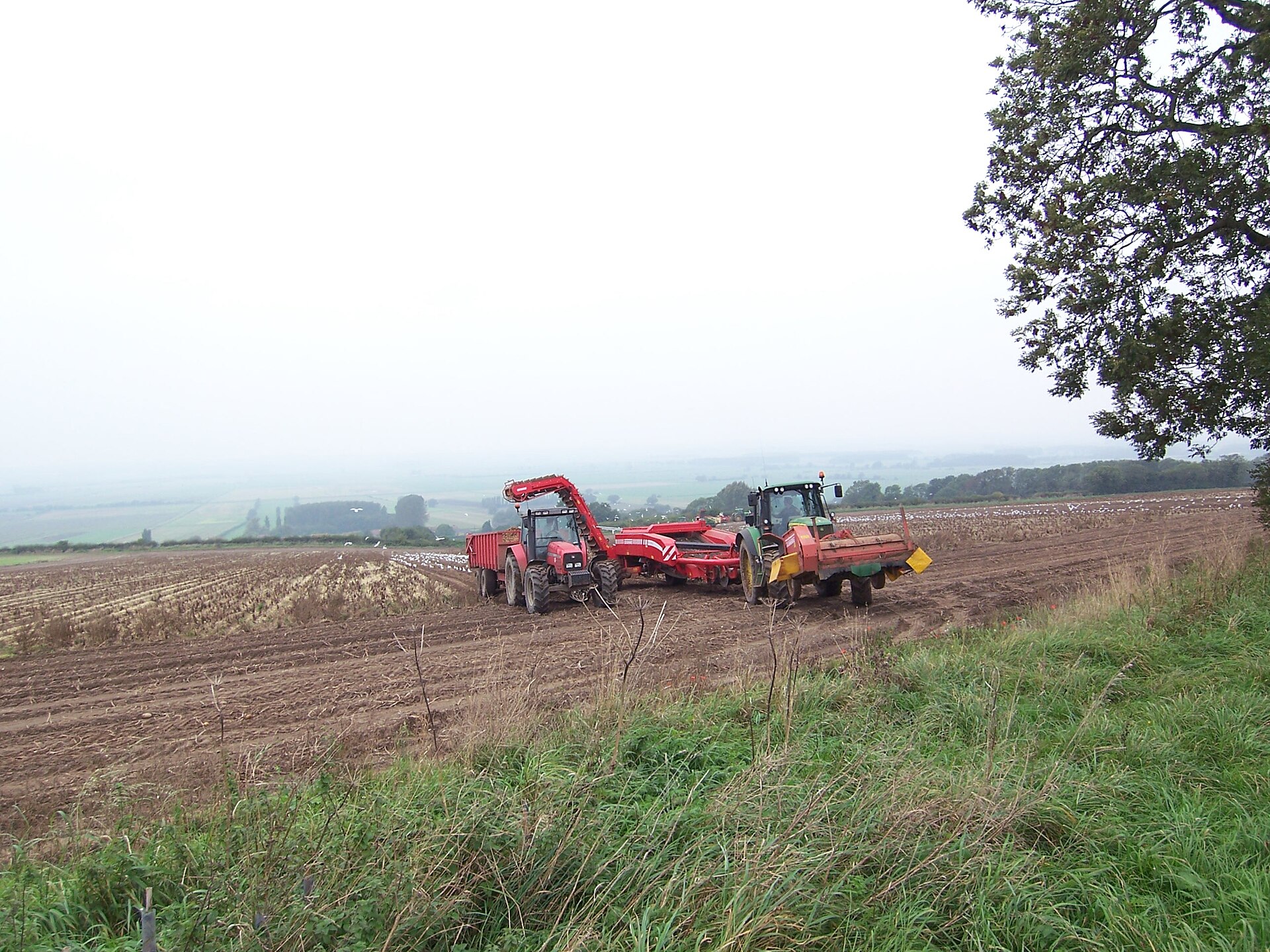
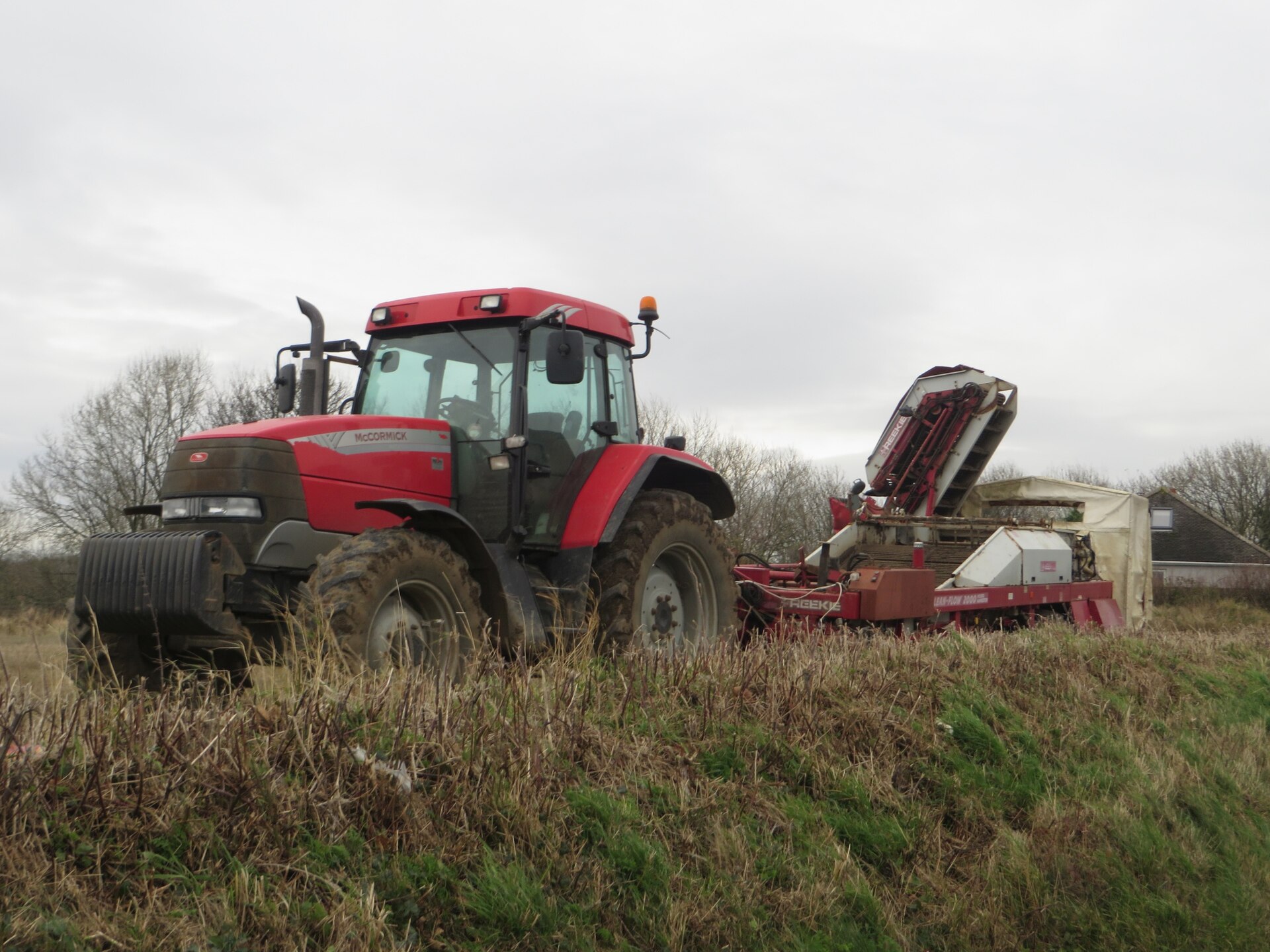
Irish potato growers face higher harvesting costs as the lifting season starts. The farmers association says many now doubt the long-term future of production, while supplies in continental Europe are tight.
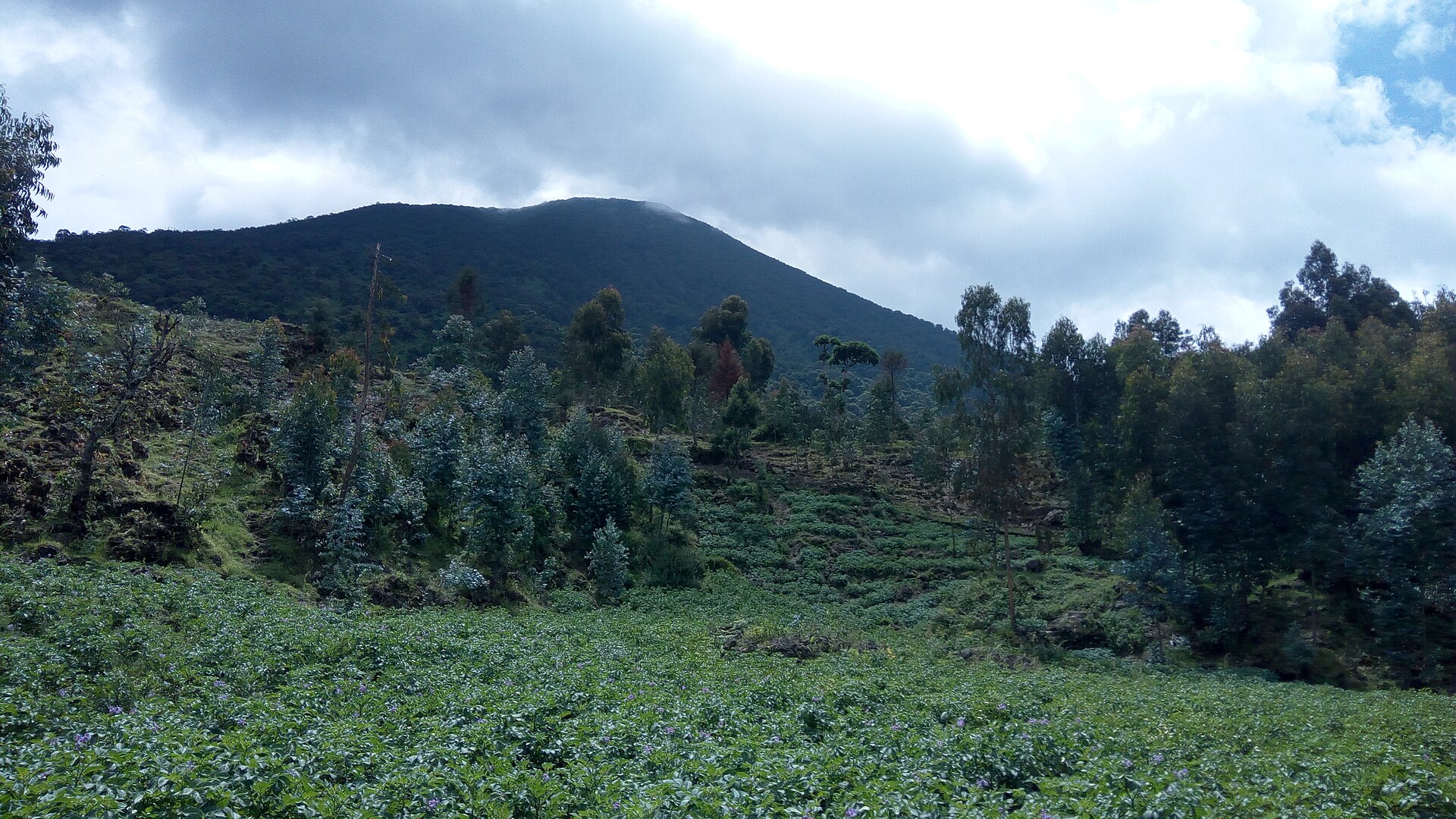
Rwanda harvests potatoes in three seasons a year, mostly in four northern volcanic districts. Output is rising again, but small farms still harvest far less per hectare than large ones.
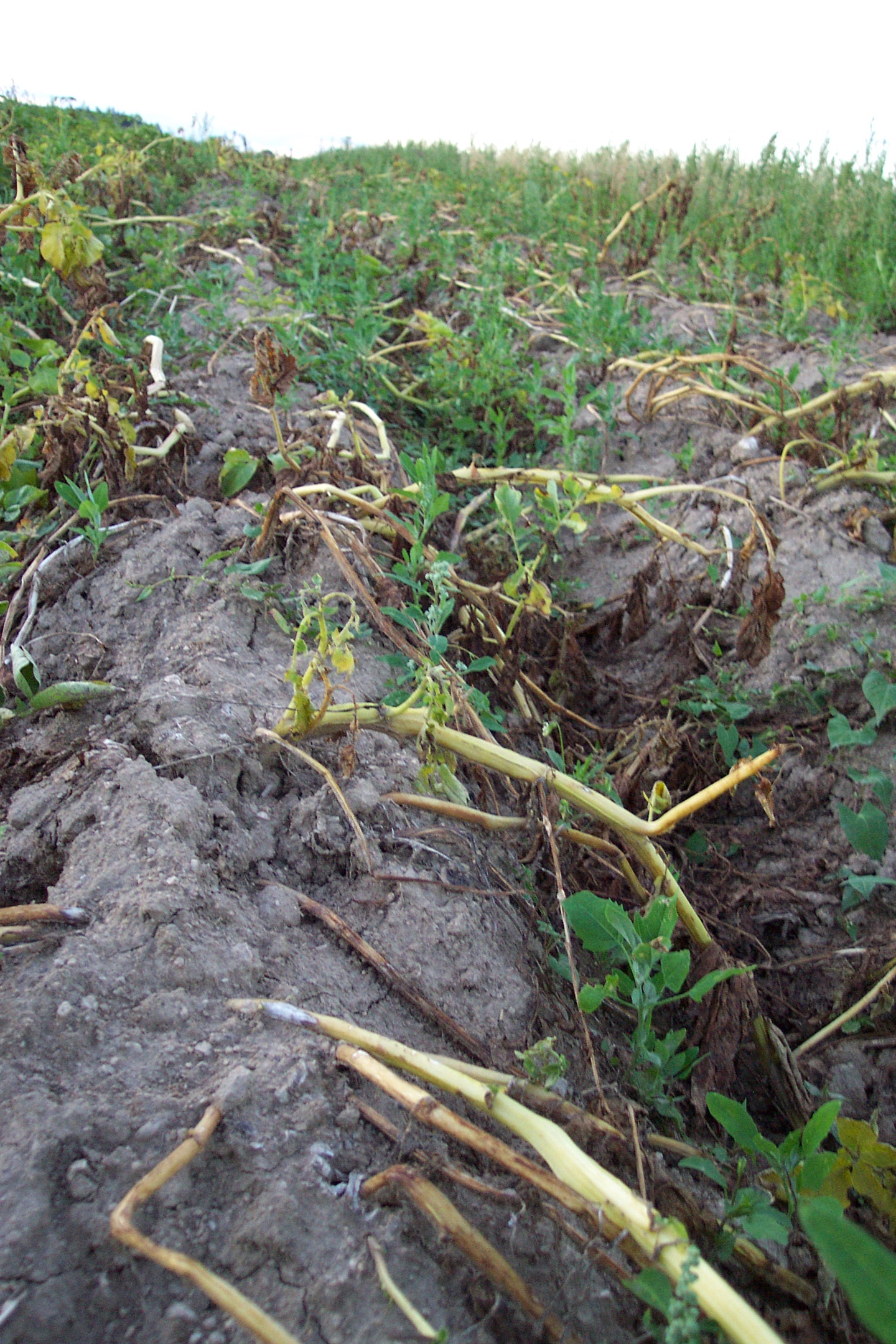
The statistics office expects the smallest Czech potato crop in years after drought and heat. Yields fall from over 30 to about 23 tonnes per hectare, and the main growing region loses about a third.