New Zealand-Bred Crop78 Fry Potato Is Now Grown Under Licence in Australia, North America, Europe and India
Crop78, bred at New Zealand's Bioeconomy Science Institute, is licensed across four regions, with backers citing lower nitrogen needs and longer dormancy.
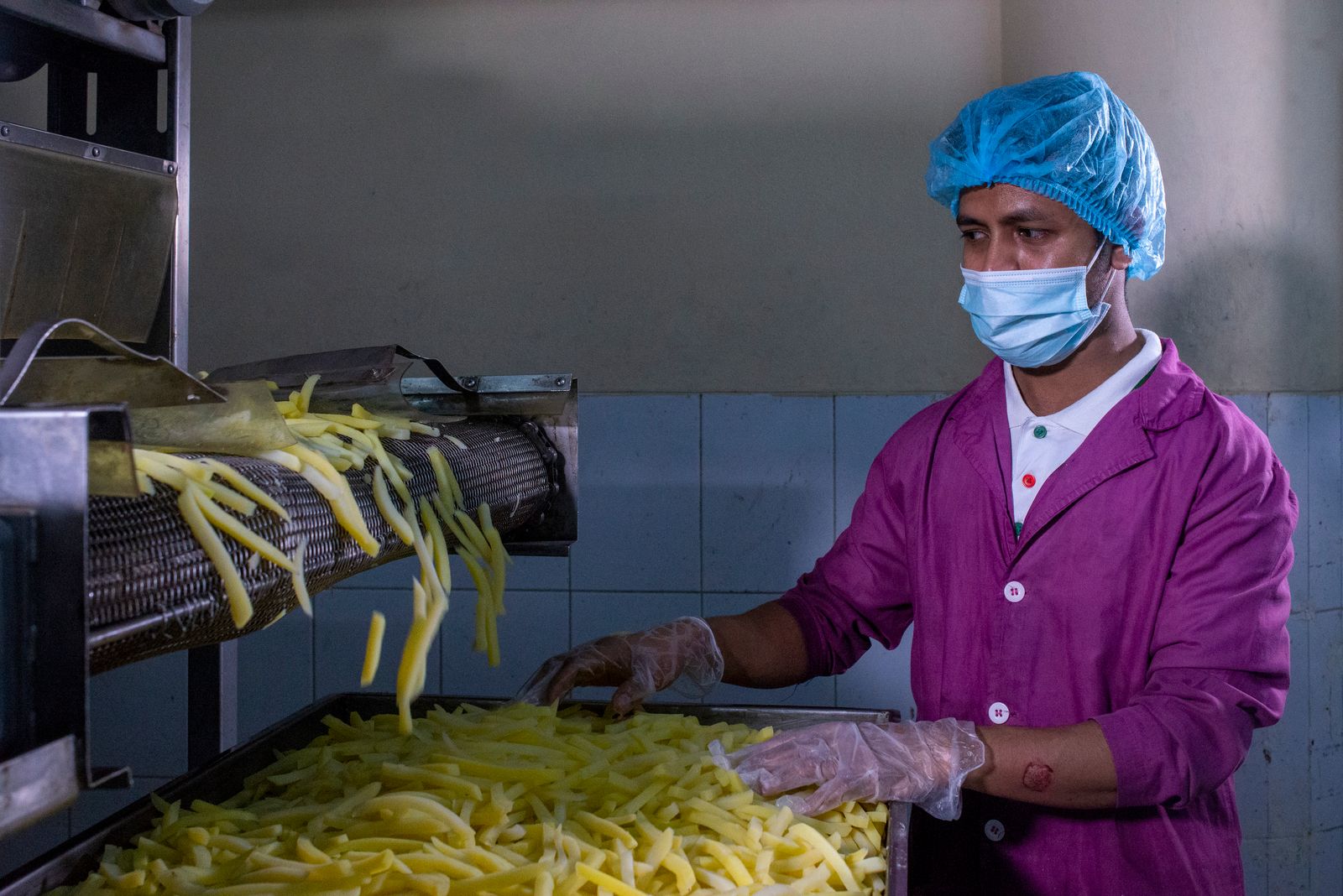
Crop78, a French fry potato bred in New Zealand, is now grown and processed under licence in Australia, North America, Europe and India, according to NZ Gardener and PotatoPro. Its backers at the Bioeconomy Science Institute point to lower nitrogen needs, longer natural dormancy and tolerance of low-temperature storage. The variety shows how a national breeding programme can reach the global processing market through licensing.
A processing variety built on storage traits
The variety was developed at the Bioeconomy Science Institute (BSI). PotatoPro’s report of 2 November, based on NZ Gardener, says the work took about 15 years. A 2025 report based on Farmers Weekly dated the start of the effort to around 2004.
BSI describes strong yields, lower nitrogen inputs than many existing processing potatoes and improved disease tolerance. Its longer natural dormancy can reduce the need for sprout-suppressing chemicals and extend storage. The variety also tolerates low-temperature storage while keeping cooking quality and colour, and its dry matter falls within the range wanted for fries with a crisp outside, a soft inside and a consistent golden colour.
Weekdays. Unsubscribe in one click.
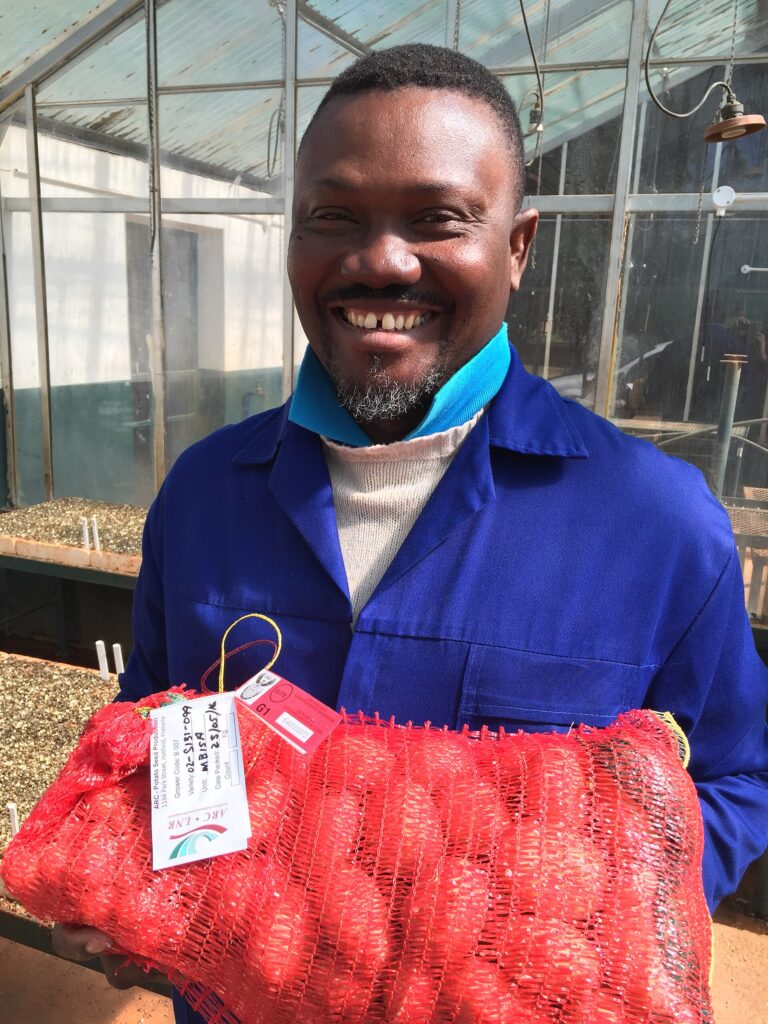
“Each generation involves selecting from thousands of seedlings, with only a few carrying the right mix of characteristics,” said Dr Samantha Baldwin, Science Group Leader of Annual Crops at BSI. Trials run at Pukekohe and Lincoln across multiple years, seasons and environments.
What is known about performance
The most specific agronomic claim comes from the 2025 Farmers Weekly report: growers reported a 36% higher yield with half the standard nitrogen inputs. That is a grower-reported result from New Zealand, not an independent multi-country comparison, and the current reports give no yield data from Australia, North America, Europe or India.
The same 2025 report said Crop78 was used by Balle Brothers’ Mr Chips brand and accounted for about 11% of New Zealand’s French fry supply, with Mr Chips producing 35,000 tonnes of potato products a year for domestic and export markets.
“With more people looking at the environmental impact of crops, Crop78 does stand out,” said Barry Cowen, Business Development Manager of Plant Varieties at BSI.
Licensing as the business model
Royalties from licensing help fund further research and development at BSI. Other varieties from the same programme are licensed to Griffin’s Snacks for crisp production. BSI won the Commercialisation Impact category at the KiwiNet Research Commercialisation Awards, PotatoPro reports. Crop78 is not currently available to home gardeners.
Storage traits are the commercial core of the pitch. In principle, a processor able to hold raw material longer at low temperatures could gain flexibility in scheduling, at a time when processors in markets such as Germany are competing for suitable tubers.
What this means for growers and processors
- Ask for local data. Traits proven in New Zealand may behave differently under other climates, soils and day lengths. Any trial should be local and agreed with your agronomist.
- Calculate the full storage effect. Longer dormancy has value only if it cuts your real sprout-control and energy costs. Compare it against your current storage budget.
- Check licence terms first. Access depends on licensing agreements, so seed availability in a given country is a commercial question to raise with the rights holder.
Sources: PotatoPro / NZ Gardener, 2 November 2026; PotatoPro / Farmers Weekly, 7 October 2025.