Bangladesh Potato Prices Fall to US$0.13–0.14 per kg, Below the Cost of Production
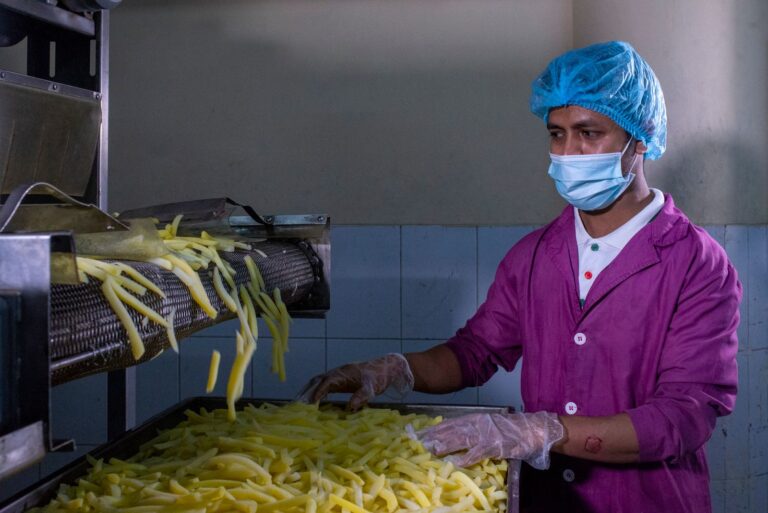
Potato growers in Bangladesh's Rangpur region are selling stored produce at Tk 16-17 (US$0.13-0.14) per kg, below the at-least Tk 26 (US$0.21) combined cultivation and storage cost.

Potato growers in Bangladesh’s Rangpur region are selling stored produce at Tk 16–17 (US$0.13–0.14) per kg while combined cultivation and storage costs have reached at least Tk 26 (US$0.21) per kg, raising concerns about planting decisions for the coming season.
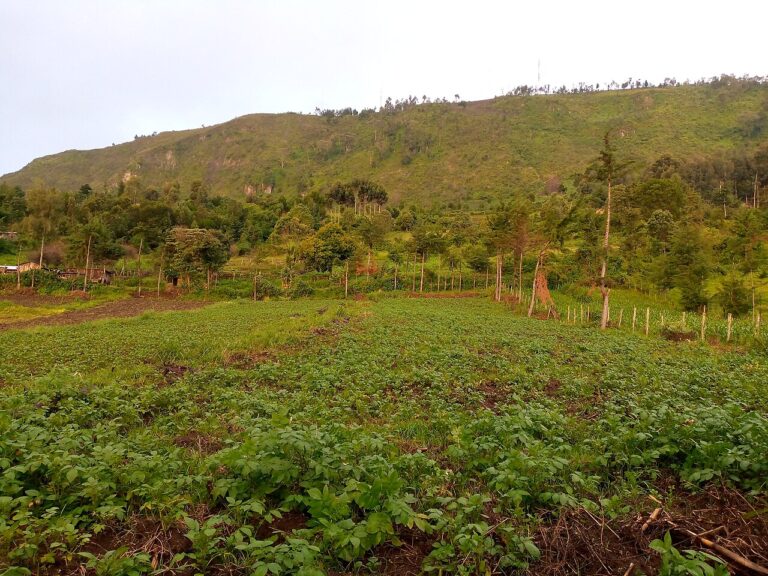
Potato and onion growers in Bangladesh are facing a squeeze of rising cultivation costs and declining farmgate prices, raising concerns about planting decisions for the coming season, FreshPlaza reports.
In Rangpur, the country’s main potato-producing district, approximately 0.22 million tonnes of potatoes remain in 116 cold storage facilities, according to the Bangladesh Cold Storage Association. Storage prices have fallen from Tk 22–24 (US$0.18–0.19) per kg to Tk 16–17 (US$0.13–0.14) per kg within two weeks, while combined cultivation and storage costs have reached at least Tk 26 (US$0.21) per kg, including Tk 7 (US$0.06) in storage charges. Growers report fertiliser and irrigation costs increasing by 10–15 per cent.
Weekdays. Unsubscribe in one click.
The arithmetic is stark: every kilogram sold from storage currently returns roughly Tk 9–10 less than it cost to produce and store. With more than a fifth of a million tonnes still awaiting sale in Rangpur’s cold stores, the overhang threatens to weigh on prices well into the new season — and to discourage planting among growers who entered this campaign with borrowed capital.
Input costs outpace official prices. Part of the cost pressure comes from fertiliser markets where official prices exist only on paper. Diammonium phosphate, a key phosphate fertiliser, costs Tk 1,600–1,800 (US$12.87–14.48) per 50-kg bag, compared with the government-fixed price of Tk 1,050 (US$8.45). Onion growers in Faridpur and Pabna face similar pressures: according to the Department of Agricultural Marketing, onion farmgate prices reached Tk 800–900 (US$6.44–7.24) per maund during April–May, against cultivation costs of Tk 1,500–1,600 (US$12.07–12.87) per maund.
A bigger harvest adds to the surplus. The Department of Agricultural Extension estimates Bangladesh’s onion harvest at 3.141 million tonnes in FY26, compared with 2.99 million tonnes the previous year. Improved storage has already allowed the country to avoid onion imports, but the same abundance now presses on farmgate returns.
Economists call for intervention. Agricultural economist Professor Dr Rashidul Hasan recommended fertiliser and seed subsidies, increased government procurement, and export promotion to address surplus supplies and support growers.
The situation mirrors a wider pattern across South Asia this season: large harvests and full stores are colliding with weak demand growth, leaving smallholders — who typically lack direct market access — as the weakest link.
Cold storage, long promoted as the solution to Bangladesh’s seasonal gluts, is showing its limits when stocks themselves become the problem. Growers who paid Tk 7 per kg to store their crop now face a choice between selling at a loss today or paying further storage fees for a recovery that may not come before the new harvest arrives. For contract-free smallholders without bargaining power, the option set is narrow.
Whether the government moves on procurement and subsidy measures before the next planting window will determine how much area Bangladesh’s growers dare to sow for 2027. A reduced planting would tighten supply a year from now — the classic boom-bust cycle that repeated price crashes have made familiar across the region’s potato belts.
Sources: FreshPlaza, 2 November 2026.